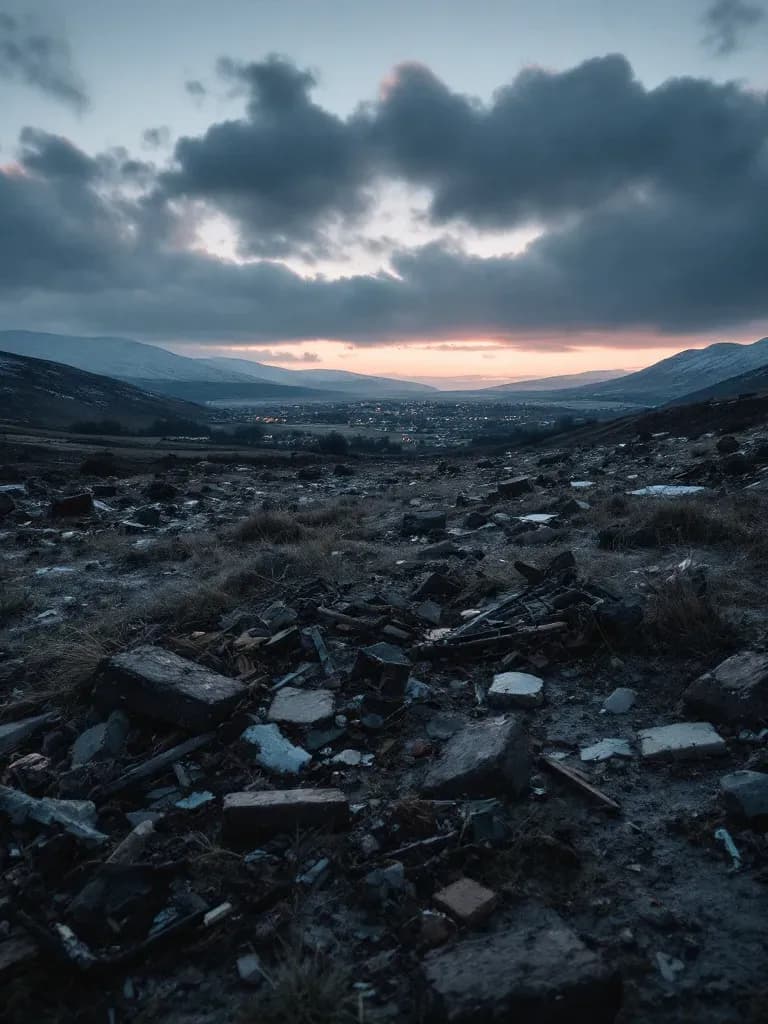
The Shoreham Airshow Crash — aviation disaster and manslaughter trial
Shoreham Airport, England, 2015 — pilot acquitted despite unlawful killing findings
Published June 9, 2026
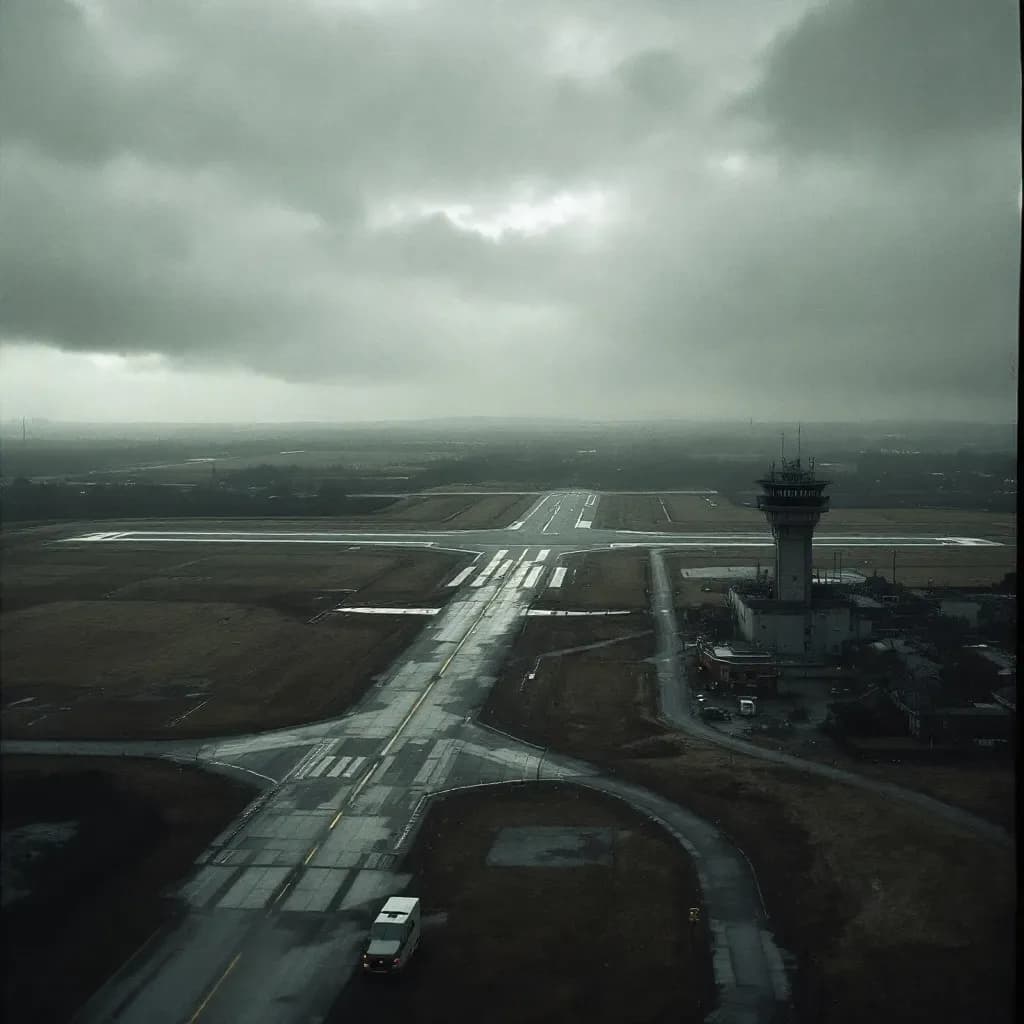
Case Details
Quick Facts
Classification:
The Case
The Shoreham Airshow crash represents one of Britain's deadliest aviation disasters in recent decades, transforming from a tragic accident into a complex legal saga involving manslaughter prosecution and contested findings of unlawful killing. On August 22, 2015, a vintage Hawker Hunter jet performing aerobatic manoeuvres at an airshow plummeted onto a busy dual carriageway, instantly killing 11 innocent motorists and cyclists travelling on the A27 road adjacent to Shoreham Airport in West Sussex, England. The subsequent investigation, criminal trial, and coroner's inquest would span seven years and raise profound questions about pilot responsibility, aviation safety standards, and the threshold for criminal culpability in disaster scenarios.
What distinguished this case from a typical accident investigation was the decision by prosecutors to pursue criminal charges against pilot Andrew James Hill, charging him with 11 counts of manslaughter by gross negligence—a rare step following an aviation incident. The case ultimately produced contradictory outcomes: a jury acquitted Hill of all criminal charges in 2019, yet a coroner later ruled in 2022 that the victims had been unlawfully killed, creating an unusual legal dichotomy that left families seeking accountability without criminal conviction.
The Crime
On a sunny Saturday afternoon during the Shoreham Airshow, experienced pilot Andrew James Hill took to the skies in a restored Hawker Hunter T7, a Cold War-era fighter jet popular at vintage aircraft displays. As spectators watched from the airfield, Hill attempted a loop-the-loop manoeuvre—a dramatic aerobatic move requiring the aircraft to climb vertically, arc backward through the sky, and descend to complete a circular path.
Timeline
Hawker Hunter crashes at Shoreham Airshow
During an air show, pilot Andrew Hill fails to complete a looping manoeuvre in his Hawker Hunter T7 and crashes onto the A27 road next to Shoreham Airport, killing 11 people and injuring 16 others.
AAIB publishes final accident report
The Air Accidents Investigation Branch releases its final report, concluding that the crash was due to pilot error, as Hill failed to recognize that the aircraft was too low to safely complete the loop.
Hill acquitted on all charges
After the trial, Andrew Hill is found not guilty on all 11 counts of manslaughter and the charge of endangering an aircraft, despite the prosecution's arguments of gross negligence.
During the execution of this manoeuvre, something went catastrophically wrong. The Air Accidents Investigation Branch's detailed technical analysis, published in its final report on March 3, 2017, concluded that Hill had failed to recognise the aircraft was flying too low and too slowly to safely complete the loop. Rather than pulling out of the manoeuvre when parameters became unsafe, the Hawker Hunter continued its trajectory until recovery became impossible.
The vintage jet, unable to regain altitude, plunged nose-first toward the ground. It struck the A27 road—a major trunk route carrying weekend traffic—creating a massive fireball that engulfed multiple vehicles. The impact occurred outside the designated airshow display area, meaning the victims were ordinary members of the public going about their daily business, not airshow attendees who had knowingly positioned themselves near aerobatic displays.
Investigators determined that pilot error was the primary cause: Hill had initiated the loop too late in the display sequence and had not maintained sufficient awareness of the aircraft's energy state and proximity to the ground. The crash raised immediate questions about airshow safety protocols, pilot currency requirements, and whether adequate restrictions existed to protect public areas adjacent to display sites.
The Victims
Eleven people lost their lives in the crash, with 16 others sustaining injuries of varying severity. The victims were motorists, motorcyclists, and cyclists who happened to be travelling along the A27 at the moment of impact. They ranged in age and background, united only by tragic circumstance—being in the wrong place at the wrong moment through no action of their own.
Unlike airshow spectators who assume some minimal risk by positioning themselves near aerial displays, these victims had no connection to the event and no opportunity to assess or avoid potential danger. They included families travelling together, individuals commuting alone, and people simply going about weekend errands on a major roadway.
The coroner's findings emphasized this point—that the deaths occurred not within the controlled airshow environment but on public infrastructure where citizens had every right to expect safety from overhead aviation activities. The geographic distinction between where the aircraft should have been performing and where it actually crashed became central to both the moral weight of the case and its legal complexities.
Families of the victims would spend years seeking answers, accountability, and changes to airshow regulations that might prevent future tragedies. Their emotional testimony during both the criminal trial and inquest proceedings highlighted the profound and lasting impact of the disaster on surviving relatives.
Investigation
The Air Accidents Investigation Branch launched an immediate and comprehensive technical investigation. Investigators examined wreckage, analyzed flight data, reviewed video footage captured by numerous airshow spectators, and reconstructed the aircraft's flight path and performance parameters during the fatal manoeuvre.
The AAIB's March 2017 final report established a clear technical narrative: the pilot had failed to initiate the loop manoeuvre at sufficient altitude and had not recognized deteriorating energy state as the aircraft lost speed and height. Critical decision points where Hill could have abandoned the manoeuvre and recovered safely passed without corrective action, suggesting spatial disorientation or inadequate monitoring of flight parameters.
Beyond technical factors, investigators examined Hill's training, currency, and previous performance in the Hawker Hunter. Questions arose about whether he had maintained adequate recent experience in the specific aircraft type and whether his display approval process had been sufficiently rigorous.
The investigation's findings formed the basis for the Crown Prosecution Service's 2018 decision to charge Hill with 11 counts of manslaughter by gross negligence and one count of endangering an aircraft under the Air Navigation Order. Prosecutors would need to prove not merely that Hill made errors, but that those errors constituted such a gross breach of duty that they warranted criminal sanction—a significantly higher threshold than civil negligence.
Trial and Verdict
The criminal trial represented a landmark prosecution, as manslaughter charges following aviation accidents remain exceptionally rare in British legal history. Prosecutors argued that Hill's actions demonstrated gross negligence—that a competent pilot in his position would have recognized the danger and taken corrective action, and that his failure to do so was so egregious it crossed the threshold from mistake into criminal culpability.
The defense countered that aviation accidents, even fatal ones resulting from pilot error, do not automatically constitute crimes. They argued that Hill had made errors of judgment under high-workload conditions but had not demonstrated the recklessness or disregard for safety that criminal law requires.
On March 8, 2019, the jury delivered not guilty verdicts on all 11 manslaughter counts and the aircraft endangerment charge. The acquittal reflected the high burden of proof in criminal cases and the jury's assessment that, while Hill's actions caused the crash, they did not meet the legal definition of gross negligence manslaughter.
The verdict devastated families who had hoped for criminal accountability. However, the legal proceedings were not concluded. Separate inquest proceedings continued, operating under different legal standards. In December 2022, the coroner delivered findings that the victims had been unlawfully killed—a civil determination that the deaths resulted from gross failures but which carried no criminal penalty or conviction.
This split outcome—criminal acquittal alongside civil findings of unlawful killing—highlighted tensions between different legal frameworks for assessing the same events and left unresolved questions about accountability.
Today
The Shoreham Airshow crash fundamentally altered British airshow safety regulations. New restrictions govern where aerobatic manoeuvres can be performed relative to public areas, pilot currency requirements have been strengthened, and display approval processes have been revised.
Andrew Hill, though acquitted, did not return to display flying. The case consumed years of his life and subjected him to intense public scrutiny, even as the jury determined his actions did not warrant criminal conviction.
For victims' families, the dual outcomes of acquittal and unlawful killing findings provided neither complete vindication nor closure. Some have continued advocating for further regulatory reforms and greater accountability mechanisms within aviation.
The case attracted significant media attention, culminating in Fatal Flight: Shoreham, a 2023 documentary examining the crash, investigation, and legal aftermath. The film provided detailed analysis of the technical failures and explored the human dimensions of tragedy and justice.
The Shoreham crash remains a touchstone case in discussions of aviation safety, criminal liability for professional errors, and the protection of the public from inherently hazardous activities. Its complex legacy encompasses both measurable safety improvements and unresolved questions about whether justice was ultimately served for the 11 innocent people who died on the A27 that August afternoon.
Media coverage
TV series
- Fatal Flight: Shoreham(2026)
Ask about this case
Answers from KrimiNyt's coverage onlyFollow this case
Get an email when a new documentary, podcast or book about The Shoreham Airshow Crash — aviation disaster and manslaughter trial appears, or when a verdict is reached.