The Real Wolf of Wall Street
Paramount+, 2026 — the explosive true story behind Jordan Belfort and the Stratton Oakmont fraud
Quick facts
What Is the Series About?
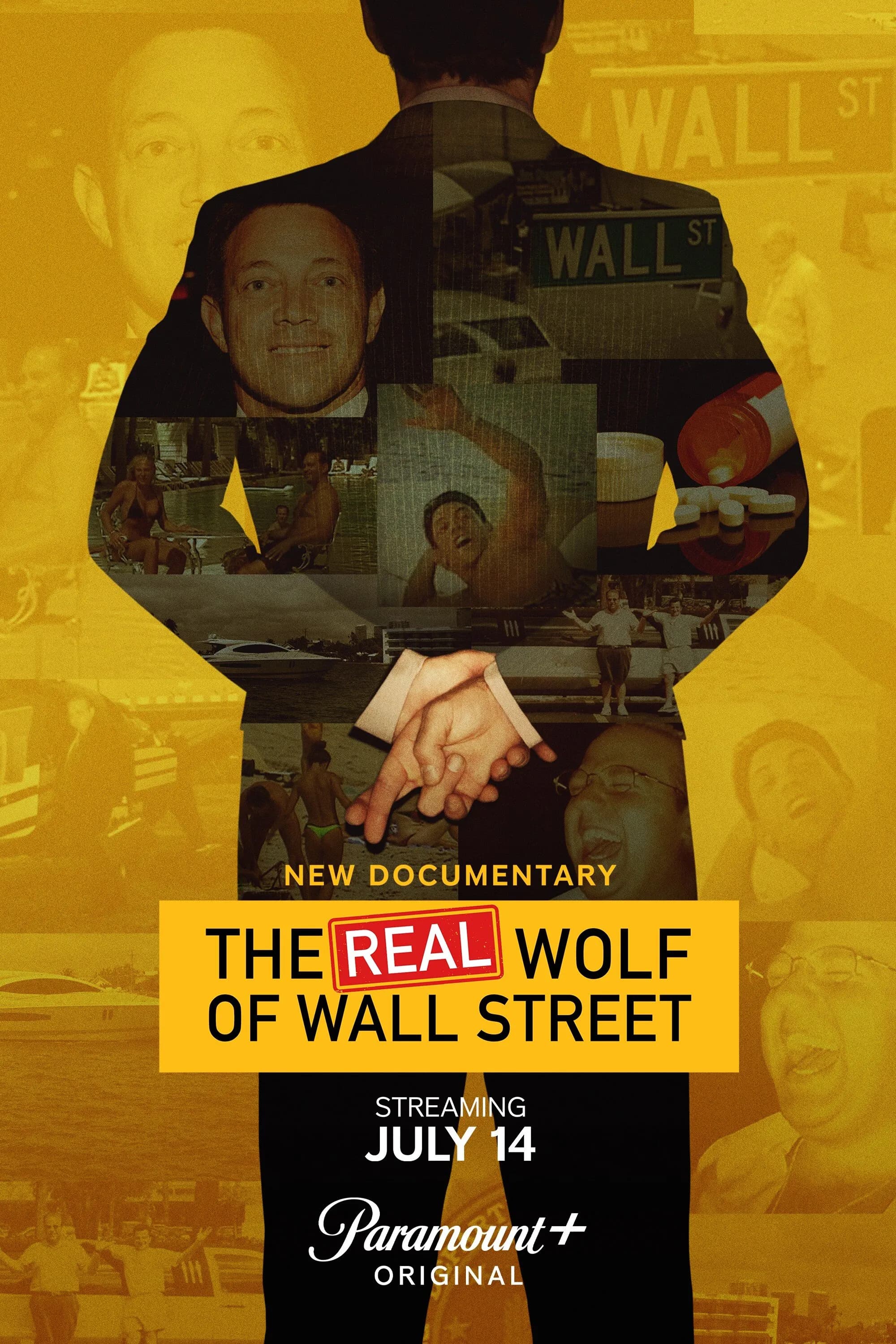
The Real Wolf of Wall Street is a three-part Paramount+ documentary series that tells the "explosive true story" behind Jordan Belfort and his notorious brokerage, Stratton Oakmont. Released on July 14, 2026, and produced by Maxine Productions and See It Now Studios under showrunner Jesse Sweet, the series sets out to cut through the Hollywood mythology created by Martin Scorsese's 2013 blockbuster film and present the raw, documented reality of one of the 1990s' most audacious financial crimes. Early reviewers have called it a "riveting" and "gripping three-hour documentary series" that reveals what the feature film got wrong — or simply chose not to show.
The Case
At the center of the series is Jordan Ross Belfort, a Long Island stockbroker who founded Stratton Oakmont and turned it into a machine for mass investor fraud. Operating primarily out of Long Island, New York, Stratton Oakmont executed a classic pump-and-dump scheme: brokers aggressively cold-called investors to artificially inflate the price of penny stocks in which the firm already held large positions, then sold those positions at the peak, leaving ordinary investors with worthless shares.
The scheme was not small-scale. According to Bloomberg's coverage of the FBI files behind the documentary, the federal investigation into Belfort and Stratton Oakmont was extensive, and the docuseries incorporates previously unreleased FBI documents that shed new light on how investigators built their case. The crimes spanned securities fraud, pump-and-dump stock manipulation, and money laundering — a full financial criminal enterprise operating in plain sight on Long Island throughout the 1990s.
Belfort ultimately pleaded guilty to securities fraud and money laundering. He was sentenced to 22 months in prison — a term widely criticized as lenient given the scale of the fraud. He also agreed to cooperate with federal authorities and became an FBI informant in the early 2000s. He is not currently incarcerated. The series does not shy away from the long-standing controversy over the restitution Belfort has owed to victims: investors who lost money in Stratton Oakmont's schemes have waited decades for full compensation.
The sources available for this series do not identify individual named victims, but describe the harmed parties broadly as the thousands of investors who were defrauded through Stratton Oakmont's brokerage operations.
Production
The series was produced by Maxine Productions and See It Now Studios, with Jesse Sweet serving as showrunner. No director has been publicly identified in available sources at the time of publication.
What distinguishes The Real Wolf of Wall Street from previous coverage of the Belfort case — including the Scorsese film — is its access to primary materials. As Collider and other outlets report, the series features new interviews with insiders and investigators alongside the previously unreleased FBI documents cited by Bloomberg. This combination of archival law-enforcement material and fresh testimony from people close to the case gives the documentary a texture that dramatizations inherently cannot replicate.
The official trailer on YouTube and platform materials position the series as a direct corrective to the popular image of Belfort — emphasizing the real damage done to real investors rather than the excess and spectacle that defined the 2013 film's cultural footprint. A second trailer and additional promotional material are also available via Paramount+'s YouTube channel.
Reception
Early reception has been strongly positive. Decider's review, published on the premiere date of July 14, 2026, describes the series as riveting, and broader coverage echoes that assessment — calling it a gripping piece of documentary filmmaking that takes seriously the human cost of the Stratton Oakmont fraud.
The series' central selling point — that it exposes what the Scorsese film "got wrong" or deliberately omitted — has proven effective as a marketing hook and appears to resonate with viewers who felt the 2013 film turned a fraudster into a folk hero. Screen Rant and other entertainment outlets flagged this framing early in the docuseries' promotional cycle, and it remains a defining element of how audiences are engaging with the material.
An IMDb rating for the series has not been confirmed in available sources at publication time. The IMDb page most associated with the Belfort story in search results remains that of the 2013 fiction film, not the docuseries.
The primary controversy surrounding the series is not about the documentary itself but about the long-running cultural dispute over the glamorization of Jordan Belfort — a debate the series explicitly enters and attempts to resolve by centering the victims and the investigators rather than the perpetrator's self-mythologizing memoir and its Hollywood adaptation.
The Case Today
Jordan Belfort is not in prison. Since serving his 22-month sentence and completing his cooperation with federal authorities, he has reinvented himself as a motivational speaker and author, charging significant fees for appearances — a trajectory that has itself been a source of ongoing controversy, particularly among those who lost money in the Stratton Oakmont schemes.
The release of The Real Wolf of Wall Street in July 2026 has reignited public debate about whether Belfort's sentence adequately reflected the scale of his crimes, whether victims have been made whole, and whether popular culture — from the Scorsese film to Belfort's own media appearances — has done more to rehabilitate his image than the justice system did to hold him accountable. With previously unreleased FBI documents now in the public domain through the documentary, the historical record of the case becomes more complete — and more damning.