The Idaho College Murders
Amazon Prime / HBO Max, 2023 — the stabbing murders of four University of Idaho students
What Is the Series About?
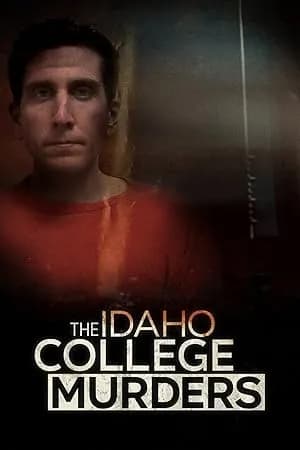
The Idaho College Murders is a 2023 documentary TV special that examines one of the most high-profile criminal cases in recent American history: the stabbing deaths of four University of Idaho students in the small college town of Moscow, Idaho, in November 2022. Running just 43 minutes, the special is listed on IMDb with the title ID tt26849851 and carries a viewer rating of 5.7/10 — reflecting the divisive public reaction to the wave of true-crime content that followed this case. The documentary arrived while criminal proceedings against the identified suspect, Bryan Kohberger, were still in their early stages, making it one of the first major documentary treatments of a case that would not reach legal resolution until mid-2025.
The Case
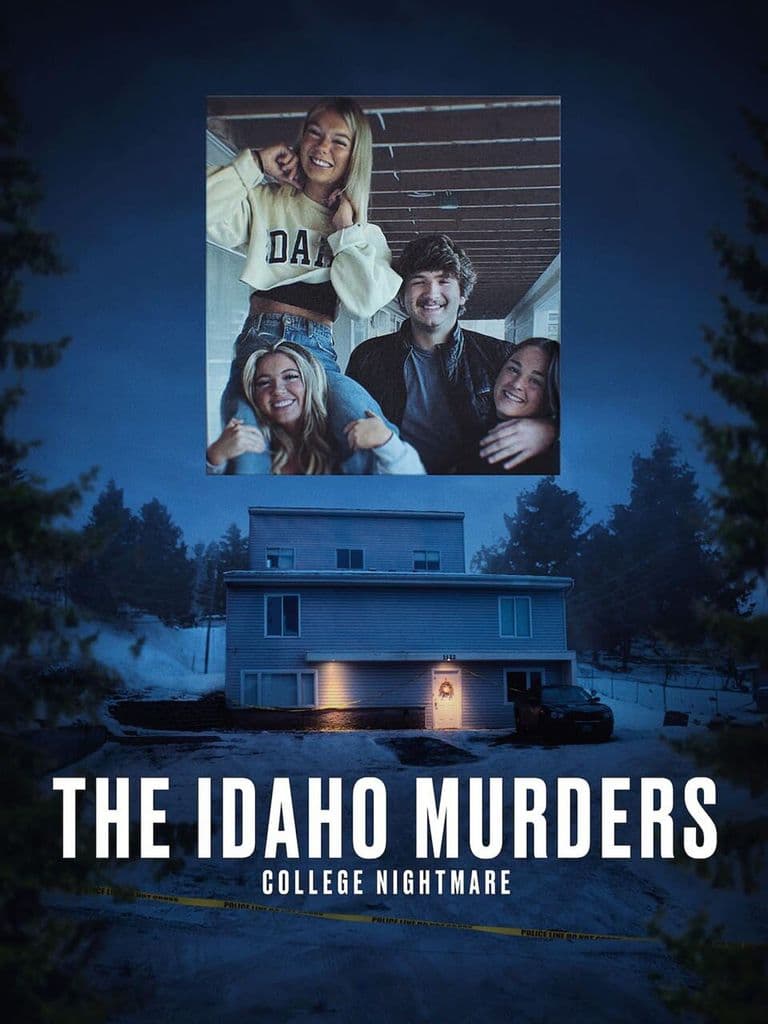
In the early morning hours of November 13, 2022, four University of Idaho students were stabbed to death inside an off-campus rental home on King Road in Moscow, Idaho. The victims were Madison Mogen, 21; Kaylee Goncalves, 21; Xana Kernodle, 20; and Ethan Chapin, 20 — all young people in the middle of their college years. Two other roommates were present in the house at the time but were not harmed.
The killings sent shockwaves through the university community and quickly attracted national media attention. For weeks after the murders, law enforcement released limited details about suspects, fueling intense online speculation across social media platforms and true-crime forums. The vacuum of official information led to the spread of unverified theories and, in some cases, the wrongful targeting of innocent individuals.
On December 30, 2022, authorities arrested Bryan Kohberger, a 30-year-old graduate student in the criminology department at nearby Washington State University in Pullman, Washington. Kohberger was charged with four counts of first-degree murder. His background in criminology — the academic study of crime — was widely noted in press coverage and added a particularly unsettling dimension to public discussion of the case.
The criminal proceedings stretched across more than two years, drawing sustained national interest. Then, on July 2, 2025, Kohberger entered a guilty plea, accepting a deal that removed the death penalty as a possible punishment. According to Time, he is expected to receive four consecutive life sentences, with a formal sentencing hearing scheduled for July 23, 2025.
Production
The director of the 2023 special has not been confirmed in available public records. The documentary was produced as a single-episode TV special, with a runtime of 43 minutes — a format common to early-stage true-crime coverage that aims to provide context and background while a case is still developing legally.
It is worth noting that The Idaho College Murders (2023) is one of several documentary productions made about this case across different platforms. Related titles include One Night in Idaho: The College Murders on Prime Video and *The Idaho Student Murders* on Peacock, the latter of which premiered almost immediately after Kohberger's guilty plea in July 2025. The proliferation of documentary treatments across competing streaming services reflects the enormous sustained public appetite for coverage of the Moscow murders.
The 2023 special drew on publicly available investigative reporting, court documents, and media interviews conducted in the months following the killings. Given the strict legal constraints surrounding the Kohberger proceedings — including a gag order that limited what attorneys and investigators could say publicly — early documentaries like this one were necessarily limited in the exclusive access they could obtain from law enforcement or the legal teams involved.
Reception
The documentary holds an IMDb rating of 5.7 out of 10, reflecting a mixed but not hostile response from viewers. Criticism has generally centered on the broader phenomenon of rapid-turnaround true-crime documentaries that arrive before a case is resolved — a format that some viewers and critics find exploitative, particularly when victims' families are still in the midst of grief and legal uncertainty.
The Moscow murder case was unusual in how intensely it was followed online even before any arrest was made. Reddit threads, TikTok videos, and true-crime podcasts generated enormous volumes of speculation, some of which named or implied the guilt of individuals who had no involvement in the crime. Documentaries produced during this period inevitably engaged with — and in some critics' view, amplified — that culture of online speculation.
BGR's coverage of the later Peacock documentary noted the ongoing controversy around the timing of true-crime releases tied to this case, with Kohberger's guilty plea in 2025 triggering yet another wave of documentary content across streaming platforms. The 2023 special, arriving before the legal process had run its course, was part of the first wave of that coverage and shares in the broader critical debate about the ethics of the genre.
The Case Today
As of the summer of 2025, the Idaho college murders case has reached its legal conclusion through a plea agreement rather than a jury trial. Bryan Kohberger's guilty plea on July 2, 2025, meant that the families of Madison Mogen, Kaylee Goncalves, Xana Kernodle, and Ethan Chapin were spared a lengthy and potentially retraumatizing public trial — though reactions from families and the public to the plea deal were varied.
Kohberger is expected to spend the rest of his life in prison. Four consecutive life sentences, if imposed as anticipated, would mean no possibility of parole. The formal sentencing was scheduled for July 23, 2025.
The resolution of the case has not slowed the production of documentary content. If anything, the guilty plea renewed interest and gave filmmakers a definitive legal endpoint around which to structure narratives. For viewers returning to the 2023 special with knowledge of how the case ended, it serves as a historical document of the investigation in its early, unresolved phase — a snapshot of a nation gripped by a crime whose perpetrator had not yet been formally judged.