A Killer Story
HBO Max, 2026 — Three-part docuseries on the 2002 Kansas double murder tied to Dana Chandler
Quick facts
What Is the Series About?
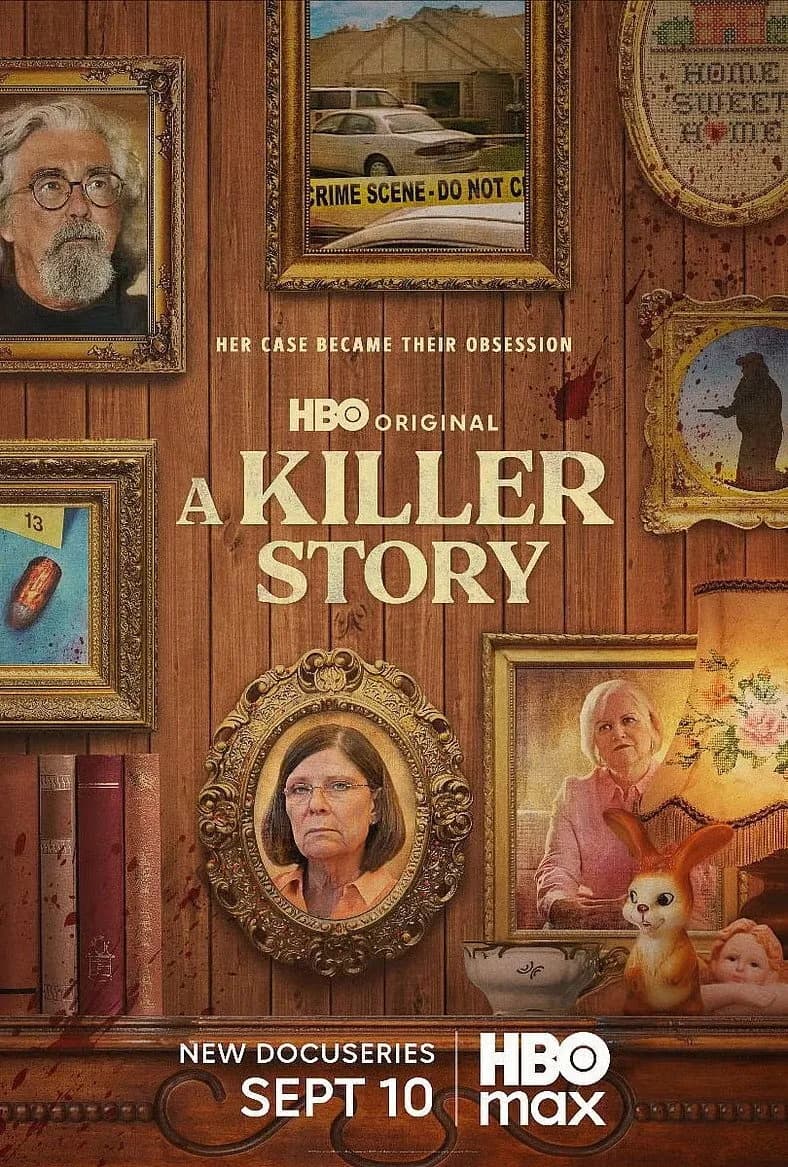
A Killer Story is a three-part HBO documentary series that examines one of Kansas's most contentious and drawn-out criminal cases: the 2002 double homicide of Mike Sisco and Karen Harkness in Topeka, Kansas, and the subsequent prosecution of Dana Chandler, Sisco's ex-wife. Premiering on September 10, 2026, the series is directed and executive produced by Matthew Galkin and streams on HBO and HBO Max.
At its core, the series is a reexamination — not a straightforward retelling. Through the lens of investigative journalist Joe Sexton, who spent six years revisiting the evidence, the series asks a question that early coverage suggests may be unanswerable: was Dana Chandler truly guilty, or did a combination of confirmation bias, prosecutorial misconduct, and family conflict produce a conviction built on sand?
The Case
In 2002, residents of Topeka, Kansas were shaken by the brutal double murder of Mike Sisco and his girlfriend Karen Harkness. Suspicion quickly turned to Dana Chandler, Sisco's ex-wife, whose relationship with her former husband had been marked by conflict. According to People magazine and other outlets, the case became one of the most disputed in Kansas legal history, eventually resulting in three separate trials spanning more than two decades.
What made — and continues to make — the Chandler case so polarizing is the nature of the evidence against her, or rather, the lack of conventional forensic proof. Prosecutors built their case on circumstantial evidence, witness accounts, and narratives about motive, particularly the bitter dissolution of the Chandler-Sisco marriage. Critics of the conviction have pointed to what they describe as confirmation bias on the part of investigators and potential prosecutorial misconduct, allegations that the series appears to take seriously rather than dismiss.
Dana Chandler was ultimately convicted in the case. While the precise sentence length has not been fully confirmed in available public sources at the time of publication, her conviction stands as the legal conclusion to a process that was anything but swift or clean. Rotten Tomatoes' episode guide for the series underscores just how long and winding the road to that verdict was.
The Investigation Inside the Documentary
The structural spine of A Killer Story is journalist Joe Sexton's six-year reinvestigation of the case. Sexton approaches the material not as an advocate for either side but as a reporter attempting to reconstruct what actually happened in Topeka in 2002. His work is complicated and enriched by the involvement of two citizen sleuths whose scrutiny of the original investigation helped surface new questions about the handling of the case.
As Dread Central noted in its coverage of the series trailer, the documentary frames its central question starkly: this may be a case where the full truth is never known. That framing sets A Killer Story apart from many true-crime productions that arrive at confident conclusions. Instead, it sits with ambiguity — a choice that will satisfy some viewers and frustrate others.
The series examines the absence of traditional forensic evidence, the weight that non-forensic factors carried in the courtroom, and the way competing family narratives shaped public perception of Chandler's guilt or innocence long before any verdict was reached.
Production
Director and executive producer Matthew Galkin brings a documentarian's eye to material that is deeply local in origin but nationally resonant in its implications about how the American criminal justice system handles cases built on emotion, inference, and contested memory. Galkin's collaboration with Joe Sexton appears central to the series' structure, with Sexton's reporting providing the investigative architecture on which the documentary's three episodes are built.
The production spans six years of active reporting and reinvestigation, giving A Killer Story a depth of sourcing that distinguishes it from docuseries assembled in the immediate aftermath of a case's resolution. According to Vanity Fair's coverage, the series has attracted significant attention ahead of its premiere for the seriousness with which it treats the case's evidentiary gaps.
Reception
At the time of publication, A Killer Story has not yet premiered, with its debut set for September 10, 2026. Pre-release coverage across outlets including People, Vanity Fair, BroadwayWorld, and Dread Central has been largely intrigued in tone, with critics and journalists emphasizing the series' willingness to sit with uncertainty rather than manufacture resolution. TV Insider has listed the series among anticipated HBO titles for the fall 2026 season.
No IMDb audience rating is verified at this stage. The series holds an IMDb title page under ID tt9280400, but no score is available prior to premiere.
No major controversies specific to the production itself have emerged in pre-release coverage, though the underlying case remains deeply controversial given its three-trial history and the persistent questions about evidence quality.
The Case Today
Dana Chandler's conviction represents the legal endpoint of a case that began in 2002 and wound through the Kansas court system for more than two decades. The questions raised by A Killer Story — about forensic evidence, prosecutorial conduct, and the reliability of non-physical evidence in serious criminal cases — are not unique to Topeka. They resonate with ongoing national debates about wrongful convictions and the standards required before a jury sends someone to prison.
Whether the series prompts any formal legal review of the Chandler case remains to be seen. What is clear is that when A Killer Story premieres on HBO Max in September 2026, it will place a decades-old Kansas double murder at the center of a national conversation about truth, evidence, and the limits of what any criminal trial can actually establish.