Scam Factory
•March 1, 2026
Scam Factory: Inside Southeast Asia's Forced Fraud Compounds
A Wondery podcast exposes how traffickers force hundreds of thousands into online scamming operations across Myanmar, Laos, and Cambodia
Wondery's "Scam Factory" podcast, hosted by Denise Chan, documents one of the internet age's most disturbing criminal enterprises: Southeast Asian fraud compounds where hundreds of thousands of trafficked victims are forced to perpetrate global online scams.
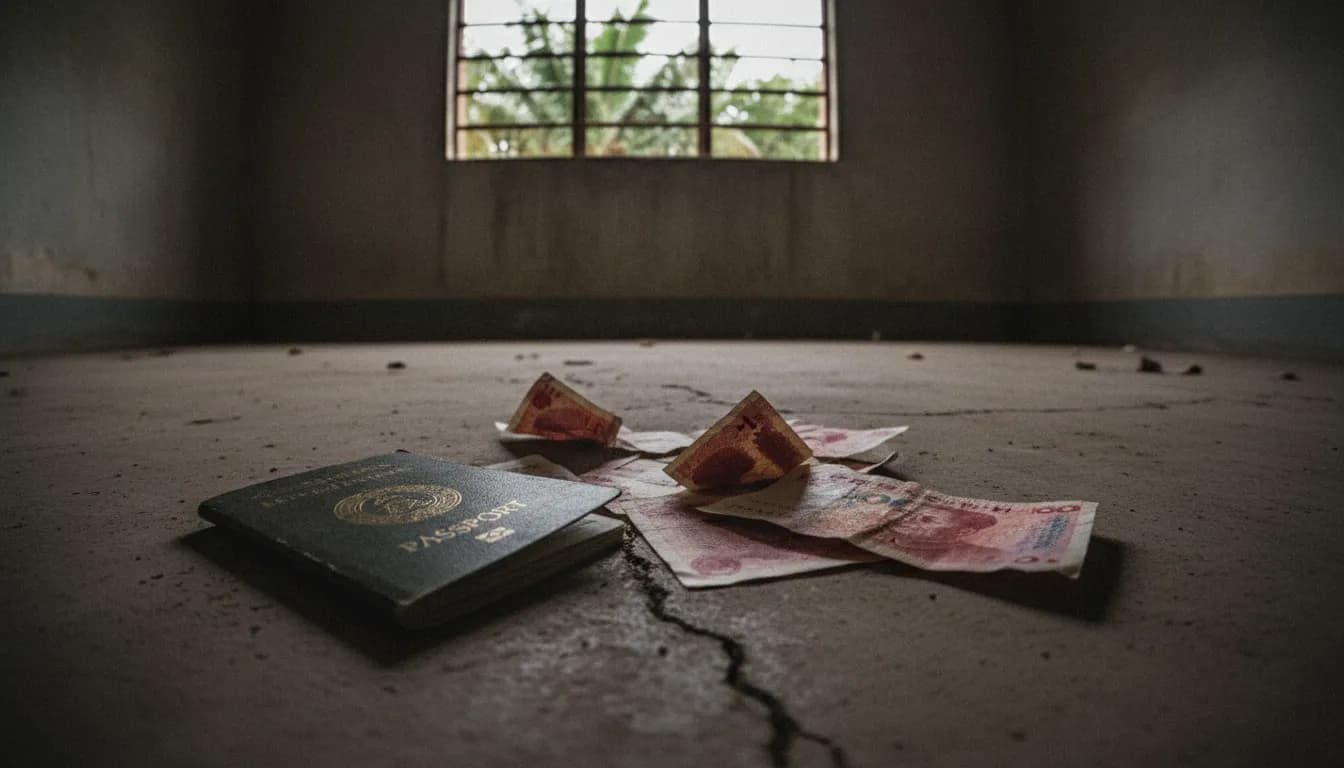
The podcast centers on what investigators call "scam factories"—fortified compounds and micro-cities primarily located in Myanmar, Laos, Cambodia, and Thailand. These operations function as specialized criminal organizations, often owned by Chinese-speaking landlords who rent facilities to trafficking syndicates. Inside, workers with confiscated passports face impossible quotas and armed guards authorized to use lethal force against escapees.
Victims arrive through deception. Traffickers recruit via fake job advertisements promising legitimate work in customer service, IT, or programming—positions targeting individuals with technical skills and language abilities. Interviews lend false credibility to the schemes. Once isolated in compounds, victims discover their real assignment: impersonating bank officials, romance scammers, and investment fraudsters in multi-language operations that target people across more than 100 countries.
The podcast features real survivors. Max, a Filipino man, traveled to Thailand for a supposed casino job before being transported to a Myanmar jungle compound. Trapped for months, he was forced to execute phone scams globally while meeting daily quotas. His sister Charlie made an extraordinary decision: she infiltrated the same syndicate, posing as a recruiter to trick new victims into the factory, hoping to locate and rescue her brother. Her dual role—both infiltrator and forced participant—illustrates the moral complexity victims face when attempting escape.
George, another survivor, spent months locked in a Southeast Asian compound planning daily escape attempts. Like many detainees, he eventually negotiated a financial settlement to secure his release—a tacit acknowledgment by traffickers that escapees' families sometimes pay ransoms rather than risk violent retaliation.
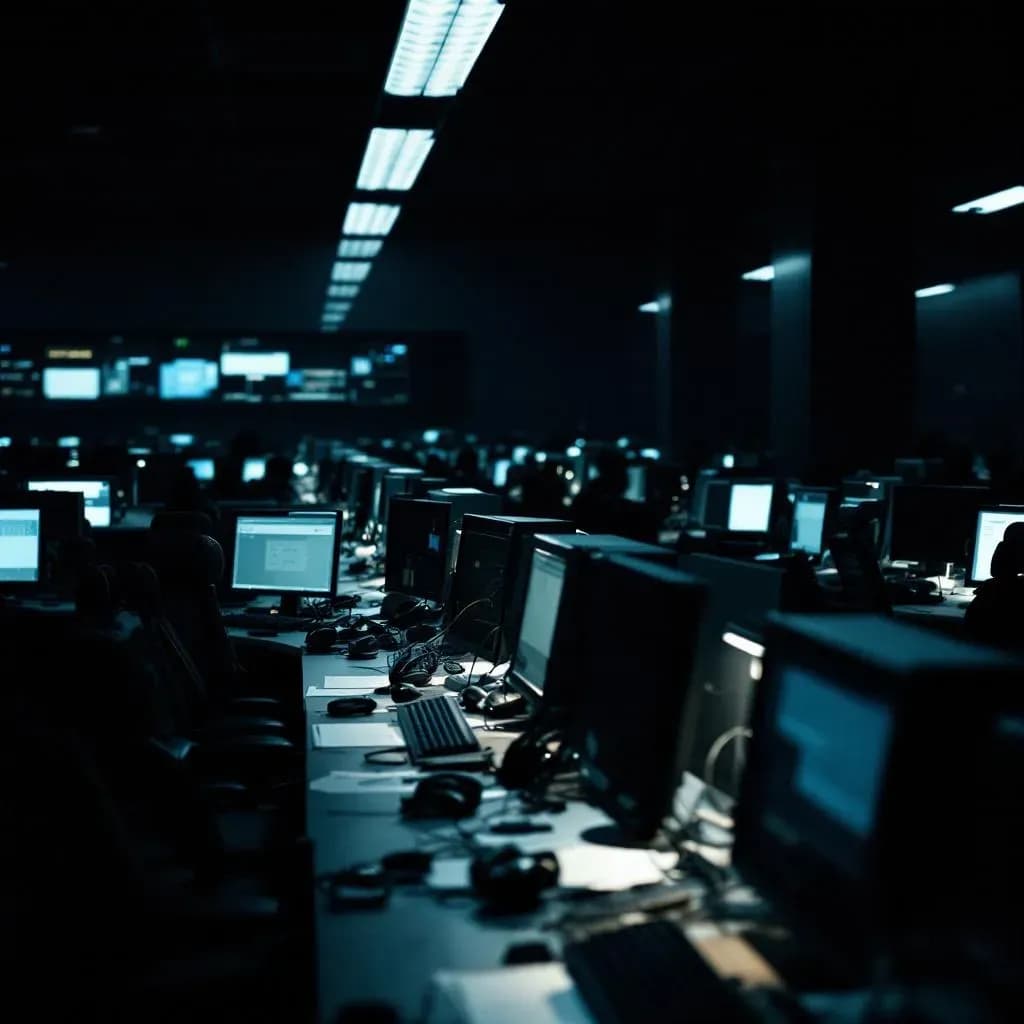
These compounds operate with corporate infrastructure. Some include HR and finance departments, processing hundreds of workers simultaneously. The scale is staggering: estimates suggest hundreds of thousands of workers from over 100 countries have been trafficked through these facilities. Yet victims' forced participation in criminal activity complicates their legal status. Law enforcement agencies often treat them as perpetrators rather than trafficking victims, creating barriers to reporting and rescue.
Police interventions occasionally succeed. Some victims have been transferred to holding stations in Cambodia's capital, Phnom Penh, following raids on compounds. However, systematic dismantling remains elusive. A 2025 CSIS analysis notes that these operations continue evolving, becoming more specialized and sophisticated, while posing growing national security threats to countries worldwide.
Chan's investigation moves beyond sensationalism, centering survivor voices and documenting the criminal infrastructure enabling forced fraud. The podcast examines how digital commerce, weak border enforcement, and demand for sophisticated scammers create conditions for these operations to flourish.
"Scam Factory" won recognition as part of related investigations, with a 2025 series titled "Scam Factories" (aired on The Conversation Weekly in February 2025) earning Best Investigative Podcast at the Publisher Podcast Awards in June 2025.
The podcast serves as a rare public window into an underground economy that intersects human trafficking, cybercrime, and international law enforcement failure. By amplifying survivor accounts, it challenges the invisibility that allows these compounds to operate with relative impunity across Southeast Asia's porous borders.
Sources
https://www.csis.org/analysis/cyber-scamming-goes-global-sourcing-forced-labor-fraud-factories
https://podcasts.apple.com/us/podcast/scam-factories-ep-1-no-skills-required/id1114423002?i=1000712583388
https://podcasts.apple.com/us/podcast/scam-factory/id1790944324
https://www.youtube.com/watch?v=p4ZtAwmLo68
https://www.youtube.com/watch?v=lOq5eRNHQUE
Get an email when a new episode of Scam Factory: Inside Southeast Asia's Forced Fraud Compounds is released.
Get an email when a new documentary, podcast or book about Bernie Madoff Ponzi Scheme — Largest Financial Fraud in History appears, or when a verdict is reached.