Netflix's Cyberbullying Documentary Reveals Darker Truths
The Kendra Licari case exposes a mother's catfishing campaign and questions about who the real villain was
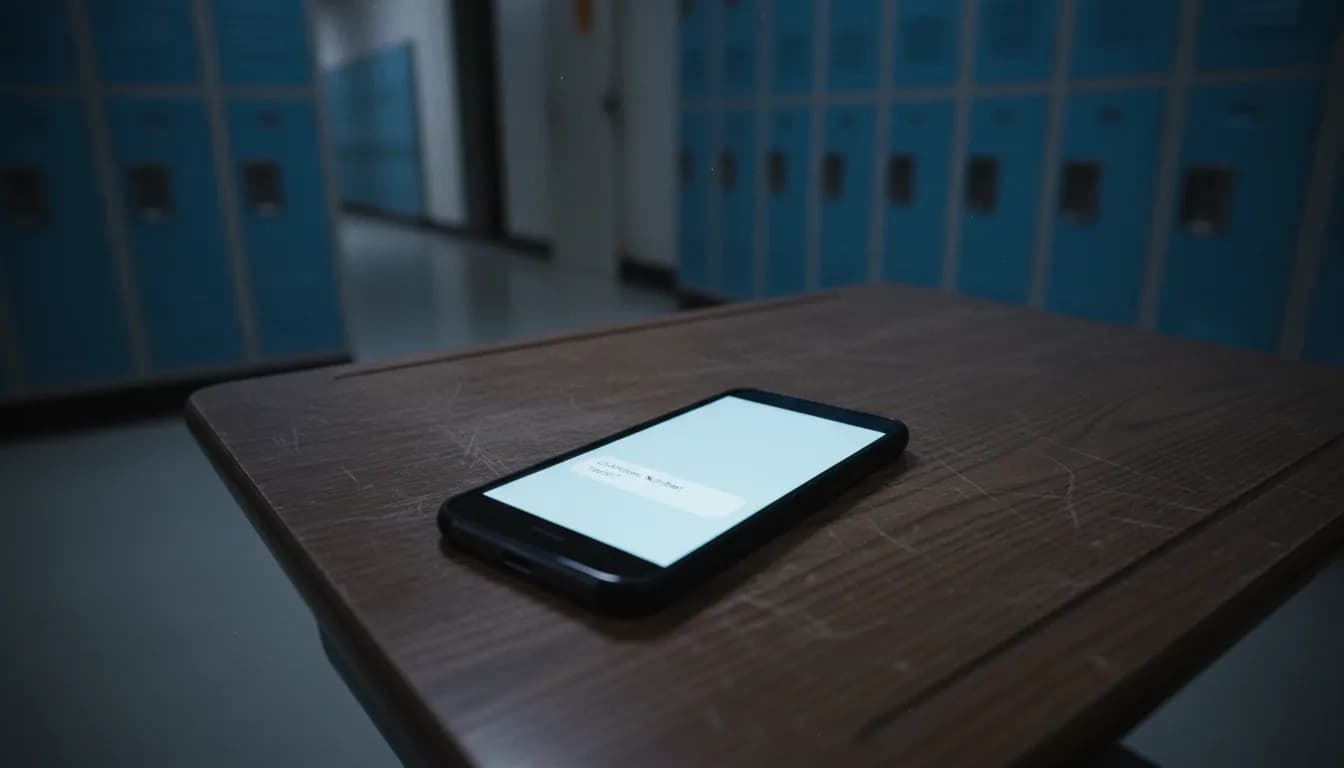
Netflix's documentary 'Unknown Number: The High School Catfish' presents a cyberbullying case that initially appears straightforward but unravels into a far more complicated narrative when examined beyond the streaming platform's 90-minute runtime.
The case centers on Kendra Licari, a high school girl who became the target of a catfishing and cyberbullying campaign. What makes this case particularly disturbing is that the perpetrator was not a distant online predator, but someone much closer to home: the girl's own mother.
Prosecutor David Barberi, who worked on the case, has provided additional context beyond what Netflix included in the documentary. In interviews on programs like 'Banfield,' Barberi discussed details that didn't make the cut for the streaming release. The 1.5-hour runtime of the Netflix production meant that a situation spanning over a year of harassment and psychological torment had to be compressed significantly, inevitably leaving crucial details on the editing room floor.
However, additional reporting has brought new dimensions to light. An article titled 'In Netflix's 'Unknown Number,' Kendra Licari Wasn't the Only Villain' suggests the narrative is even more complex than either the documentary or initial coverage indicated. According to this reporting, parents involved in the case took to Facebook to level serious accusations against Licari herself—specifically accusing her of felony-grade cyber crimes.
This reversal creates a troubling picture. Licari, presented as a victim in the Netflix documentary, is simultaneously accused by other parents of being a perpetrator of serious criminal conduct. The distinction between victim and aggressor becomes murky, raising questions about the reliability of narratives when presented through a single documentary lens.
The case also highlights a growing phenomenon in true crime coverage: the limitations of documentary storytelling when real cases involve multiple guilty parties and shifting moral positions. What plays as clear-cut villainy in a Netflix documentary may obscure the messier reality that families and prosecutors deal with in actual investigations.
YouTube content creators have picked up on these discrepancies, with additional analysis exploring 'The Truth Behind Netflix's New Cyberbullying Documentary,' focusing specifically on aspects the platform chose not to include. These supplementary accounts suggest that understanding the full Kendra Licari case requires looking beyond Netflix's framing.
The Kendra Licari case ultimately serves as a cautionary tale about multiple aspects of modern life: the dangers of cyberbullying and catfishing; the psychological harm that can result from online harassment; the complexity of assigning blame when multiple parties have engaged in harmful behavior; and the inherent limitations of documentary filmmaking in capturing nuanced, multi-year criminal investigations.
For international audiences following cybercrime trends, the case underscores how easily narratives can be shaped by runtime constraints, editorial choices, and the natural human tendency to create heroes and villains rather than acknowledge moral ambiguity.
**Sources**
https://www.youtube.com/watch?v=Y1fyNuMhmD0
https://www.youtube.com/shorts/LQjrw6SXIr8
https://bostonmoms.com/lifestyle/netflixs-unknown-number-kendra-licari-wasnt-only-villain-cyberbullying/