They Called Him Mostly Harmless
Max, 2024 — the real story of an unidentified hiker found dead in Florida in 2018
Quick facts
What Is the Series About?
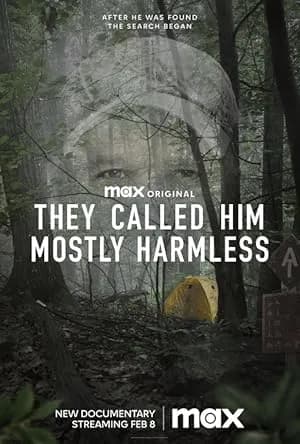
They Called Him Mostly Harmless is a feature-length documentary directed by Patricia E. Gillespie and released on Max on February 8, 2024. It covers the real-life death and identification investigation surrounding an unidentified man whose body was found in a tent in Big Cypress National Preserve, Florida, on July 23, 2018. The film is not a conventional true-crime story about a murder or a criminal trial. Instead, it chronicles the painstaking, years-long effort by both law enforcement and an army of internet sleuths to answer a deceptively simple question: who was this man?
As The Guardian notes, the documentary quickly evolves from a body-identification mystery into something more unsettling — a portrait of how the internet projects stories, fantasies, and expectations onto people it knows nothing about.
The Case
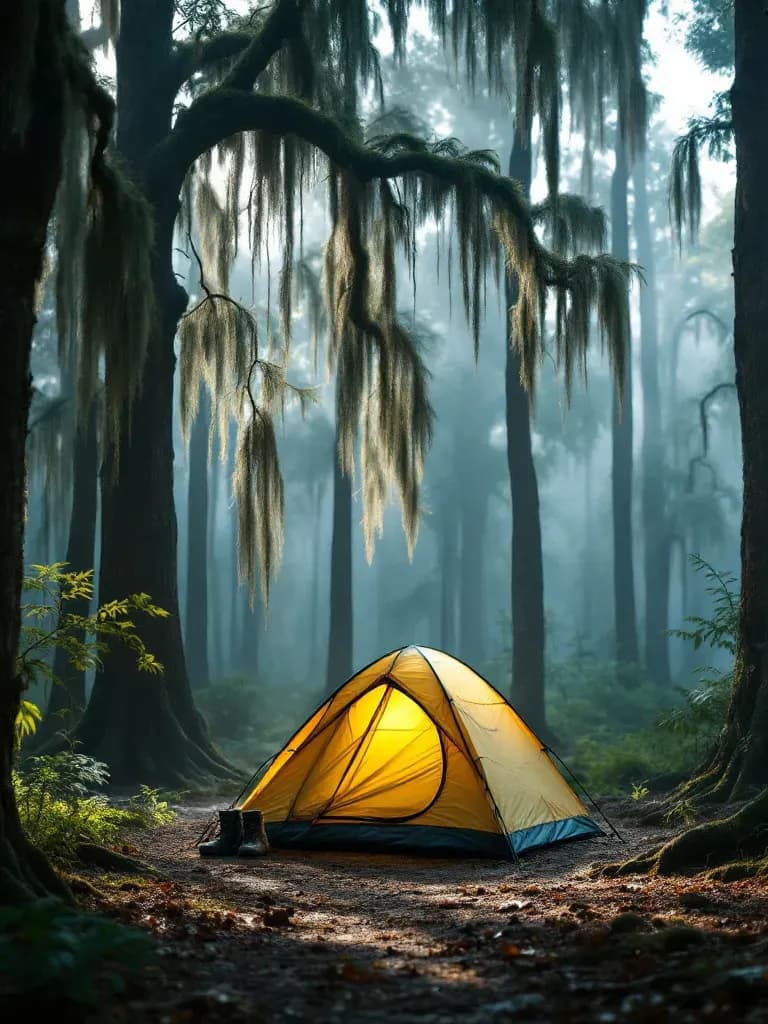
On the morning of July 23, 2018, rangers discovered the body of an adult male inside a tent deep within Big Cypress National Preserve, a vast wilderness area in South Florida. He had no identification on him, and nothing in the camp offered a clear lead to his name or origins.
What investigators did eventually piece together was a trail of sightings. The man had spent time hiking the Appalachian Trail, where fellow hikers knew him by the trail name Mostly Harmless — a nod to the Hitchhiker's Guide to the Galaxy — and occasionally by a second name, Denim. By all accounts he was quiet, polite, and self-contained. He deflected personal questions and left little trace of himself.
With no fingerprint match and no missing-persons report that fit, the case stalled. Into that vacuum stepped the online true-crime community. Facebook groups and Reddit forums became informal investigation hubs, where volunteers collected photographs, compared trail logs, and generated thousands of hours of collective research. According to Time magazine's reporting on the case, the effort attracted obsessive participation from across the country, with amateur investigators emotionally invested in solving the mystery.
The case remained unresolved for approximately 2.5 years. He was ultimately identified as Vance John Rodriguez, as the Orlando Sentinel reported ahead of the documentary's premiere. The exact circumstances of his death — why he was in Big Cypress, what led him there, and what caused him to die — have not been publicly established. No perpetrator has been identified or charged in connection with his death, and the case is treated as a death investigation rather than a confirmed homicide.
Production
The documentary was directed by Patricia E. Gillespie and runs approximately 1 hour 28 minutes. It is available on Max, formerly HBO Max. The film draws on interviews with hikers who encountered Rodriguez on the Appalachian Trail, members of the online communities that drove the identification effort, and investigators involved in the case.
Gillespie structures the film to reflect the dual nature of the story: on one level, it is a procedural account of how a John Doe case gets solved in the internet age; on another, it is a meditation on what it means to become a collective obsession — to have thousands of strangers argue over who you were, what you wanted, and why you disappeared, all while your real identity remains unknown.
Reception
The documentary carries an IMDb rating of 5.9/10, reflecting a divided response from viewers. Critical reception has been thoughtful if not uniformly enthusiastic.
The Daily Beast's review highlights the film's fraught push-pull dynamics, noting that the real-life narrative refuses to satisfy the expectations audiences bring from fictional crime stories. There is no arrest, no courtroom, no tidy resolution — and the documentary is honest about that absence.
The Guardian praises the film for shifting register at the right moment, moving from mystery toward a broader critique of the internet-sleuthing ecosystem. Reviewers have noted that the documentary raises genuine ethical questions: what happens when a community becomes so invested in a case that it begins to reshape the facts to fit a preferred narrative, and what do amateur investigators owe to the dead?
Viewer discussion on platforms like Reddit has been vigorous, with strong interest in Rodriguez's background following his identification. Some online commenters have raised claims about his personal history, but those claims originate largely from forum posts rather than verified primary reporting and should be treated with appropriate caution.
The Case Today
As of the documentary's release in February 2024, Vance John Rodriguez has been officially identified, but the broader questions surrounding his death — the cause, the circumstances, and what drew him to Big Cypress — remain publicly unresolved. No criminal charges have been filed, and there is no indication from available sources that law enforcement considers the case a homicide.
What They Called Him Mostly Harmless leaves viewers with is less a solved case than a set of harder, more durable questions about anonymity, identity, and what the true-crime internet does with the people it adopts as mysteries. Rodriguez chose, for whatever reasons, to disappear from his former life. The documentary asks whether the online community that worked so hard to find him ever truly saw him — or whether they were always, in some sense, looking for someone else.