Natascha Kampusch: A Lifetime in Prison
Viaplay, 2022 — the 8.5-year kidnapping of Austrian girl Natascha Kampusch by Wolfgang Přiklopil
Quick facts
What Is the Series About?
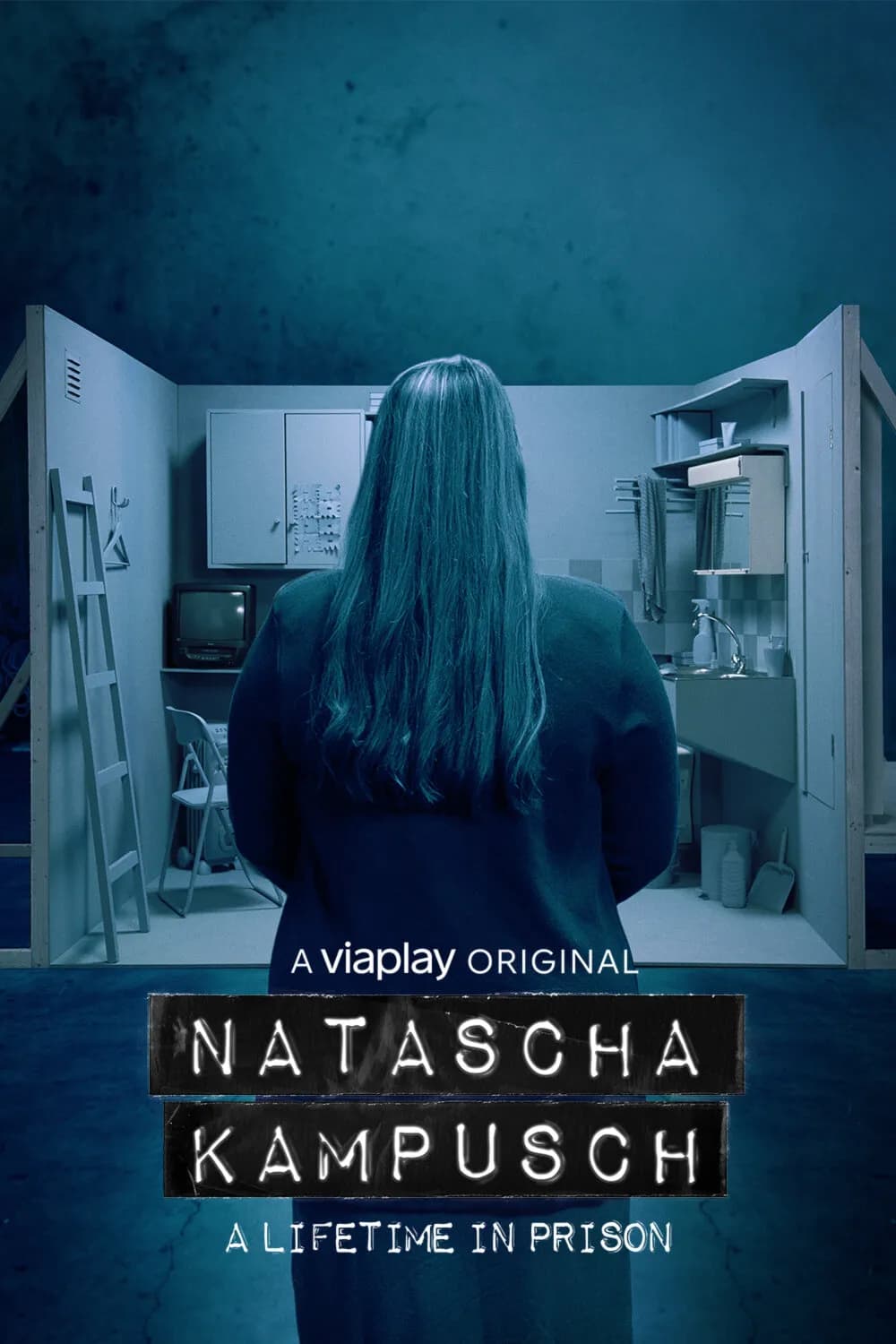
Natascha Kampusch – A Lifetime in Prison is a Viaplay Original documentary series that tells the story of one of Europe's most widely discussed abduction cases: the kidnapping of ten-year-old Austrian girl Natascha Kampusch in Vienna in 1998 and her eight-and-a-half years of captivity before she escaped in 2006. Directed by Nicole Nielsen Horanyi and produced by Hartland TV, the series spans three episodes of approximately 46 minutes each, all in German. It premiered on Viaplay on 24 February 2022 and is also available on Apple TV and Prime Video.
What sets this documentary apart from earlier coverage of the case is its deliberate focus on Kampusch's own voice. Rather than reconstructing the abduction primarily through investigators or media archives, the series centers on Kampusch speaking in her own words — recounting both the years of captivity and, crucially, the difficult public reception she faced after escaping. According to Viaplay's description, that reception "was not positive," and the series documents the harassment, cyberbullying, death threats, and condescension she endured from the public and media in the years after she regained her freedom.
The Case
On the morning of 2 March 1998, ten-year-old Natascha Kampusch left her home in Vienna, Austria, to walk to school. She never arrived. Witnesses reported seeing a girl being pulled into a white minibus, but despite a massive police search in the days and weeks that followed, authorities failed to find her. The leads that did exist were later found to have been mishandled — a source of significant controversy in Austria.
Kampusch had been abducted by Wolfgang Přiklopil, described in sources as an unemployed communications technician and former workplace/news technician. Přiklopil held her captive in his house, initially confining her to a specially constructed basement cell, and later keeping her under close observation throughout the property. Over the course of eight and a half years, she was subjected to unlawful imprisonment and prolonged abuse.
On 23 August 2006, Kampusch seized an opportunity and escaped while Přiklopil was momentarily distracted. She was 18 years old. The same day, Přiklopil fled and died by suicide, throwing himself in front of a train in Vienna. Because he died before he could be arrested and tried, there was never a criminal trial, and no sentence was handed down. The full scope of what Kampusch endured during those years has been reconstructed largely through her own testimony and post-escape investigations.
The case prompted an official review of the original police investigation, which found that investigators had received a tip pointing toward Přiklopil's house but failed to follow up on it properly — a missed lead that haunted Austrian law enforcement for years.
Production
The series was directed by Nicole Nielsen Horanyi and produced by Hartland TV as a Viaplay Original. It was filmed in German and runs across three episodes, each approximately 46 minutes long, for a total runtime of roughly two hours and eighteen minutes.
The production's central editorial decision — to frame the series around Kampusch's own account rather than third-party reconstruction — reflects a broader shift in true crime documentary-making toward survivor-led storytelling. Kampusch has written and spoken publicly about her experiences before, but the Viaplay series provides a structured, long-form platform for her to address both the captivity itself and the years of public hostility that followed her escape.
According to Viaplay's press materials, the documentary premiered on 24 February as a Viaplay Original. Apple TV lists the production year as 2022, and IMDb records a release date of 31 May 2022 for Denmark (IMDb title ID: tt33144059).
Reception
The available source material from Viaplay and associated platforms is largely promotional in nature, and no aggregate critical scores were available at the time of publication. The IMDb rating for the series (tt33144059) could not be confirmed from the verified research sources. However, the framing of the series — with Kampusch speaking in her own words about harassment and death threats she received after escaping — appears to have been a central selling point in Viaplay's marketing of the documentary.
The broader subject matter, the Natascha Kampusch case, has attracted intense and sustained media attention in Europe since 2006. Coverage of her post-escape life has frequently been criticized for its prurient and skeptical tone, and the documentary appears designed in part as a corrective to that coverage. As Viaplay's content page notes, the series documents the "scowls and condescension" she faced from the public — an angle that has resonated with audiences and critics who view media treatment of crime survivors as an important subject in its own right.
The Case Today
Because Wolfgang Přiklopil died by suicide on the day of Kampusch's escape, the criminal case was formally closed without a trial or verdict. No accomplices were ever charged, though speculation about whether Přiklopil acted entirely alone has occasionally resurfaced in Austrian media. Official investigations did not substantiate claims of wider involvement.
Natascha Kampusch has remained a public figure in Austria and Germany. She has authored books about her experiences and has continued to speak about the psychological aftermath of prolonged captivity. The question of how society — and the media in particular — treats survivors of high-profile crimes has become a recurring theme in her public appearances, and it is the animating question of this documentary series.
The missed police leads from the original 1998 investigation have never been fully resolved to public satisfaction, and the case continues to be cited in European discussions about investigative failures in missing persons cases involving children. Telekom Germany's summary of the case and Apple TV's series page both reflect continued international interest in the Kampusch case more than two decades after the abduction.