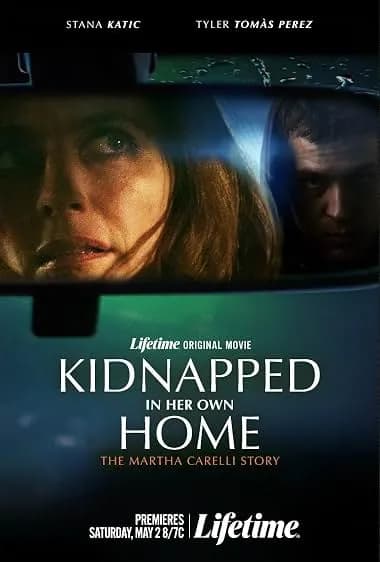
Kidnapped in Her Own Home: The Martha Carelli Story
Netflix/Lifetime film (2026) dramatizing the 1978 Washington State jail-escapee home invasion and kidnapping
Quick facts
What is the series about?
Kidnapped in Her Own Home: The Martha Carelli Story is not a true-crime documentary series in the conventional sense — it is a 2026 Lifetime-made dramatic film inspired by a real case, which later arrived on Netflix. The film dramatizes the April 1978 abduction of a Washington State wife and mother, whose real identity is concealed behind the pseudonym "Martha Carelli." That name, along with several other character names in the film, comes from true-crime author Ann Rule's nonfiction account rather than court records.
The Case
The real story began on April 16, 1978, when four inmates escaped from the Franklin County Jail in Pasco, Washington. Two days later, on April 18, one of the escapees, Michael Anderson, broke into the home of a local family. He hid inside the house and eventually held the woman, her husband (referred to in some accounts as "John Carelli"), and their children at gunpoint.
Anderson forced the woman to leave with him in her own car. During his attempted flight, he also took a man named Edward "Doug" Parry hostage. According to People's reporting on the case, investigators later discovered Anderson had purchased a plane ticket to California, suggesting he intended to flee the state — a detail that raised fears about the hostages' survival odds had the escape succeeded.
Anderson was ultimately caught after Parry managed to alert staff at a motel where the group had stopped. Police confronted Anderson outside the room and arrested him without further violence; the hostages were found alive. The principal victim suffered a concussion, a broken nose, facial injuries, lacerations, and contusions, and reportedly experienced lasting post-traumatic stress afterward.
Anderson confessed to the kidnappings and assaults and was charged with robbery, assault, conspiracy to commit escape, escape, and an additional assault count. He later pleaded guilty to robbery, assault, escape, and kidnapping. Reports indicate he also attempted two more jail escapes while awaiting trial. No fully documented sentencing transcript or verified sentence length has surfaced in available records, and the identities and legal outcomes for the three other escapees who fled with him remain unreported.
The case was chronicled by Ann Rule in her story "The Painter's Wife," published in her 2007 collection Smoke, Mirrors, and Murder and Other True Cases: Crime Files Vol. 12, which serves as the primary source material for the film.
Production
The film was directed by Traci Hays and stars Stana Katic, Tyler Perez, and Michael Shenefelt. As Netflix's Tudum article on the production explains, the filmmakers changed several names, including the victim's, to protect the survivors and other people connected to the real 1978 events. The movie first aired on Lifetime in May 2026 before becoming available to stream on Netflix later that year, in November 2026, carrying a TV-14 rating on the platform.
Reception
Formal critical reception appears limited. Rotten Tomatoes' listing for the film includes user commentary noting the film's unexpected rise to No. 4 on Netflix's rankings, suggesting notable viewer interest despite the absence of a broader critical consensus. No verified IMDb numeric rating or title page could be confirmed, though IMDb has published a news item about the production. Coverage of the film has largely focused on explaining the true story behind the pseudonyms rather than reviewing its dramatic merits, and no significant controversies or legal disputes tied to the production have been documented.
The Case Today
Details about what happened to Michael Anderson after his guilty plea — including his sentence length, any parole, or his current status — remain undocumented in available public records. The identities of the real victims, including the woman portrayed as "Martha Carelli," her husband, and their children, have not been publicly confirmed, in keeping with the pseudonyms used in both Ann Rule's original account and the Lifetime/Netflix dramatization.