The John Gotti Case — Gambino Boss and the RICO Conviction
New York, 1985–1992: Gambino crime family boss convicted of racketeering and murder
Published June 2, 2026
Quick Facts
The Case
The John Gotti case is the landmark federal racketeering prosecution that ended the public reign of one of the most notorious American organized crime bosses of the 20th century. Rather than a single homicide case, it was a sweeping RICO prosecution combining murder conspiracy, illegal gambling, loansharking, extortion, bribery, tax evasion and obstruction of justice, and it produced a 1992 conviction of Gambino crime family boss John Gotti and his underboss Frank Locascio in the United States District Court for the Eastern District of New York.
Gotti, born October 27, 1940, in the Bronx, was known to the tabloids as the "Dapper Don" for his expensive suits and to investigators as the "Teflon Don" after a string of acquittals in earlier prosecutions. The 1992 case finally made the charges stick.
The Crime
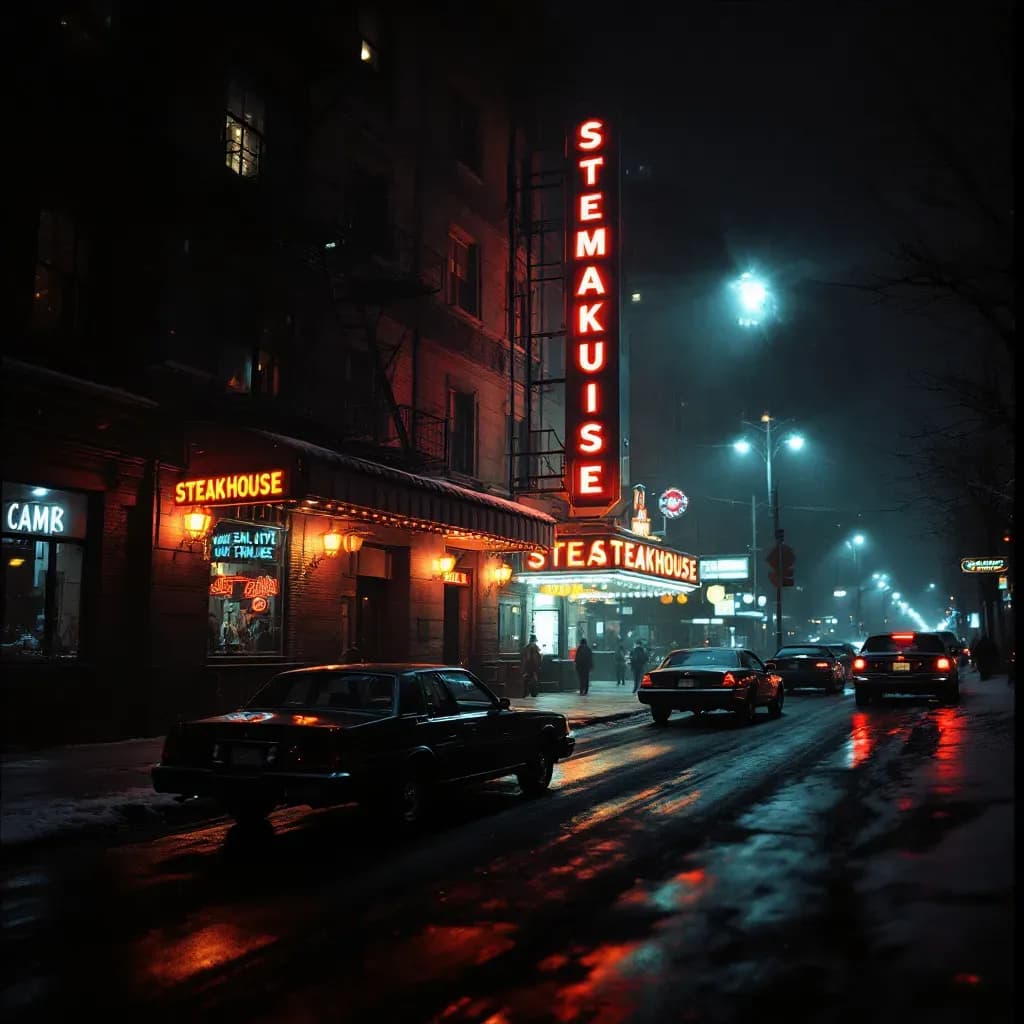
The central proven act in the federal case was the assassination of Gambino family boss Paul Castellano. On December 16, 1985, Castellano, then 70 years old, was ambushed and shot dead together with his driver outside Sparks Steak House in Midtown Manhattan. Federal prosecutors proved that Gotti ordered the murder so that he could seize control of the Gambino family, one of New York's Five Families.
Timeline
Paul Castellano and Tommy Bilotti killed in New York City
On December 16, 1985, the Gambino family's then-boss Paul Castellano and Thomas 'Tommy' Bilotti were shot and killed in New York City. The killings later served as predicate acts in the RICO indictment.
Indictment returned by grand jury in Brooklyn
In July 1991, a grand jury in the Eastern District of New York returned the indictment against John A. Gotti and Frank Locascio for federal RICO violations and other charges.
Verdict: both defendants found guilty
On April 2, 1992, the verdict was delivered. Gotti was found guilty on all counts; Locascio guilty on all counts except one gambling count.
Sentence handed down: life without parole for both
On June 23, 1992, John A. Gotti was sentenced to life without parole and fined $250,000. Frank Locascio was likewise sentenced to life without parole.
U.S. Supreme Court declines to hear the case
In May 1994, the U.S. Supreme Court denied certiorari, finally concluding direct review of the convictions against Gotti and Locascio.
The killing was a classic mob hit: gunmen in matching coats and hats waited near the restaurant, opened fire as Castellano arrived for a dinner meeting, and disappeared into the Manhattan evening. Within weeks Gotti was the new boss of the Gambino organization.
Beyond the Castellano hit, the indictment described a long-running racketeering enterprise that included additional murders, large-scale illegal gambling, loansharking, extortion of businesses, bribery of public officials and systematic obstruction of justice.
The Victims
The most prominently named victim in the case was Paul Castellano, the Gambino boss whose execution on a Manhattan sidewalk became one of the most photographed mob killings in American history. He was 70 at the time of his death.
The RICO indictment also charged Gotti with responsibility for additional murders committed as part of the Gambino enterprise. Court filings and later reporting describe several of these victims as rival mobsters and associates killed to consolidate Gotti's power, although the verified record used here does not list each of them by full name and age.
Investigation
Gotti had been a major federal target for years. He was tried and acquitted in 1987, and beat further state and federal cases, which is how the New York press came to call him the Teflon Don. Investigators concluded that the acquittals were the product of witness intimidation and jury tampering rather than weak evidence.
The breakthrough came with sustained FBI surveillance of Gambino meeting places, including bugged conversations in which Gotti discussed the family's business and, according to investigators, admitted ordering murders. When Gotti and Locascio were indicted in 1990, prosecutors in the Eastern District of New York combined those recordings with cooperating witness testimony — most famously from underboss Salvatore "Sammy the Bull" Gravano — and detailed financial and surveillance evidence.
This time, as the Mob Museum notes, Gotti could not reach the witnesses or the jury: the trial judge ordered an anonymous and sequestered jury and disqualified several defense lawyers who were themselves implicated by the wiretaps.
Trial and Verdict
The federal trial of [United States v. Frank Locascio and John Gotti](https://www.unodc.org/cld/case-law-doc/justiceobstructioncrimetype/usa/1993/us_v_frank_locascio_and_john_gotti.html) took place in the Eastern District of New York and lasted about six weeks. On April 2, 1992, the jury convicted John Gotti on all counts of the indictment, including the racketeering counts that incorporated the Castellano murder, and convicted Frank Locascio on most of the counts against him.
Gotti was sentenced to life in federal prison without the possibility of parole and transferred to the federal supermax penitentiary in Marion, Illinois. Pretrial and procedural rulings from related Gambino prosecutions, including evidentiary disputes over surveillance and earlier indictments, are preserved in published federal opinions such as those collected at Justia.
Today
John Gotti died of throat cancer on June 10, 2002, in the federal medical center at Springfield, Missouri, while still serving his life sentence. The Gambino family continued to operate after his imprisonment but never regained the public profile it had during his brief reign as boss.
The case remains a defining example of how the federal RICO statute, combined with electronic surveillance and cooperating insider witnesses, was used to dismantle the leadership of American Cosa Nostra. It is also one of the most heavily covered organized crime cases in modern media, generating books, documentaries and dramatizations that continue to shape the popular image of the New York Mafia.
Media coverage
TV series
- Get Gotti(2026)
Ask about this case
Answers from KrimiNyt's coverage onlyFollow this case
Get an email when a new documentary, podcast or book about The John Gotti Case — Gambino Boss and the RICO Conviction appears, or when a verdict is reached.