Marc Dutroux: Belgium's Worst Crime Since WWII
How a released sex offender became a serial killer and exposed massive police failures
Published March 21, 2026
Quick Facts
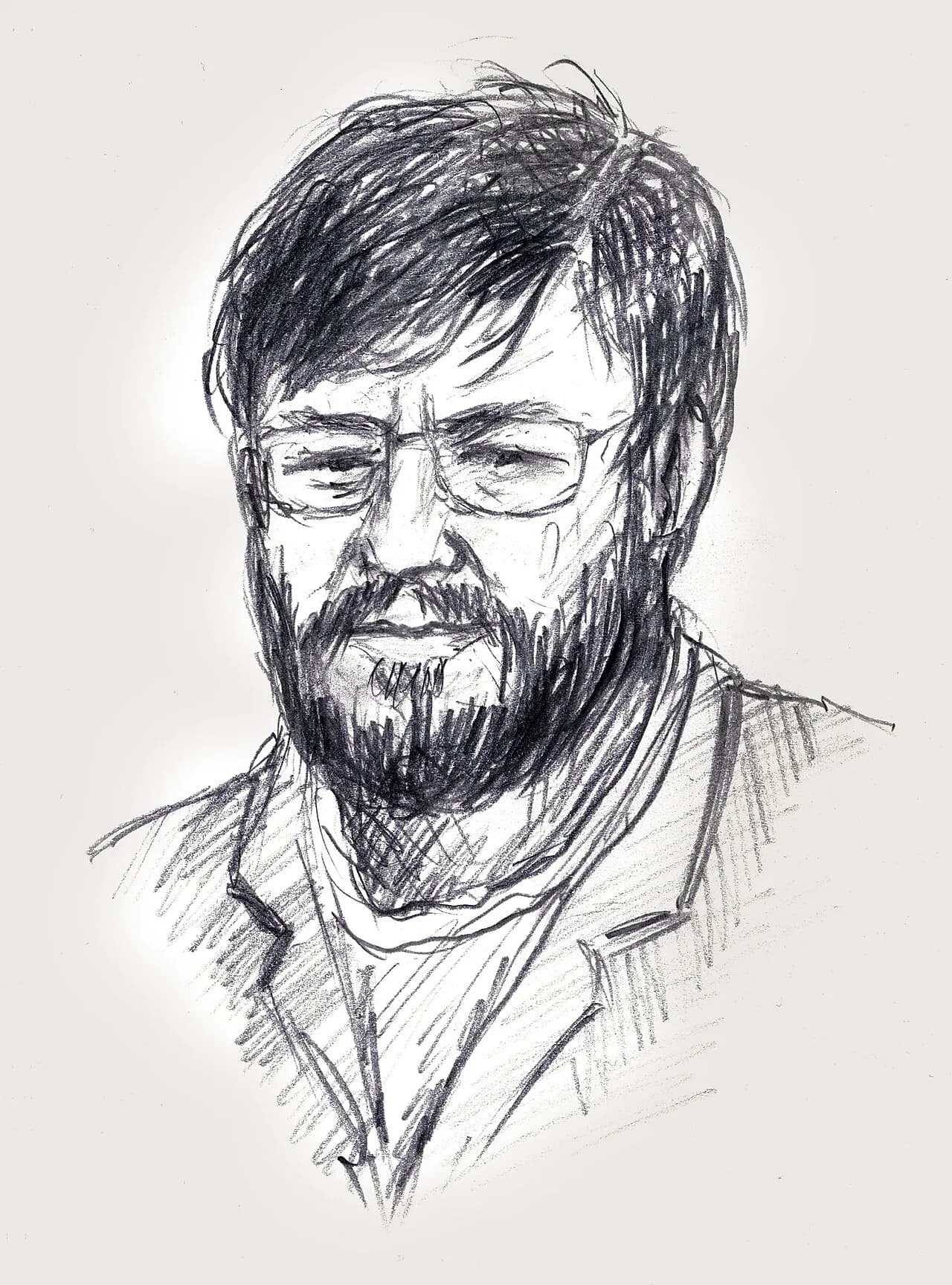
Marc Paul Alain Dutroux was born on 6 November 1956 in Belgium. By the time authorities finally stopped him in 1996, the 39-year-old had become the architect of what would be described as Belgium's worst crime since the Second World War.
Dutroux had a documented history of sexual violence. In 1989, he was convicted of abducting and raping five young girls and sentenced to 13 years in prison. But in 1992—after serving only three years—he was paroled, a decision that would have catastrophic consequences.
After his release, Dutroux resumed hunting for victims. In June 1995, he abducted 8-year-old Julie Lejeune and 8-year-old Melissa Russo. Both children would starve to death in one of his properties, discovered only after his arrest. That same year, on 25 November, Dutroux killed his accomplice Bernard Weinstein by burying him alive, claiming the man had "let the girls die."
Timeline
First abductions take place in Belgium
During 1995, Marc Dutroux, assisted by Michelle Martin and Michel Lelièvre, begins abducting girls and young women in Belgium. The victims are held captive in a hidden cellar.
Dutroux arrested by Belgian police
Marc Dutroux is arrested on August 13, 1996, by Belgian authorities based on witness observations related to the abduction of Laetitia Delhez.
Sabine Dardenne and Laetitia Delhez freed
On August 15, 1996, police find Sabine Dardenne (12) and Laetitia Delhez (14) alive in the hidden cellar under Dutroux's house and free the two surviving victims.
The White March: Mass demonstration in Belgium
In October 1996, hundreds of thousands of Belgians gather for the so-called White March in Brussels to protest the authorities' handling of the case and to commemorate the victims.
Verdict handed down at Cour d'assises d'Arlon
In June 2004, the Arlon Assize Court sentences Marc Dutroux to life imprisonment. Michelle Martin and Michel Lelièvre are also convicted for their involvement in the crimes.
In November 1995, Dutroux struck again. He kidnapped 14-year-old Sabine Dardenne and 12-year-old Laetitia Delhez, confining them in the basement of a house in Marcinelle, near Charleroi. The girls' imprisonment would last months.
Police had opportunities to stop him but failed repeatedly. On 6 December 1995, Dutroux was arrested for vehicle theft and released. Nine days later, on 13 December 1995, police searched his Marcinelle house following anonymous tips—including one from Dutroux's own mother. During the search, officers heard children's voices coming from the basement but dismissed the sounds as coming from outside the property. They left without finding the two imprisoned girls.
It was not until August 1996 that Dutroux's crimes finally ended. A witness recognised him in connection with Laetitia Delhez's abduction, and police arrested him. When officers returned to the Marcinelle basement, they found Sabine Dardenne alive. Julie Lejeune and Melissa Russo were discovered dead in another residence days later.
Dutroux's suspected victim count extended further. The bodies of two other girls—An Marchal and Eefje Lambrecks—were linked to him. In total, he was convicted of murdering four girls and his accomplice Bernard Weinstein.
The trial began on 1 March 2004 at Aarlen court in southeast Belgium. Dutroux was found guilty of kidnapping, confining, and raping six girls and young women between 1995 and 1996, and murdering four of them plus Weinstein. He received a life sentence, which has been upheld; parole has been denied as of 2022.
His crimes devastated Belgium. An estimated 300,000 people marched through Brussels in protest—one of Europe's largest demonstrations in the post-war era. The case exposed systemic police incompetence and corruption. A 1997 government commission found indications that certain suspects, possibly including Dutroux himself, had been protected by officials. The public outcry was so intense that over one-third of Belgians with the surname Dutroux changed their names between 1996 and 1998.
In April 1998, Dutroux briefly escaped from a court but was quickly recaptured. The incident triggered resignations from Belgium's police chief, justice minister, and interior minister. In July 1999, Advocate General Hubert Massa, who had worked on the case, died by suicide.
The house where Dutroux held Sabine Dardenne and Laetitia Delhez became known as the "House of Horror." In 2022, demolition began, though the cellars were preserved, with plans for a memorial to paedophilia victims.
**Sources**
https://www.britannica.com/biography/Marc-Dutroux
https://allthatsinteresting.com/marc-dutroux
https://en.wikipedia.org/wiki/Marc_Dutroux
https://www.youtube.com/watch?v=2rWRNneKXGA
https://www.rte.ie/news/world/2022/0607/1303510-belgium-marc-dutroux/
Media coverage
Podcasts
- Mørkeland: Marc Dutroux, Accomplices and Captive Victims in Belgium(2026)
- The Dungeon: Inside Marc Dutroux's Chamber of Horrors(2026)
Ask about this case
Answers from KrimiNyt's coverage onlyFollow this case
Get an email when a new documentary, podcast or book about Marc Dutroux: Belgium's Worst Crime Since WWII appears, or when a verdict is reached.