Dorothea Puente: California's Boarding House of Death
How a caregiver turned serial killer preyed on vulnerable tenants for nearly a decade
Published June 6, 2025
Quick Facts
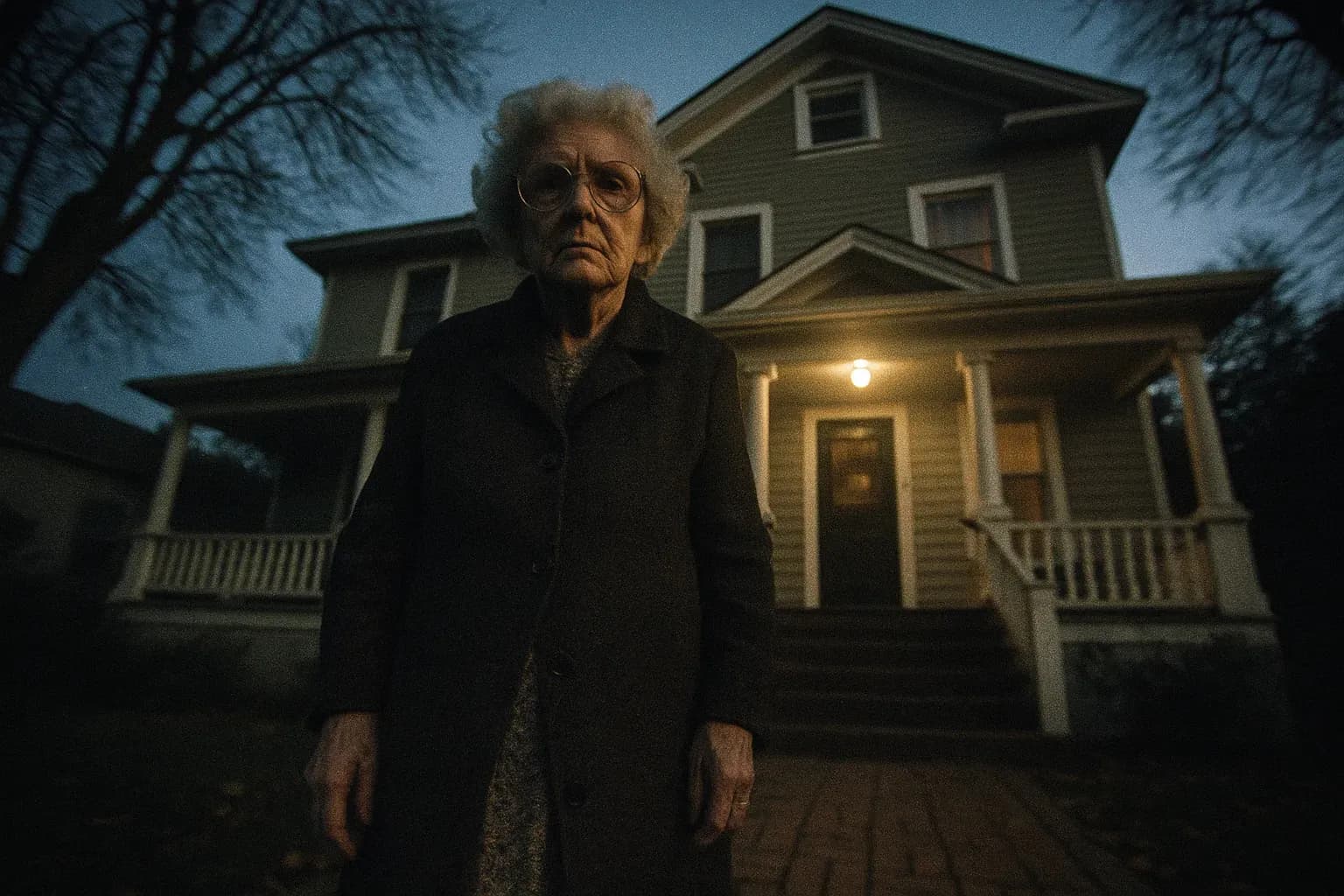
In November 1988, Sacramento police investigating a missing tenant named Alvaro Montoya made a discovery that would expose one of California's most chilling serial killing operations. Officers noticed disturbed soil around a boarding house at 1426 F Street—and beneath it lay the body of 78-year-old Leona Carpenter, partially dismembered, her head, hands, and lower legs never found.
The property belonged to Dorothea Helen Puente, a former nurse's aide who had been running unlicensed boarding houses despite a prior conviction and parole conditions explicitly forbidding her from doing so. A psychologist had once warned authorities that Puente was "dangerous" and required monitoring. Those warnings went unheeded.
Puente's modus operandi was calculated and methodical. She targeted elderly and mentally disabled residents who received Social Security benefits—people with few advocates and little oversight. She would drug them with a cocktail of prescription medications including doxylamine, haloperidol, flurazepam, and codeine mixed with acetaminophen. Once they died, she wrapped their bodies in bedsheets and plastic, buried them in her yard, and forged their signatures to continue cashing their benefit checks. Investigators later found she had illegally obtained nearly $7,000 in this manner.
Timeline
Puente commits first killings at boarding house
From 1982, Dorothea Puente begins killing residents at her boarding house at 1426 F Street, Sacramento, and cashing their public benefit checks.
Investigation and excavation at F Street
In 1988, authorities begin digging in the garden at the boarding house. The discovery of human remains triggers a major forensic investigation.
Puente flees and is arrested in Los Angeles
During the investigation in 1988, Puente leaves Sacramento. She is found and arrested shortly after in Los Angeles.
Jury convicts Puente of three murders
On August 26, 1993, a jury in Sacramento convicts Dorothea Puente of the murders of Benjamin Fink, Leona Carpenter and Dorothy Miller. She is sentenced to life in prison without the possibility of parole.
Dorothea Puente dies in prison
On March 27, 2011, Dorothea Puente dies at age 82 at the Central California Women's Facility in Chowchilla, while serving her life sentence.
The scale of Puente's crimes became apparent as the investigation deepened. Seven bodies were excavated from the boarding house property alone. Beyond those, authorities linked her to the deaths of Ruth Monroe, a friend and business partner who died in April 1982 from a codeine and Tylenol overdose initially ruled a suicide, and Everson Gillmouth, her former boyfriend. Gillmouth's body had been placed in a wooden box—constructed by a handyman Puente hired, telling him it was for storing books—and dumped in the Sacramento River in Sutter County.
Alvaro Montoya, the developmentally disabled schizophrenic tenant who had sparked the initial police inquiry, was later found, but evidence linked him to Puente as well.
Fleeing Sacramento after police discovered the bodies, Puente was arrested in Los Angeles on November 16, 1988. She had been tipped off by a man she'd met in a bar who became interested in her after learning about his own disability checks—a detail that speaks volumes about her predatory nature even in her final days of freedom.
The subsequent trial, moved to Monterey County to avoid prejudicial Sacramento media coverage, began in February 1993. Puente's defense claimed her tenants had died of natural causes or suicide. The prosecution presented overwhelming evidence of systematic poisoning and financial exploitation.
On December 11, 1993, a jury found Puente guilty of three murders. The jury deadlocked 7-5 on the remaining charges, resulting in a mistrial on those counts. She received two consecutive life sentences without possibility of parole.
Throughout her incarceration, Puente maintained her innocence, insisting that all her tenants had died of natural causes. She spent her final years at the Central California Women's Facility in Chowchilla, where she died on March 27, 2011, at age 82. She never expressed remorse for her crimes.
The Dorothea Puente case exposed critical failures in the oversight of unlicensed boarding houses and the vulnerability of elderly and disabled individuals in the care system. It remains a stark reminder of how those tasked with caring for society's most fragile members can become predators when accountability is absent.
Sources: https://en.wikipedia.org/wiki/Dorothea_Puente https://www.crimemuseum.org/crime-library/serial-killers/dorothea-puente/ https://www.serialkillercalendar.com/Dorothea%20Helen%20PUENTE.php https://www.sacramentopress.com/2020/02/21/california-stage-tells-all-about-killer-dorothea-puente/ https://www.oxygen.com/murders-at-the-boarding-house/crime-news/where-is-serial-killer-dorothea-puente-now
Ask about this case
Answers from KrimiNyt's coverage onlyFollow this case
Get an email when a new documentary, podcast or book about Dorothea Puente: California's Boarding House of Death appears, or when a verdict is reached.