Cleveland Torso Murderer: Eliot Ness's Unsolved Case
Serial killer terrorized Cleveland 1935-1938
Published June 6, 2025
Case Details
Quick Facts
What Happened
The Cleveland Torso Murderer, also known as the Mad Butcher of Kingsbury Run, remains one of America's most disturbing unsolved serial killer cases. Between 1935 and 1938, an unidentified killer murdered at least twelve victims in Cleveland, Ohio, dismembering their bodies with surgical precision and scattering remains across the city's industrial wasteland.
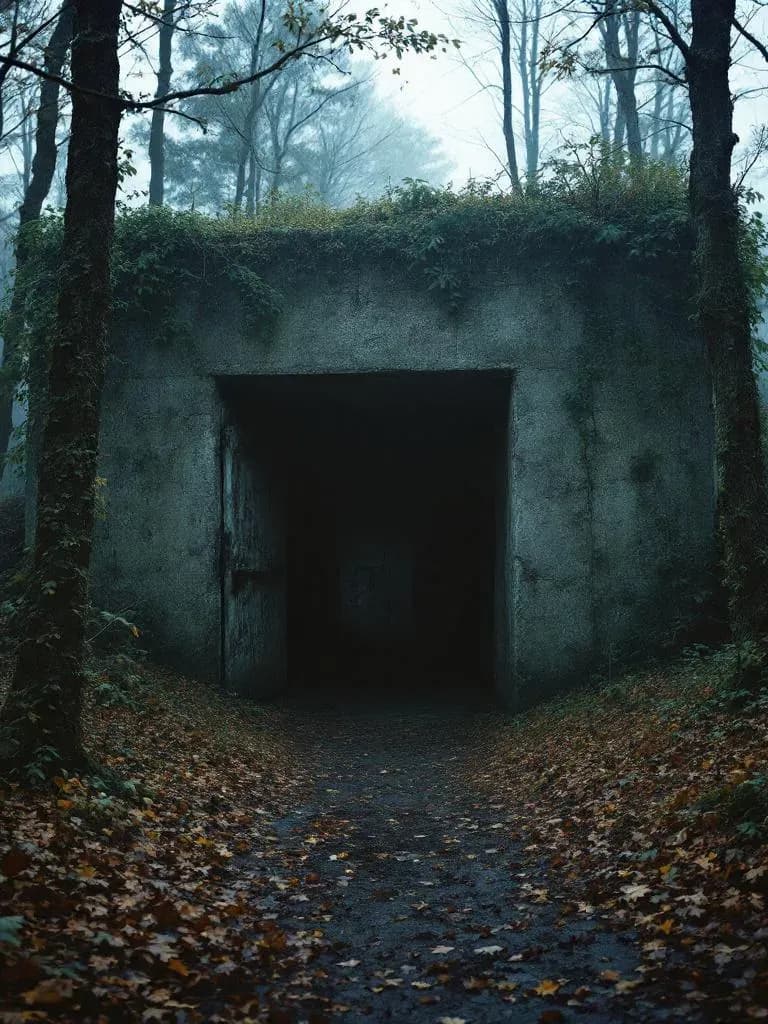
The horror began on September 23, 1935, when two mutilated bodies were discovered in Kingsbury Run, a desolate ravine that served as a hobo jungle during the Great Depression. The victims had been decapitated and expertly dismembered, their remains carefully arranged in a manner that suggested the killer possessed anatomical knowledge.
By summer 1936, three more mutilated bodies were found, confirming Cleveland's worst fears—a serial killer was operating in their midst. The tabloid press seized upon the story, dubbing the unknown perpetrator the "Butcher of Kingsbury Run." The killer's victims were predominantly marginalized individuals: drifters, sex workers, and homeless men who frequented the railroad tracks and shanty towns of the Run.
Timeline
First two bodies found in Kingsbury Run
The first two victims were found in Kingsbury Run, Cleveland. Both were decapitated and mutilated. This marked the start of the murder series.
Three more bodies discovered
During the summer of 1936, three more mutilated bodies were found, significantly expanding the case.
Eliot Ness leads the investigation
Eliot Ness, Cleveland's director of public safety and previously known for his efforts against Al Capone, took over the leadership of the investigation.
Ness orders burning of shantytowns
In a controversial move, Ness ordered the burning of the shantytowns in Kingsbury Run. Residents were forced away, and the murders subsequently stopped.
DNA investigation resumed
The Cuyahoga County Medical Examiner's Office and the DNA Doe Project began exhumation and the use of genetic genealogy to identify the victims.
Only two victims were positively identified: Edward Andrassy and Florence Polillo. The remaining victims—their heads often never recovered—went to unmarked graves as John and Jane Does, stripped of identity even in death.
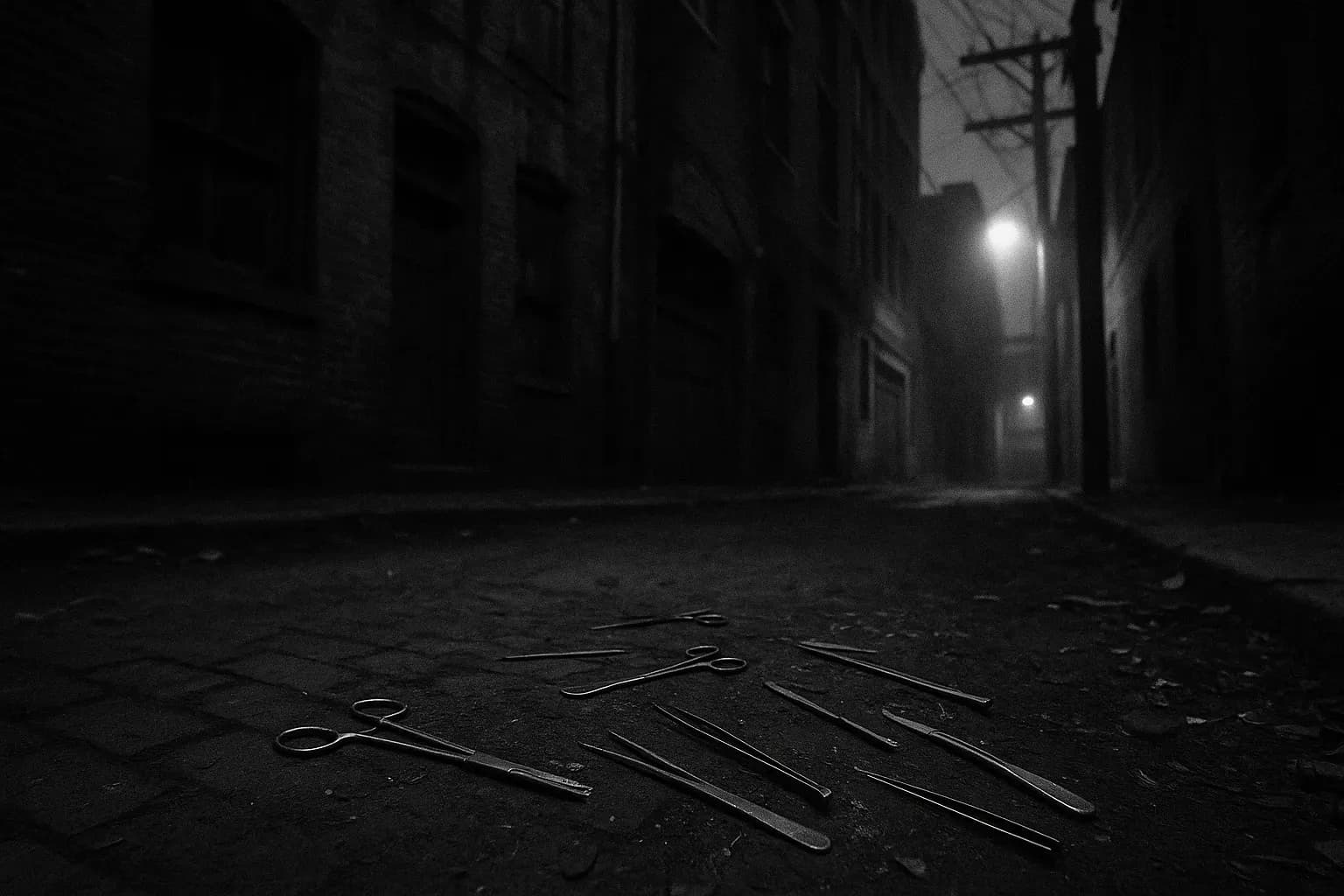
The killer's pattern was terrifyingly consistent: decapitation, dismemberment, and often chemical treatment or drainage of blood from the corpses. Some bodies showed evidence of being alive during initial dismemberment, suggesting torture. The precision of the cuts indicated the perpetrator likely had medical training or experience as a butcher.
Investigation
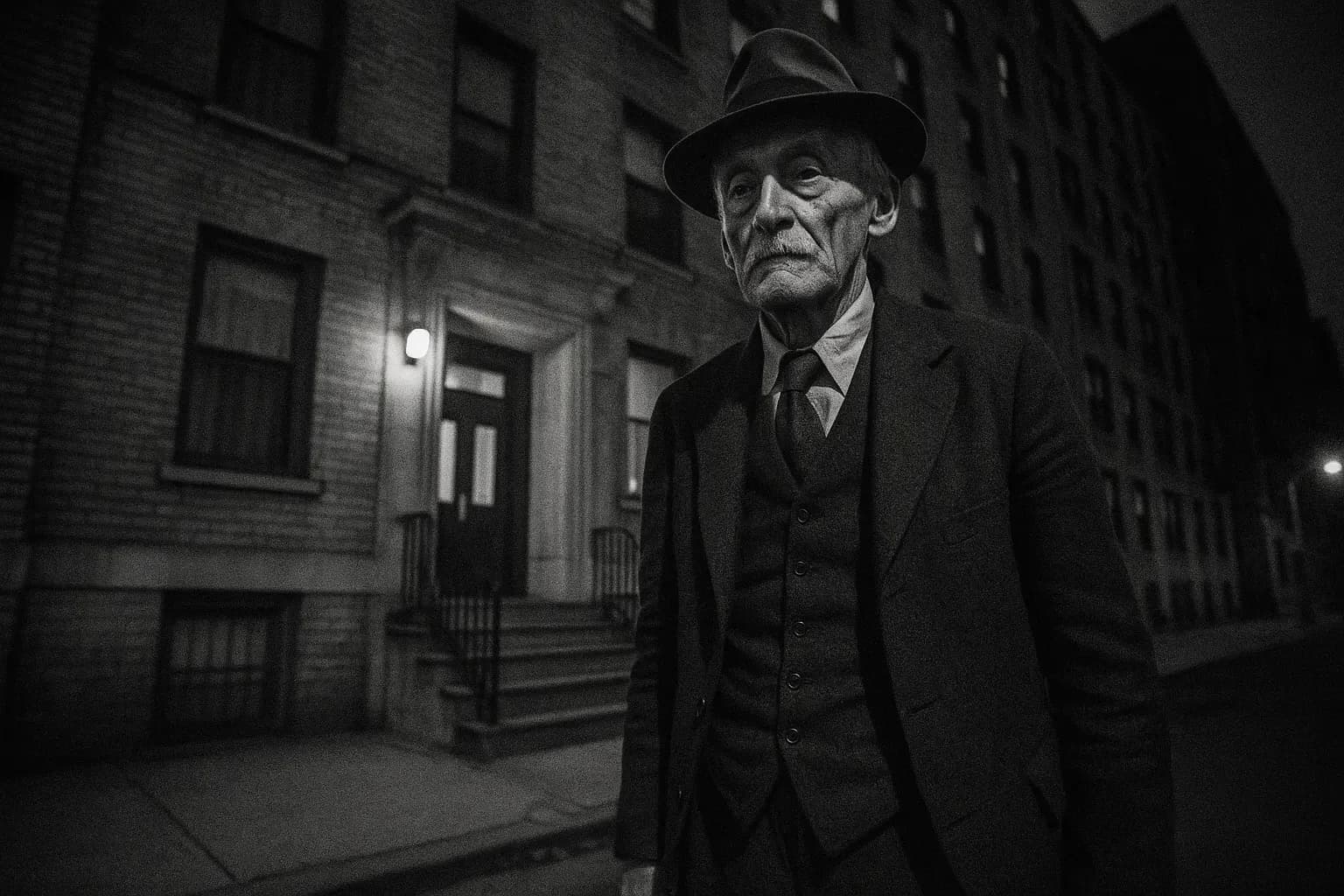
The Cleveland Torso Murderer investigation became the defining challenge of Eliot Ness, the legendary lawman who had made his name bringing down Al Capone in Chicago. As Cleveland's Director of Public Safety from 1935 to 1938, Ness found himself confronting a far more elusive enemy than organized crime bosses.
Ness assembled a task force and pursued numerous leads, but the investigation was hampered by the victims' marginalized status. Many could not be identified, making it nearly impossible to establish connections between them or trace their final movements. The killer left virtually no evidence at the dump sites, suggesting the murders occurred elsewhere and bodies were transported after death.
The investigation's most controversial moment came when Ness ordered a raid on the shanty towns of Kingsbury Run, burning down the makeshift homes of dozens of transients in an attempt to both protect potential victims and flush out the killer. The action drew intense criticism but failed to stop the murders or identify the perpetrator.
Despite extensive efforts, Ness never collected enough evidence to file charges against any suspect. The killings appeared to stop in 1938, though whether the murderer died, moved, or was institutionalized remains unknown. Some investigators believed similar murders in other states might be connected, suggesting the killer may have simply relocated.
Ness reportedly carried the weight of this failure for the rest of his life, considering the Torso Murderer his greatest professional defeat.
Legal Proceedings
No charges were ever filed in connection with the Cleveland Torso Murders. The killer's identity remains unknown, and no suspect was ever brought to trial.
While Ness and subsequent investigators developed persons of interest over the years, none could be definitively linked to the crimes with sufficient evidence for prosecution. The case represents a complete failure of the criminal justice system to achieve accountability—not through incompetence, but due to the killer's extraordinary care in avoiding detection.
Status
The Cleveland Torso Murderer case remains officially unsolved and classified as a cold case. Nearly nine decades after the murders, the killer's identity continues to elude investigators.
In 2024, modern science offered new hope. The Cuyahoga County Medical Examiner's Office partnered with the DNA Doe Project to exhume remains of unidentified victims, employing investigative genetic genealogy—the same technique used to identify the Golden State Killer. Researchers hope that identifying the unknown victims might finally provide leads to the killer's identity.
The exhumation effort represents the first major development in the case in decades. By building family trees through DNA analysis, investigators may be able to restore names to the nameless victims and potentially uncover connections that 1930s detectives could never have discovered.
However, given the passage of time and the degraded condition of remains buried for nearly a century, success is far from guaranteed. The Cleveland Torso Murderer may well take his or her identity to the grave, leaving one of history's most brutal serial murder sprees forever shrouded in mystery.
Media Coverage
The Cleveland Torso Murders captivated tabloid media throughout the 1930s, with sensational coverage of each new discovery. The case became intertwined with Eliot Ness's legend, featuring prominently in his mythology as the one case the famous G-man couldn't solve.
The murders have inspired numerous books, documentaries, and fictional treatments over the decades. The case's combination of gruesome details, Depression-era atmosphere, and connection to a legendary lawman has ensured its place in true crime history.
The 2024 DNA identification efforts generated renewed international media attention, with coverage focusing on how modern forensic science might finally resolve a case that defeated even the most celebrated detective of his era. True crime podcasts and documentary series have revisited the murders, introducing new generations to one of America's most perplexing unsolved cases.
Sources
This article was compiled from historical records and contemporary reports on the Cleveland Torso Murderer investigation, including documentation from the Cuyahoga County Medical Examiner's Office regarding ongoing identification efforts and archival materials related to Eliot Ness's tenure as Cleveland's Director of Public Safety during the murder spree.
Media coverage
Books
- Cleveland's Torso Murders: Ohio's Unsolved 1930s Killings(2026)
- American Demon: Eliot Ness and the Hunt for America's Jack the Ripper(2026)
Podcasts
- Criminal: Al Capone, Eliot Ness, and Cleveland's Torso Murderer(2026)
Ask about this case
Answers from KrimiNyt's coverage onlyFollow this case
Get an email when a new documentary, podcast or book about Cleveland Torso Murderer: Eliot Ness's Unsolved Case appears, or when a verdict is reached.