The $50 Million Bank Heist That Shook Beirut
How robbers breached the British Bank of the Middle East during Lebanon's civil war — and vanished without a trace
Published June 6, 2025
Case Details
Quick Facts
Classification:
Quick facts
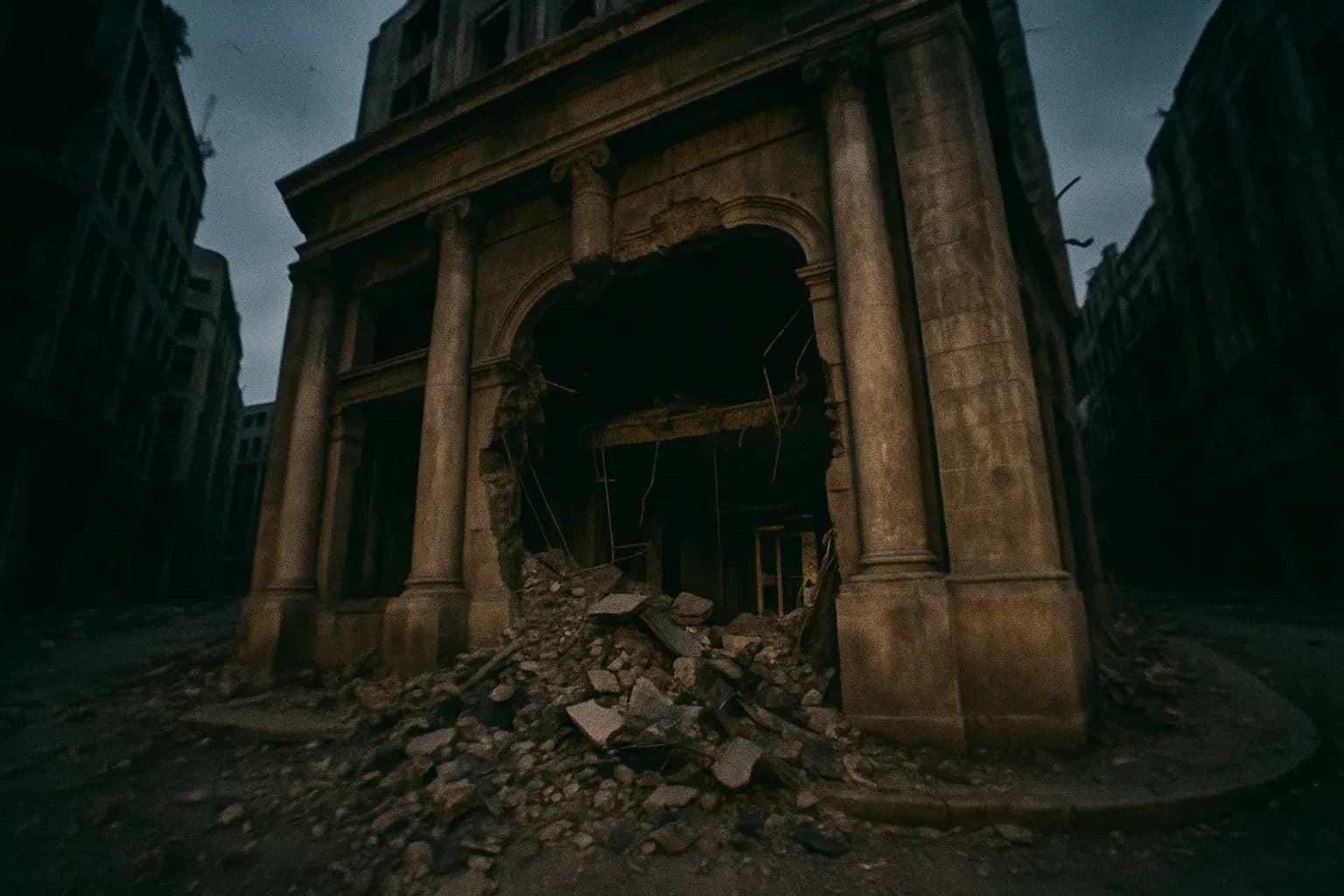
On January 20, 1976, one of the world's most audacious bank robberies unfolded in the heart of Beirut. A group of thieves targeted the British Bank of the Middle East (BBME) in downtown Beirut, on Wadi Abou Jmil Street, adjacent to the 19th-century St. Louis Capuchin Cathedral. By the time they were finished, they had made off with an estimated $20–50 million in valuables — a fortune that would be worth far more today.
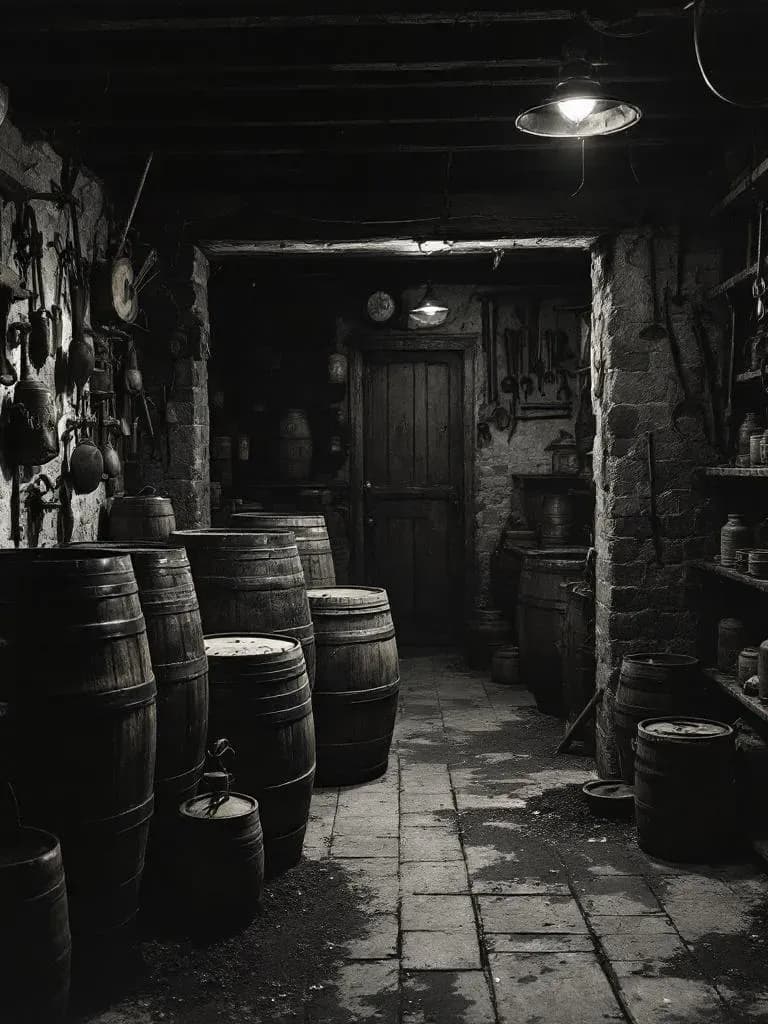
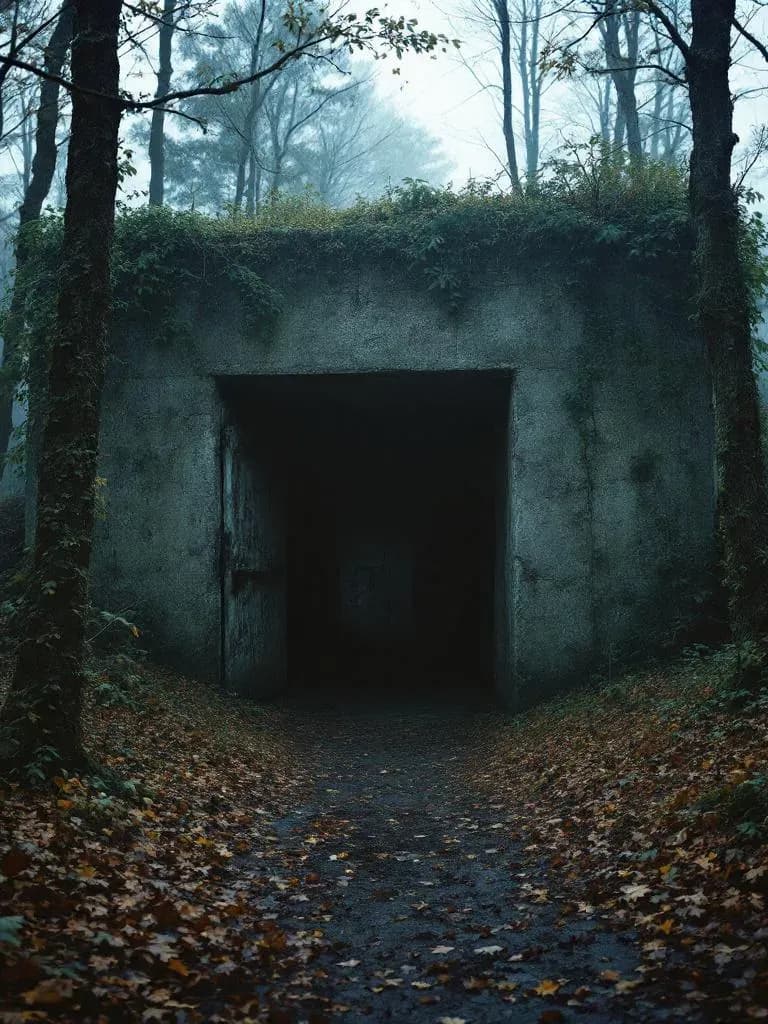
What made this heist extraordinary wasn't just the haul. It was the method: the robbers blasted through a shared wall connecting the bank to the adjacent Catholic church, using explosives to breach the vault itself. The operation was painstaking and deliberate. It took four full days to empty the vault box by box, with two days alone spent cracking the main vault. This wasn't a smash-and-grab. This was a carefully orchestrated job.
The stolen items paint a picture of a bank holding extraordinary wealth. Gold bullion, stocks and bonds, suitcases full of jewellery, and both Lebanese and foreign currency disappeared into the night. Some sources allege that secret British government documents were also taken — a detail that has never been confirmed but remains tantalizing for conspiracy theorists.
Timeline
The Attack
Armed guerrilla fighters blast their way into the British Bank of the Middle East in Beirut and seize assets worth 20-50 million dollars.
First Speculations
Reports about the scale of the loot become known. Suspicion quickly arises of a connection to the PLO and Yasser Arafat.
Investigation Runs Into the Sand
Despite international attention, the investigation remains fruitless. No arrests or convictions become known.
Still Unsolved to This Day
The case is regarded as one of history's biggest unsolved bank crimes and is registered in the Guinness Book of Records.
The precision of the theft suggested inside knowledge. The thieves didn't ransack the entire bank; they targeted specific boxes, implying they knew exactly what they were looking for and where to find it. This detail would become central to theories about who orchestrated the crime.
## The Suspects
Investigators quickly focused on a group associated with the Palestine Liberation Organization (PLO), with suspicion centering on Force 17, the PLO's special operations unit. The theory made sense given the geopolitical context: Beirut was in the grip of the Lebanese Civil War, and the bank was located in an area controlled by the Phalangists, a Christian militia aligned against the PLO. Yet somehow, in a conflict riven by factional violence, the robbery appeared to involve coordination between enemies.
To crack the vault, the robbers allegedly enlisted the help of Corsican locksmiths — specialists brought in specifically for their expertise in defeating security systems.
But an alternative theory emerged that complicated the narrative: some investigators believed the British SAS (Special Air Service) was involved. The claim remained speculative and unverified, yet it persisted, fueled by the sophistication of the operation and its apparent immunity from serious investigation.
## What Happened Next?
Absolutely nothing was recovered. The case remains unsolved to this day.
The jewellery almost certainly vanished onto the black market, sold through networks that leave no paper trail. More intriguingly, the stocks and bonds gradually reappeared. Rumours suggest that the PLO — if indeed they were responsible — sold these securities back to their original owners, a move that would have converted stolen paper into usable cash without raising alarms.
The true value of what was stolen remains disputed. TIME magazine valued the haul at $20–50 million in 1976 dollars, noting it would be worth more than three times that amount today. Other sources cite £25 million. One unverified claim puts the figure at $800 million, though this appears to be an outlier.
What we know for certain is that someone, somewhere, planned and executed one of the most significant bank robberies of the modern era. They knew the target, they knew how to breach it, and they knew how to disappear afterward. Whether they were Palestinian militants, British special forces, or some combination of actors remains a mystery locked as securely as the vault they cracked open.
## Sources
https://content.time.com/time/specials/packages/article/0,28804,1865132_1865133_1865218,00.html
https://www.kriminyt.dk/en/beiruts-bank-mystery-1976-plo-sas-and-the-bbme-heist
https://www.youtube.com/watch?v=P4bQYq4q4r0
https://express.adobe.com/page/CMFOVlEdZPAA2/
https://www.telegraph.co.uk/finance/financial-crime/10538119/Five-of-the-biggest-bank-robberies.html
Ask about this case
Answers from KrimiNyt's coverage onlyFollow this case
Get an email when a new documentary, podcast or book about The $50 Million Bank Heist That Shook Beirut appears, or when a verdict is reached.