Chimp Crazy
HBO Max, 2024 — The federal perjury and obstruction case behind Tonia Haddix and Tonka the chimpanzee
Quick facts
What Is the Series About?
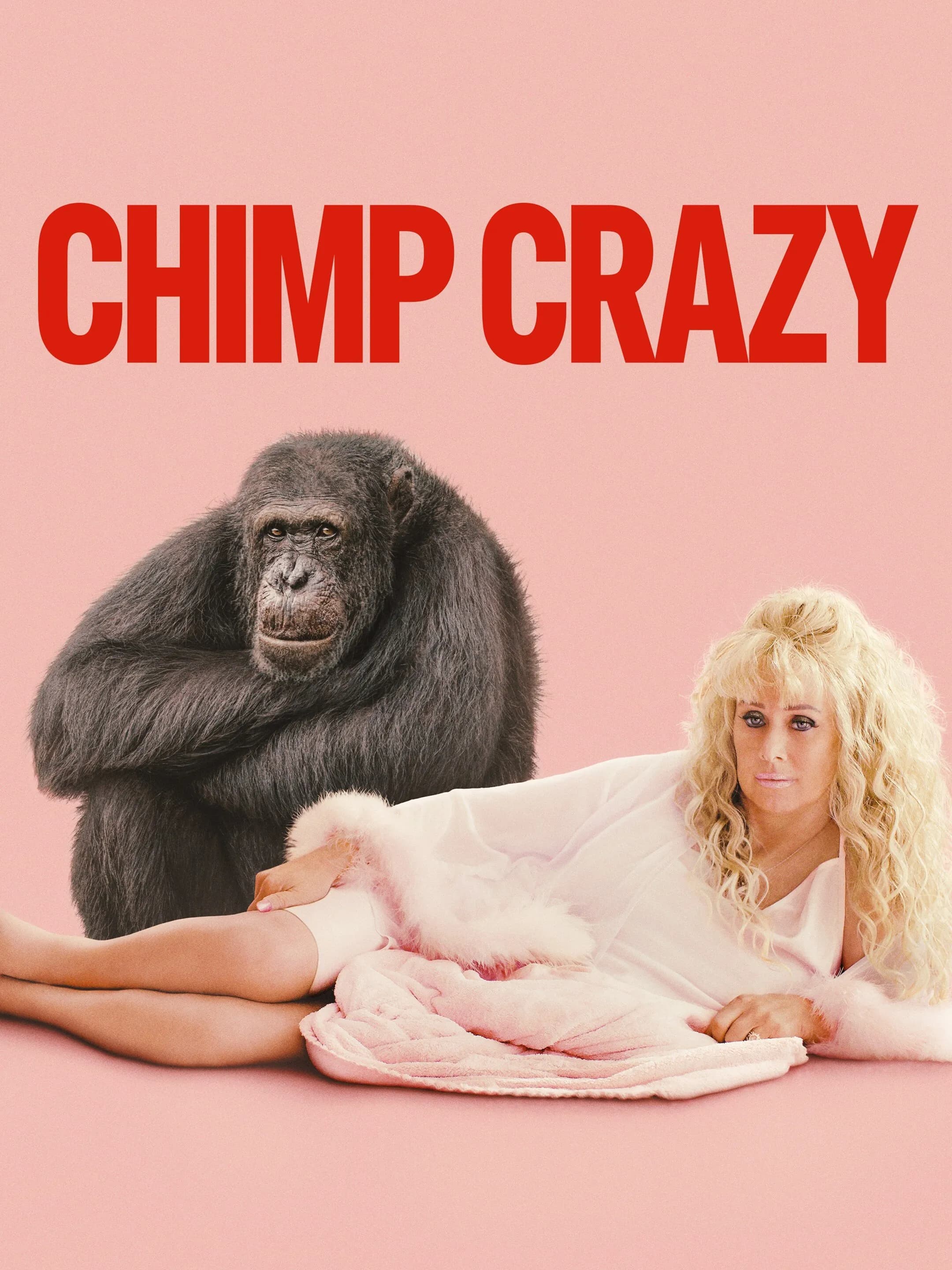
Chimp Crazy is a 2024 HBO Max documentary series about Tonia Haddix, a Missouri exotic-animal operator, and her years-long legal battle with PETA over a chimpanzee named Tonka. Directed by Eric Goode — the filmmaker behind the hit series Tiger King — the four-part series charts how a civil animal-welfare dispute escalated into a federal criminal case after Haddix allegedly lied to a judge, claiming Tonka had died, while secretly keeping the chimpanzee hidden in a basement cage at her property near the Lake of the Ozarks. The series premiered on HBO and HBO Max on August 18, 2024, and quickly drew comparisons to Tiger King for its stranger-than-fiction subject matter and its eccentric central figure.
The Case
The legal origins of Chimp Crazy stretch back to the Missouri Primate Foundation, a now-defunct facility in Festus, Missouri, where Haddix worked as an animal broker and operator, housing chimpanzees — some of which had previously appeared in entertainment — in private captivity. PETA filed civil litigation challenging the conditions under which the animals were kept, ultimately winning a court order in 2021 that required the chimps to be transferred to the Center for Great Apes, an accredited sanctuary in Florida.
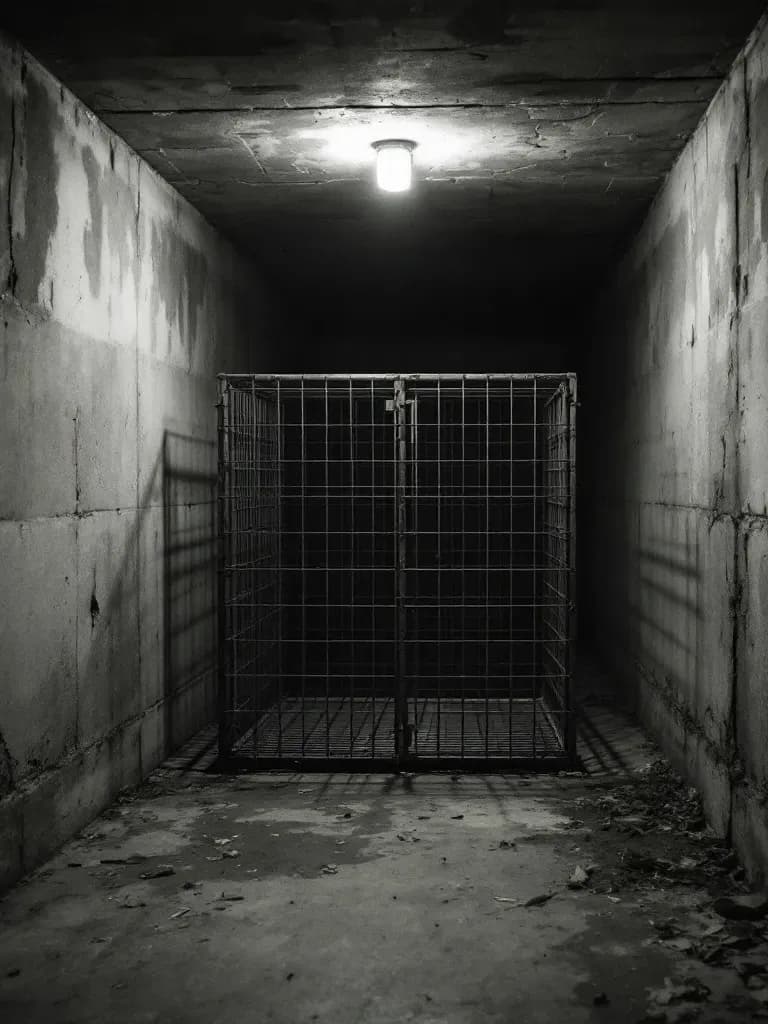
Haddix complied with the transfer for some of the animals, but told the court that Tonka, one of the most prominent chimpanzees in her care, had died before he could be moved. The claim was false. In June 2022, investigators acting on tips located Tonka alive and in poor conditions inside a basement cage at Haddix's property near Sunrise Beach, Missouri, in the Lake of the Ozarks region. The animal was subsequently seized and transported to the sanctuary as originally ordered.
The discovery prompted the presiding federal judge to refer the matter to federal prosecutors for criminal investigation. The resulting case, United States v. Tonia Haddix, charged Haddix with lying under oath about Tonka's death and obstructing the civil court proceedings. Named in PETA's additional filings as participants in the concealment scheme were Jerry Aswegan, Haddix's husband, and Cy Vierstra, though the available reporting does not confirm criminal convictions for either man.
Haddix's situation grew significantly worse after the documentary aired. PETA used statements and footage from *Chimp Crazy* itself to file a new court motion, arguing that material Haddix had provided to the filmmakers — including her own on-camera admissions — constituted evidence of additional perjury and violations of court orders. The documentary, in an unusual legal twist, became part of the prosecution record against its own subject.
In March 2025, Haddix pleaded guilty to two felony counts of perjury and one felony count of obstruction of justice, forgoing a full trial. In August 2025, a federal judge sentenced her to 46 months in federal prison and three years of supervised release. She was also ordered to pay PETA $224,000 in restitution, a figure reflecting the costs PETA incurred in pursuing the civil and criminal proceedings.
Tonka, the chimpanzee at the center of the case, is understood as the primary victim in the criminal sense — the concealment, the perjury, and the obstruction were all directed at preventing his court-ordered transfer to a sanctuary environment. The broader civil case had also involved multiple other chimpanzees formerly held at the Missouri Primate Foundation.
Production
Chimp Crazy was directed by Eric Goode, who is best known for co-directing Tiger King: Murder, Mayhem and Madness (2020), the Netflix phenomenon about exotic big-cat keeper Joe Exotic. Goode's involvement signals a clear thematic throughline: private exotic-animal ownership in the United States, the eccentric and sometimes criminally reckless individuals it attracts, and the legal and ethical battles waged by animal-rights organizations against them.
The series runs across four episodes and draws on what appears to be substantial direct access to Haddix herself, including on-camera interviews in which she makes statements that would later be used against her in federal court. That level of subject access — and the legal consequences it ultimately produced — makes Chimp Crazy an unusually self-implicating documentary: Haddix's apparent willingness to speak candidly on camera contributed materially to her own prosecution.
The series was released through HBO and HBO Max, positioning it as prestige nonfiction programming rather than streaming filler, and it attracted the kind of mainstream press attention typically reserved for major crime documentaries.
Reception
Public and critical reaction to Chimp Crazy followed the pattern established by Tiger King: widespread fascination with the outlandish central figure, debate about the ethical dimensions of private exotic-animal keeping, and a certain dark humor about how completely Haddix's scheme unraveled. Reviews described the story as a wild cat-and-mouse conflict between Haddix, the courts, and PETA, with Tonka serving as the emotional and legal center of the story.
Haddix was broadly framed in social media and mainstream news coverage as the documentary's clear villain — a characterization reinforced by her subsequent guilty plea and prison sentence. ABC News and other outlets ran segments specifically highlighting the irony of documentary footage being used to prosecute its own subject.
A notable point of controversy was the documentary's implicit role in the legal proceedings: critics and legal commentators noted that Goode's film gave Haddix a platform she apparently used to make additional incriminating statements, raising questions about the responsibilities of documentary filmmakers when their subjects are active targets of litigation. PETA, for its part, had no objection — the organization actively cited the series in its court filings.
No formal Rotten Tomatoes or Metacritic consensus score is available in the sourced reporting for this article.
The Case Today
As of the most recent available reporting, Tonia Haddix has been sentenced and is serving her federal prison term of 46 months following her March 2025 guilty plea. The Guardian reported her sentencing in August 2025, confirming the nearly four-year term and the $224,000 restitution order payable to PETA.
Tonka was successfully relocated to the Center for Great Apes in Florida following his seizure in June 2022. The Missouri Primate Foundation no longer operates. The case has become a reference point in ongoing advocacy debates about the regulation of private exotic-animal ownership in the United States, and Chimp Crazy continues to be cited as a cautionary example of how documentary subjects can inadvertently build the prosecution's case against themselves.