arson attack
Everyday term for deliberate fire-setting, prosecuted as arson under §§ 180–181
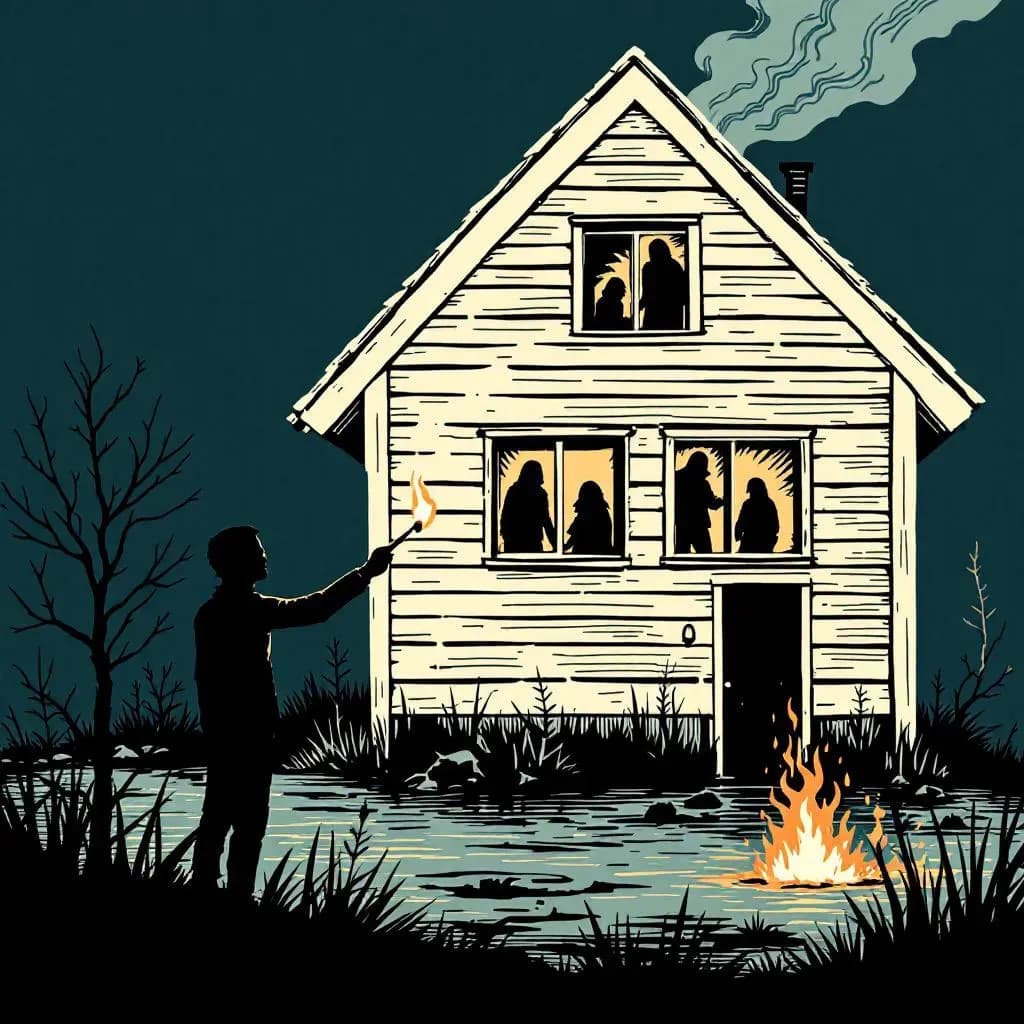
An arson attack is the deliberate setting of a fire, typically directed at people, buildings or other property. Under Danish criminal law, "arson attack" is not an independent legal term; the act is dealt with as arson under the provisions of the Danish Penal Code (straffeloven).
Danish law distinguishes between two main forms of arson. The most serious form is governed by the Penal Code § 180, which applies to a person who intentionally sets fire to their own or another's property where this creates a danger to the life or limb of others, or where there is a risk of extensive damage to the property of others. This form can be punished by imprisonment for up to life, reflecting the legislature's view of the gravity of the danger involved.
Less serious instances of arson are handled under the Penal Code § 181, which carries a lower sentencing range. This covers situations in which the fire-setting does not involve the same degree of danger to human life or property.
The term arson attack is often used in the media and in everyday speech when a fire is presumed to have been set deliberately as part of an attack or an act of revenge. In a legal context, however, the prosecution will bring charges of arson under the relevant sections of the Penal Code, depending on the specific circumstances and the danger created.