Podcast
•May 8, 2026
Podcast Exposed Ken Jebsen's Radicalization
Award-winning 'Cui Bono' series documents how Berlin radio host became conspiracy theorist
Ken Jebsen was one of Berlin's most popular radio hosts throughout the 2000s. At the microphone of "Radioeins — the good morning" on rbb Radioeins, he built a loyal listener base with his provocative, freewheeling style and progressive approach to broadcasting. But his career collapsed suddenly on March 1, 2011, when rbb fired him following antisemitic remarks on air.
The dismissal became the turning point that would transform Jebsen from a modern radio iconoclast into an extremist video producer. Rather than reflect on his behavior, he embraced conspiracy theories to explain his downfall. He constructed a narrative where established media, including rbb, were part of a global conspiracy against him and "the truth."
In 2012, Jebsen launched KenFM on YouTube and as a podcast. Without traditional journalism's quality controls, he quickly reached hundreds of thousands of followers. His content blended legitimate system criticism with wild theories, academic language with baseless speculation.
The podcasts and videos appealed to people who felt marginalized by mainstream media. The echo chamber grew, and Jebsen became a guru for a subculture that saw itself as "awakened" compared to a sleeping population.
With the COVID-19 pandemic in 2020, Jebsen's influence reached its peak. He massively spread misinformation about the virus, vaccines, and alleged masterminds behind the pandemic. He appeared at Querdenken demonstrations, where peaceful critics of measures met actual nazis—an environment that Jebsen's presence legitimized.
Millions of people regularly consumed his content, and many were drawn into conspiracy theories and digital radicalization processes, making it difficult to escape.
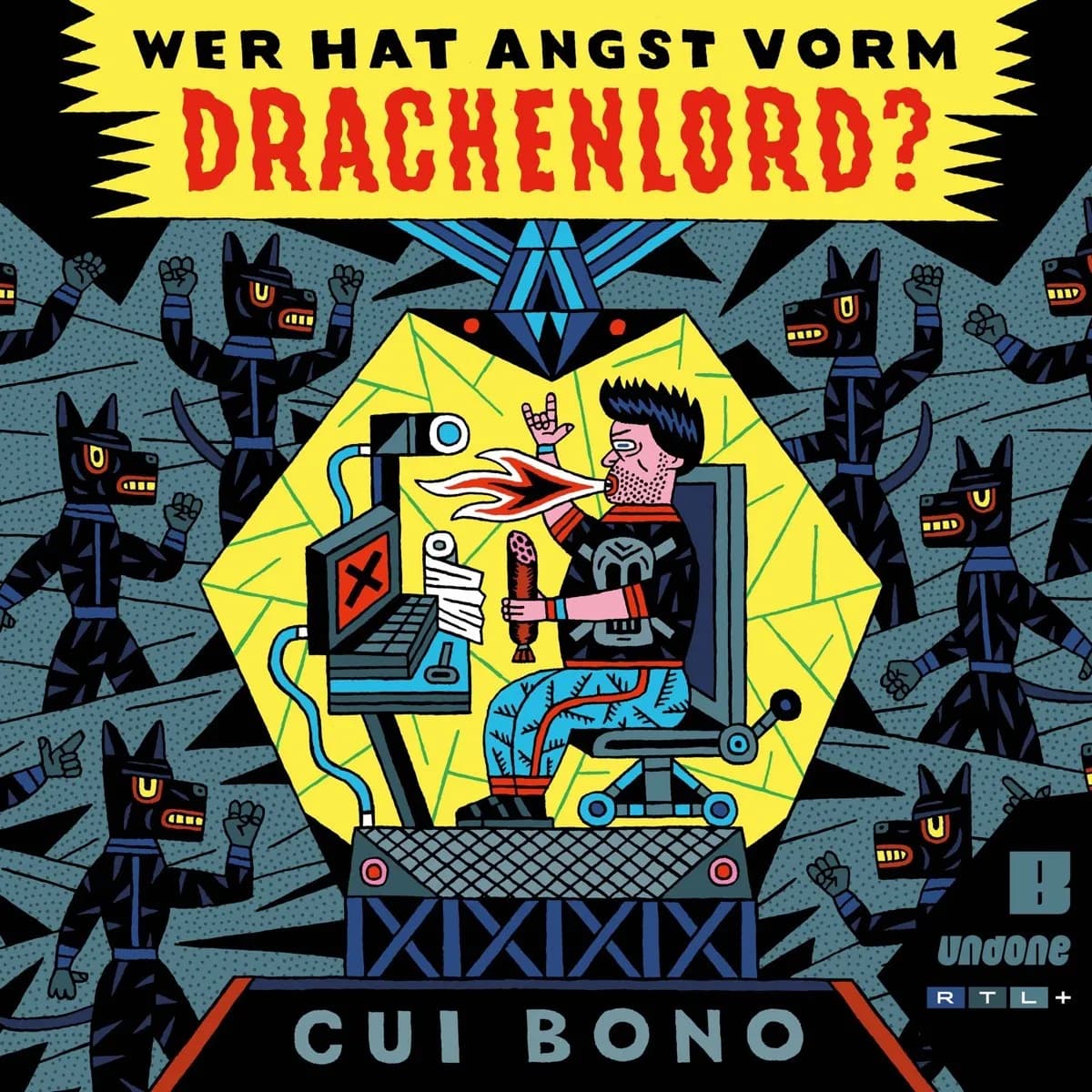
In January 2022, ARD did something unusual: journalist Khesrau Behroz produced a podcast series documenting Jebsen's radicalization. "Cui Bono"—Latin for "who benefits?"—was not a superficial attack, but rather a meticulous forensic analysis of how an intelligent, charismatic person became an extremist himself.
Behroz spoke with Jebsen's family, former colleagues, psychologists, and former fans. He reconstructed his digital footprint, quoted from videos, and analyzed the mechanisms behind radicalization: grievance and narcissism, economic incentives and the internet's unlimited reach.
The series was methodologically brilliant. It showed how Jebsen deliberately spread false information, how he redefined criticism as "censorship," and how he manipulated his audience by making them feel "awake."
"Cui Bono" became a phenomenon. The series quickly ranked among Germany's most-listened podcasts—proof that audiences seek in-depth explanations of extremism.
The podcast sparked an important discussion: How do people become radicalized online? Who bears responsibility? The platforms? Content producers? Audiences? How do journalists report without amplifying conspiracy theories? responsibility and power of digital platforms became a central debate.
Ken Jebsen is not imprisoned and has not planted bombs. His "crimes" are ideological in nature. But his reach and influence on thousands makes him a case study for a core problem of our time: the ability of individuals to reach and manipulate millions through digital channels without the accountability of traditional media.
"Cui Bono" demonstrates something crucial: radicalization is not a sudden phenomenon. It is a process that is recognizable, documentable, and possibly preventable—if we simply choose to look.
Get an email when a new episode of Podcast Exposed Ken Jebsen's Radicalization is released.