The Anatomy of Evil: Inside a Danish Study of Human Atrocity
A 2005 Nordic documentary examines what drives ordinary people to commit mass murder and genocide
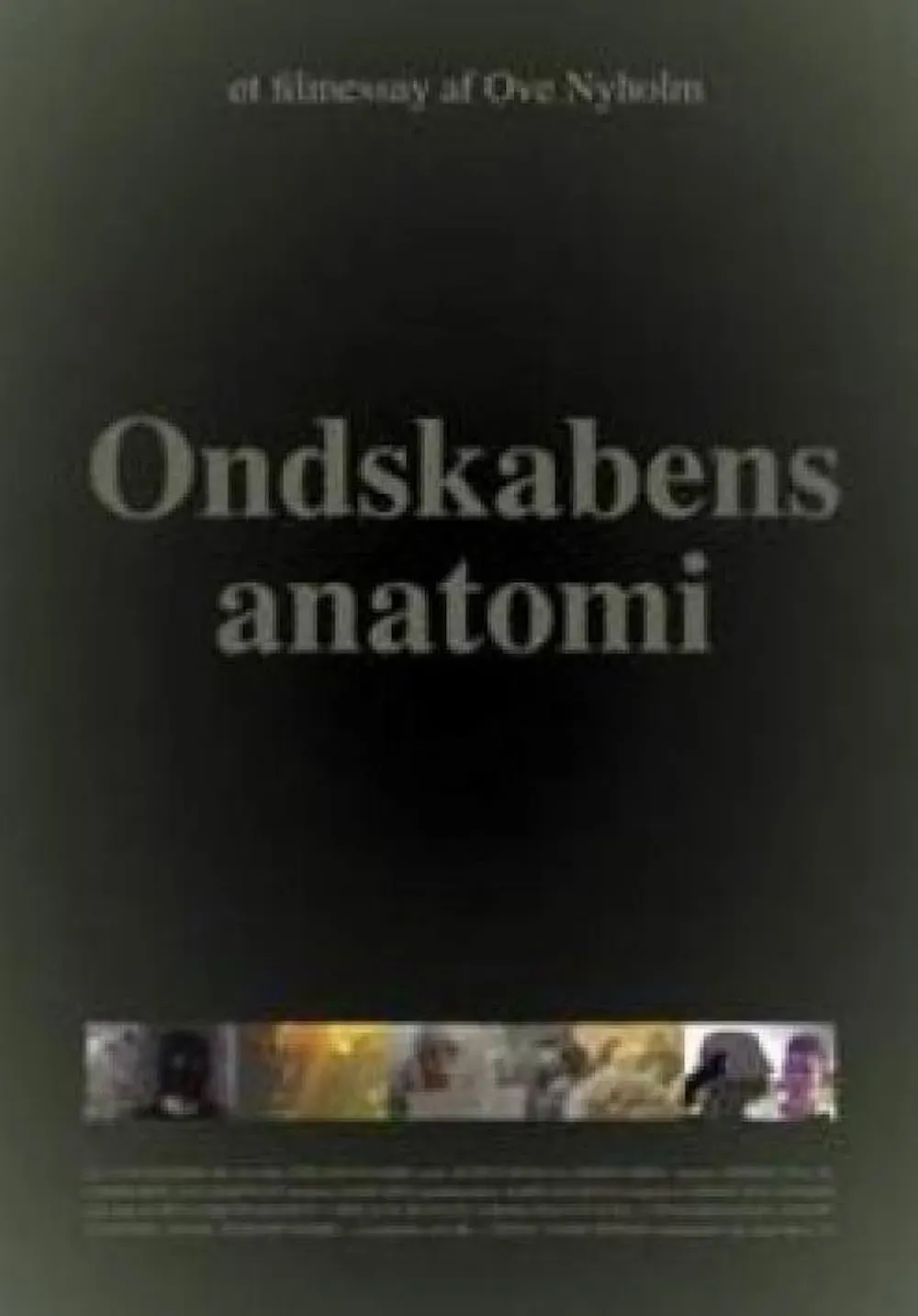
Danish director Ove Nyholm's documentary The Anatomy of Evil premiered at the Copenhagen International Film Festival on November 6, 2005, before opening theatrically across Denmark two weeks later. The 93-minute film, produced by Digital Film and distributed internationally by Angel Films, represents a collaborative effort between Denmark, Norway, and Iceland—three Nordic nations united in examining humanity's capacity for systematic cruelty.
The film's central premise is deceptively simple yet profoundly unsettling: what transforms ordinary human beings into perpetrators of genocide, torture, and mass murder? Rather than offering academic abstractions, Nyholm grounds his investigation in primary sources—direct interviews with executioners and war criminals who recount their experiences and motivations. These testimonies form the documentary's backbone, providing firsthand accounts of how individuals justify, rationalize, or simply carry out acts of unimaginable violence.
Themed around keywords of genocide, evil, war, and war crimes, the documentary resists easy moral certainty. It does not position itself as a condemnation from on high but rather as an unflinching inquiry into the psychological mechanisms that enable atrocities. By allowing perpetrators to speak—to explain their own understanding of their actions—Nyholm creates space for viewers to grapple with uncomfortable truths: that evil is rarely the province of cartoon villains, but often the result of circumstance, ideology, obedience, or psychological compartmentalization.
The technical execution reflects the ambitions of early-2000s documentary filmmaking. Cinematographer Dan Holmberg and Dirk Brüel captured material on 35 mm color film, granting the work a formal gravitas. Editor Ghita Beckendorff structured the narrative across 2,530 meters of film, while sound designer Morten Green layered the audio landscape. The collaboration of Danish producers Mogens Glad, Poul Erik Lindeborg, and Janne Giese ensured the film reached Nordic audiences and, through Angel Films' international sales division, global viewers.
The Danish Film Institute rated the documentary suitable for viewers aged 15 and above—a classification reflecting its serious, adult-oriented engagement with violence and morality rather than graphic depiction. The film found its initial platform through the Cinemateket screening as part of the "Ondskab" (Evil) series at CPH:DOX International Film Festival, positioning it within a curated examination of evil as a thematic concern in cinema.
More than a decade and a half after its release, The Anatomy of Evil remains relevant to ongoing debates about accountability, psychology, and the banality of evil. It arrives at a moment when documentaries increasingly turn toward perpetrators' perspectives—a shift that has proven both illuminating and controversial. Nyholm's approach of allowing war criminals and executioners to narrate their own stories neither excuses nor sensationalizes; instead, it insists that understanding evil requires listening to uncomfortable testimony.
The film's Nordic production context is significant. Denmark, Norway, and Iceland, while not directly affected by the genocides and mass atrocities explored in the documentary, share a historical commitment to international justice and human rights. Their collaborative effort on this project signals a regional concern with comprehending systematic violence—relevant to European history, international law, and ongoing conflicts worldwide.
For true crime audiences, The Anatomy of Evil offers something distinct from conventional crime documentary. It eschews narrative sensationalism in favor of philosophical inquiry, prioritizing the "why" and "how" over the "what." It is a film for viewers willing to sit with moral ambiguity and psychological complexity, to question their own assumptions about evil, and to recognize that understanding atrocity requires difficult conversations with difficult people.
**Sources**
https://www.dfi.dk/en/viden-om-film/filmdatabasen/film/ondskabens-anatomi-0 https://www.docsonline.tv/anatomy-of-evil/ https://mubi.com/en/us/films/the-anatomy-of-evil https://tv.apple.com/us/movie/anatomy-of-evil/umc.cmc.6blao4x3q29r2m5dj7d94y6s7 https://www.idfa.nl/en/film/fe4a8477-ea80-4f53-b476-d1fb74390223/the-anatomy-of-evil