War crimes
Understanding the most serious violations in war and the complex path to prosecution

Definition
War crimes: From torture to mass killings. Understand the brutal crimes in wartime, the difficult investigation, and the hunt for accountability.
Understanding the most serious violations in war and the complex path to prosecution
What is a war crime and what does it involve?
Within the true crime genre, war crimes are some of the most serious violations of international laws and conventions, committed during armed conflicts, and often represent the darkest side of human behavior. These acts differ from ordinary crimes due to their direct connection to acts of war or occupation. They encompass a broad spectrum of atrocities targeting both combatants and, especially, civilians, including torture, mass killings such as summary executions or systematic killings, rape used as a weapon of war, deliberate attacks on civilian targets like hospitals and schools, or the use of prohibited weapons. At the core of a war crime is the systematic or isolated disregard for the rules – often termed the laws of war – designed to limit the brutality of war and protect non-combatants.
Courtrooms: Why investigating war crimes is complex
The investigation of these crimes is typically extremely complex and takes place under difficult conditions. It often involves collecting evidence in war-torn zones, potentially long after the events themselves. The perpetrators responsible, often termed war criminals, can range from individuals to state leaders and military commanders who have either ordered, permitted, or themselves carried out the acts. This places significant demands on both the gathering of evidence and subsequent prosecution. Understanding war crimes is central for those interested in true crime, as it sheds light on crime at a state or group-organized level. Here, solving and prosecuting cases frequently requires international cooperation and the establishment of special international tribunals or courts.
Why fighting impunity in global war crimes is crucial?
These cases highlight not only the inhuman suffering inflicted upon victims but also the ongoing global struggle for justice and accountability, even when the crimes are committed in the chaos of war. The nature and scale of war crimes serve as a constant reminder of the importance of upholding and enforcing international humanitarian law. Their continued relevance underscores the urgent need to meticulously document, thoroughly investigate, and consistently prosecute such acts. The goal is to combat impunity for war crimes and contribute to a more just world where the protection of human life is prioritized, even during conflict.
What do war crimes look like in reality, from attacks on civilians to legal proceedings against powerful perpetrators? Delve into real-life war crime cases – find our compelling cases below.
Read more
The John Demjanjuk Case — Nazi Camp Guard Prosecution
The Demjanjuk case is a decades-long U.S., Israeli, and German prosecution of a Cleveland autoworker accused of serving as a Nazi camp guard at Sobibor and other camps during WWII.
Billy Hayes: The Midnight Express Smuggler Who Escaped Turkey
William 'Billy' Hayes was arrested in 1970 at Istanbul Airport attempting to smuggle hashish out of Turkey. His subsequent imprisonment, daring escape, and the controversial film adaptation made his case one of the most infamous drug smuggling stories in history.
Colditz Castle: From Royal Residence to Escape-Proof POW Camp
Perched 400 feet above the Mulde River in eastern Saxony, Colditz Castle housed some of World War II's most determined escape artists. Between 1939 and 1945, over 130 prisoners attempted to flee the supposedly inescapable fortress, with dozens succeeding against overwhelming odds.
Related articles

The Devil Next Door
The Devil Next Door is a Netflix documentary series about the war-crimes case against John Demjanjuk, a Cleveland autoworker accused of being the notorious Nazi guard 'Ivan the Terrible.'

The Line
The Line is an Apple TV+ documentary series about the war crimes allegations against U.S. Navy SEAL Team 6 operator Eddie Gallagher and the military justice case that divided America.

When Broken Glass Floats
Chanrithy Him's memoir recounts the destruction of her middle-class Cambodian family under the Khmer Rouge regime, enduring forced labour, famine and successive devastating losses throughout the late 1970s. Told through the eyes of a child who survived, the book offers an intimate, quietly devastating testament to genocide, resilience and the enduring search for meaning after catastrophic loss.
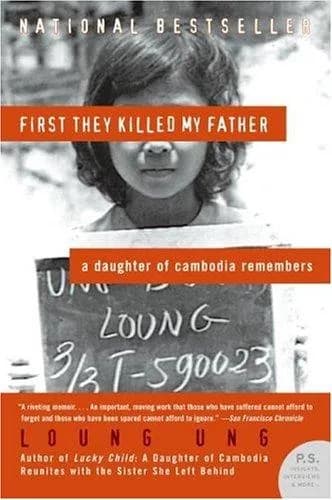
First They Killed My Father
Loung Ung's harrowing memoir recounts her survival of the Khmer Rouge genocide in 1970s Cambodia as a young child, separated from her family, starved, brutally disciplined and eventually pressed into a children's work brigade. Written with searing immediacy, the book bears essential witness to mass atrocity and the fragile resilience that carried her through Cambodia's killing fields.

Black Hearts
Jim Frederick reconstructs the 2006 rape and murder of an Iraqi girl and her family by US soldiers in the 'Triangle of Death.' The book examines the breakdown of an overstretched platoon and the war crimes born of combat, neglect and rage.

The Lost Executioner
Photojournalist Nic Dunlop recounts how he tracked down Comrade Duch, the Khmer Rouge commandant who ran Cambodia's Tuol Sleng extermination prison, living under a false identity as a Christian aid worker. The book interweaves the author's personal search with the history of the Cambodian genocide, confronting an architect of mass murder who expressed only selective remorse.
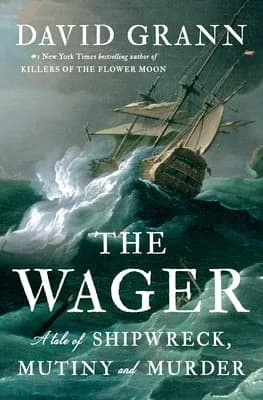
The Wager
David Grann recounts the 1741 wreck of HMS Wager off the Patagonian coast and the harrowing descent of its survivors into mutiny, starvation and murderous rivalry. The narrative reconstructs an imperial scandal that unfolded across two competing accounts of authority, loyalty and survival, where truth itself became contested testimony before the Admiralty.

The John Demjanjuk Case — Nazi Camp Guard Prosecution
The Demjanjuk case is a decades-long U.S., Israeli, and German prosecution of a Cleveland autoworker accused of serving as a Nazi camp guard at Sobibor and other camps during WWII.
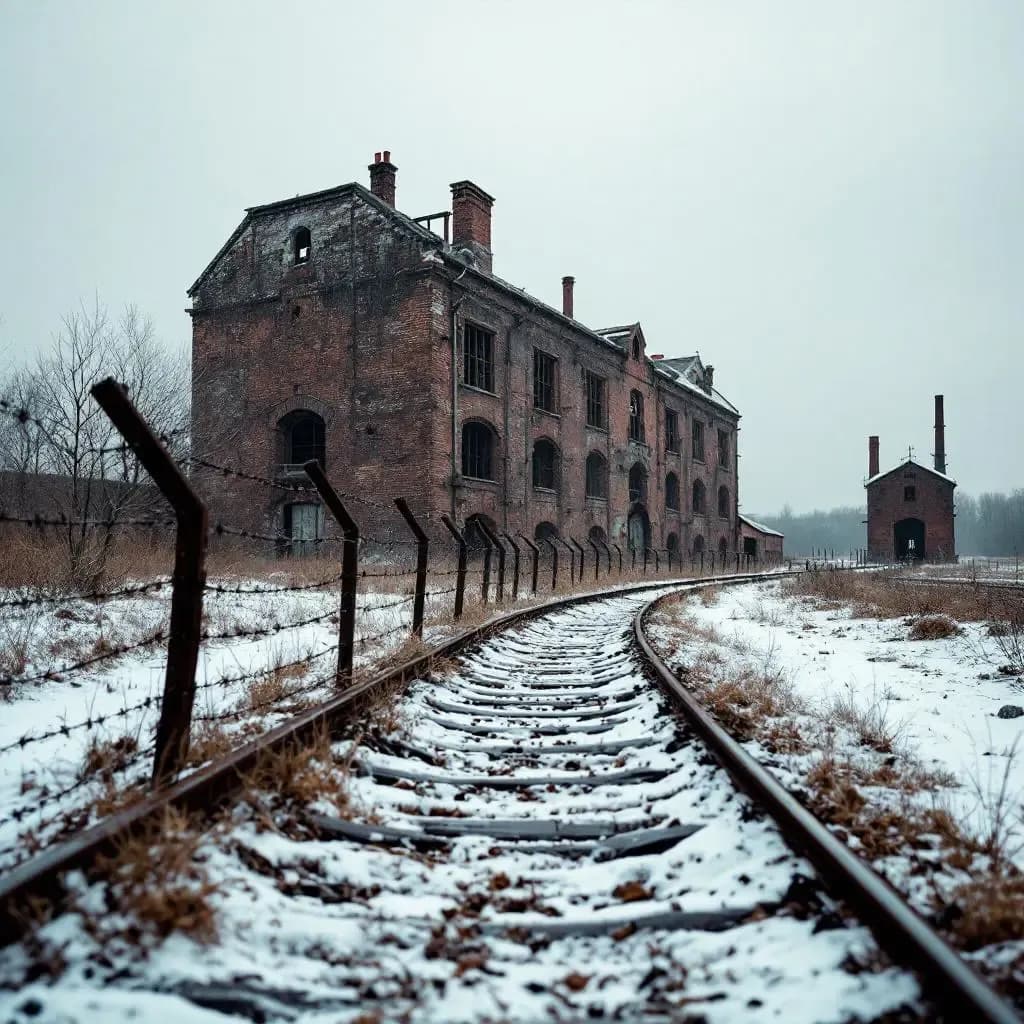
Krakow's Darkest History: Schindler's Factory, Auschwitz and War Crimes
From the factory floors where Oskar Schindler saved 1,200 Jews to the death camp at Auschwitz-Birkenau — Krakow holds the weight of the Holocaust in stone and silence.

Defining Cases in European Crime History
From Cold War assassinations to coordinated terror attacks, from serial killers to landmark corruption scandals, these cases — selected by the truecrime.news editorial team as the crimes that most profoundly shaped European criminal justice and public memory — span decades and borders, each leaving a permanent mark on how Europe understands crime, justice, and institutional accountability.

Billy Hayes: The Midnight Express Smuggler Who Escaped Turkey
William 'Billy' Hayes was arrested in 1970 at Istanbul Airport attempting to smuggle hashish out of Turkey. His subsequent imprisonment, daring escape, and the controversial film adaptation made his case one of the most infamous drug smuggling stories in history.
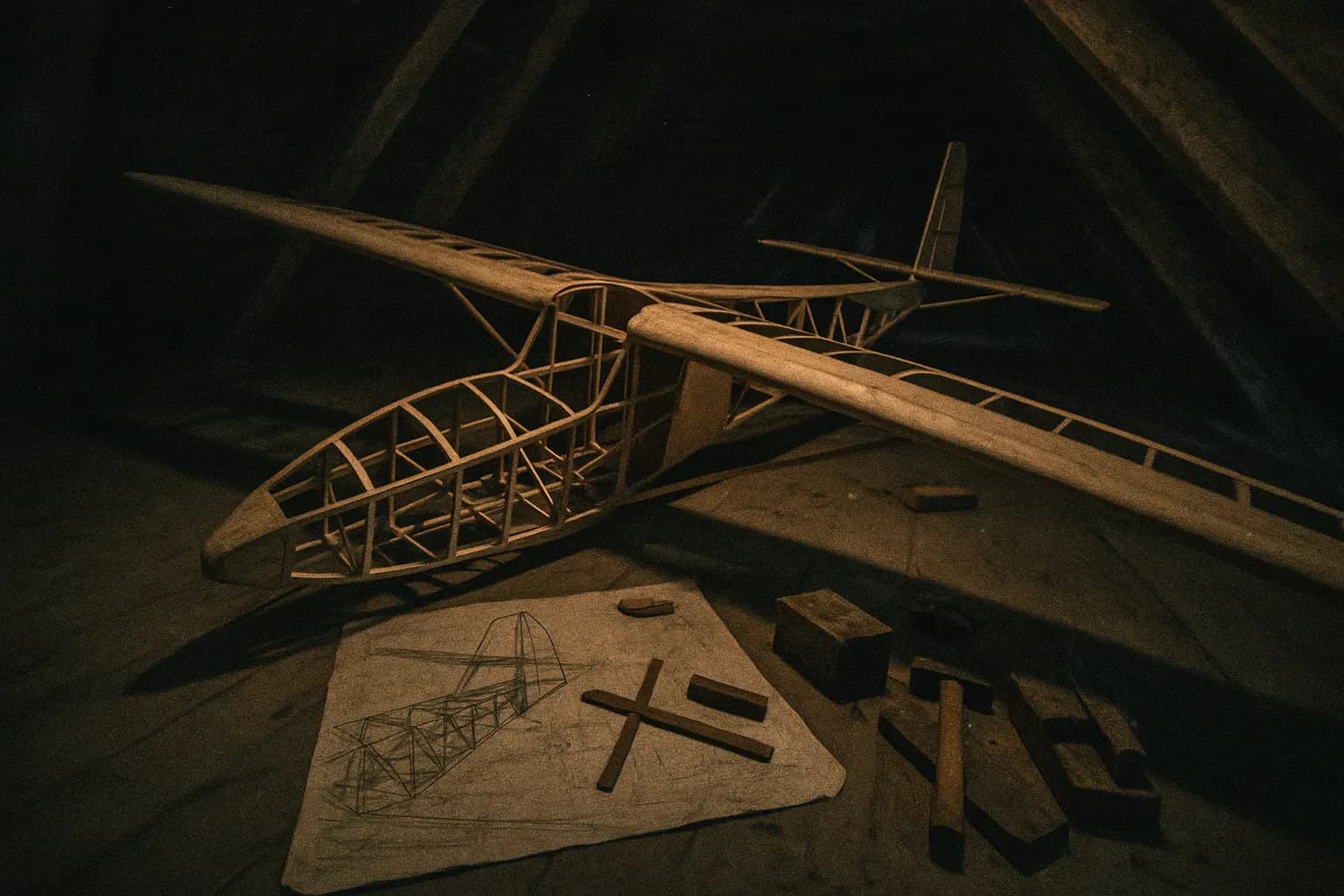
Colditz Castle: From Royal Residence to Escape-Proof POW Camp
Perched 400 feet above the Mulde River in eastern Saxony, Colditz Castle housed some of World War II's most determined escape artists. Between 1939 and 1945, over 130 prisoners attempted to flee the supposedly inescapable fortress, with dozens succeeding against overwhelming odds.