Denmark's Traffic Police on Screen: 15+ Years of Road Enforcement
How Scandinavia's longest-running police documentary reveals the hidden battles of traffic enforcement
Quick facts
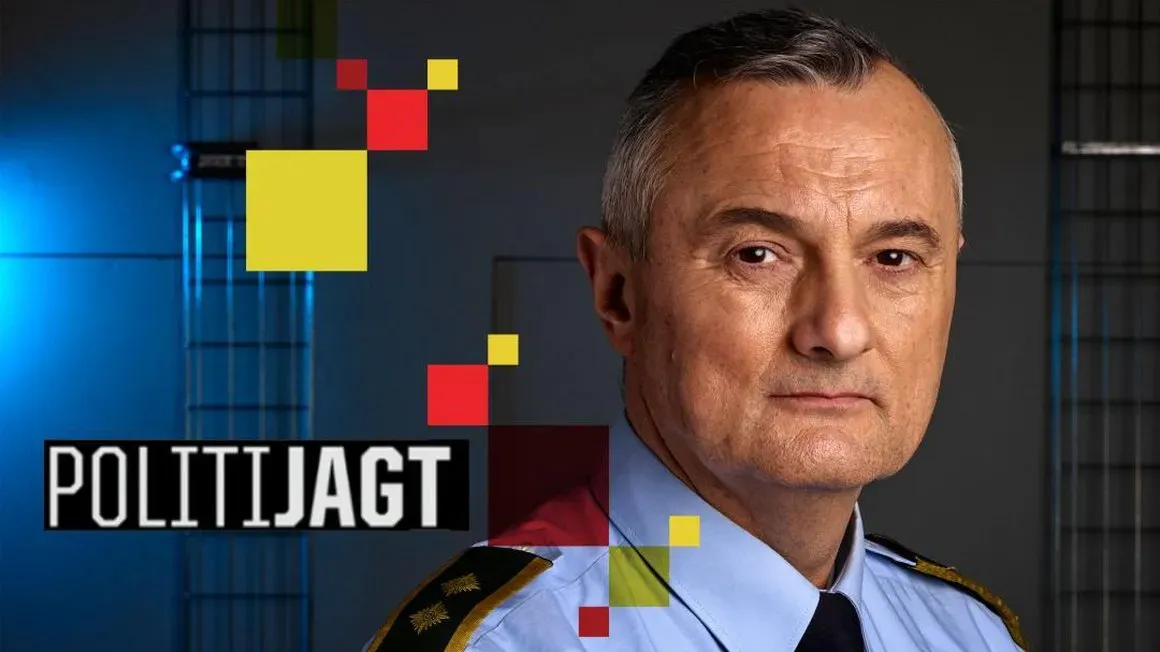
In Denmark, a country with some of Europe's strictest traffic laws and highest road safety standards, one documentary series has become a cultural fixture. Politijagt—which translates roughly to "Police Hunt"—has documented the daily work of Danish traffic police since 2009, offering a rare window into Scandinavian law enforcement priorities and methods.
The series, now entering its 31st season, airs on Denmark's Kanal 5 and streams on HBO Max, giving international audiences a chance to observe how Nordic police tackle road safety. Unlike dramatized police procedurals, Politijagt presents unscripted footage of traffic officers working across multiple Danish police districts, responding to violations ranging from minor infractions to serious criminal offenses committed on the road.
**What the Series Documents**
Danish traffic police face enforcement challenges familiar to road safety officers worldwide: drunk driving, speeding, and drug-impaired driving rank among the most serious threats tackled in the show. Politijagt also reveals the enforcement of regulations less common in other countries, such as penalties for illegal vehicle modifications—a particular concern in Scandinavian countries where customized vehicles sometimes pose safety risks.
The documentary's longevity reflects Denmark's cultural investment in road safety messaging. With strict liability laws and among Europe's lowest road fatality rates, Danish traffic enforcement serves as a model that other Nordic and European nations study. By showing this work on screen, the series reinforces public understanding of why these enforcement efforts matter.
**On the International Stage**
One of the series' most notable elements emerged when officer Vlado Lentz, a recurring figure in Politijagt, traveled to the United States to observe American traffic policing. This cross-Atlantic comparison highlighted fundamental differences between Danish and U.S. enforcement approaches—a rare documentary moment that underscored how national traffic law philosophies vary dramatically.
Denmark's emphasis on prevention and public health contrasts sharply with enforcement models in other countries. The series captures this distinctly Scandinavian approach: officers are shown prioritizing driver education and warning alongside penalties, reflecting broader Nordic criminal justice philosophy that stresses rehabilitation and deterrence over pure punishment.
**Cast and Continuity**
Over 15 years, Politijagt has built a recognizable cast of officers who have become familiar figures to Danish viewers. Beyond Lentz, officers including Henrik, Claus, Chris, Kasper, and Benjamin have appeared across multiple seasons, lending the series narrative continuity and allowing audiences to track how individual officers approach their work. This character-driven approach—unusual in documentary police programming—has helped sustain viewer interest across three decades of seasons.
**For International True Crime Audiences**
While Politijagt differs from traditional true crime content that focuses on murder investigations or criminal psychology, it offers something increasingly rare: authentic, unfiltered documentation of law enforcement in action without scripting or dramatic reenactment. For viewers interested in comparative criminology, Nordic legal systems, or how different societies approach public safety, the series provides genuine educational value.
The show's accessibility on HBO Max has expanded its international reach, making Danish policing practices visible to audiences across North America and Europe who might otherwise have little exposure to Scandinavian law enforcement methods.
**The Bigger Picture**
Politijagt's 15-year run reflects broader Scandinavian confidence in public institutions and transparency. Danish police agreed to sustained documentary coverage of their work—including moments of failure, frustration, and ethical complexity—in ways that many other countries' law enforcement agencies have resisted. This openness itself is newsworthy in an era of police accountability debates worldwide.
As Denmark continues refining road safety strategies and traffic enforcement evolves with new technology, Politijagt remains a living archive of how one Nordic nation approaches the unglamorous, essential work of keeping roads safe.