Inside Britain's Prisons: What a Notorious Inmate Revealed
Jeffrey Archer's prison diaries expose systemic failures in the UK's high-security facilities
On July 19, 2001, Jeffrey Archer was sentenced to four years in prison following a perjury conviction. The former Conservative politician and bestselling novelist entered HMP Belmarsh as Prisoner FF8282, beginning what would become a controversial firsthand account of life in Britain's prison system.
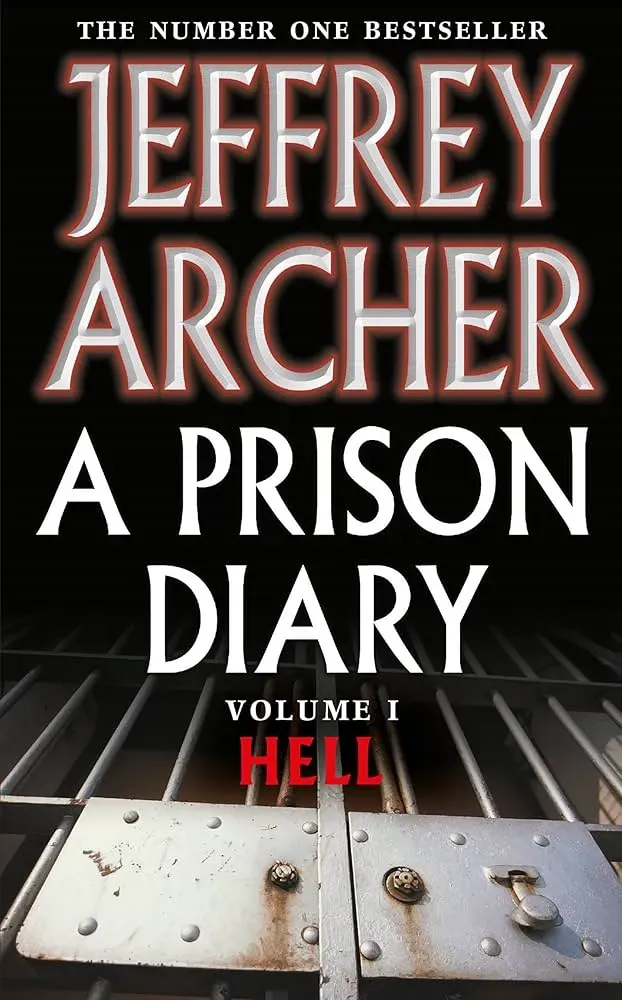
Archer's experience at Belmarsh, documented in the first volume of his "A Prison Diary" series titled *Hell*, covers his initial 22 days and 14 hours at the double A-Category high-security facility. The prison houses violent criminals and serious offenders, making it one of Britain's most restrictive institutions.
**Confined and Locked Down**
The conditions Archer described were stark. He was held in solitary confinement in a cell measuring five paces by three, locked inside for 18.5 hours daily. This extended isolation—typical for new inmates at Belmarsh—raised questions about rehabilitation versus punishment in the facility's operations.
Archer's observations extended beyond his own circumstances. He documented the troubling practice of housing first-time offenders alongside hardened criminals. A 17-year-old charged with shoplifting but not yet convicted found himself bunked with murderers and drug addicts. This proximity between vulnerable newcomers and violent offenders highlighted a significant structural problem in the prison's inmate assignment system.
**Drug Problems and Perverse Incentives**
One of Archer's more controversial observations involved drug use within Belmarsh. He noted that heroin addiction actually increased during incarceration rather than decreased. Inmates preferred heroin specifically because it could be flushed from the body within 24 hours through increased water intake—timing it to pass random and compulsory drug checks. Cannabis, by contrast, lingered in the system for weeks, making it riskier for inmates facing frequent testing. This dynamic created a perverse incentive structure where the prison's testing regime inadvertently encouraged use of the more dangerous drug.
**Violent Inmates and Threats**
Archer's diaries contained explosive claims about fellow inmates. He documented conversations with a double life-sentence prisoner who had murdered a man caught with his wife, then raped and murdered her. Most alarmingly, this inmate allegedly offered to murder a key witness from Archer's trial—a claim that raised serious questions about security protocols and inmate management.
Archer also documented conversations with a "Listener," an inmate trained by the Samaritans to provide peer support. This man's history—a childhood sex abuse victim who had been exploited as a sex slave and abused by social workers, magistrates, judges, and police—illustrated how the prison system sometimes housed profoundly damaged individuals with minimal therapeutic support.
**Official Response and Transfer**
The Prison Service challenged Archer's account. Martin Narey, head of the Prison Service, accused the author of exaggeration and self-centeredness, arguing that Archer overshadowed the experiences of more vulnerable prisoners. Narey noted that the year of Archer's incarceration saw 76 prisoner suicides, including a 17-year-old at Park prison in Wales. The dispute over Archer's narrative raised questions about whose stories get told and amplified in discussions of prison reform.
After approximately three weeks at Belmarsh, Archer was transferred following an investigation that reversed a previous decision. He subsequently served time at HMP Hollesley Bay, a lower-security D-category facility, though without access to outside work opportunities.
**Broader Implications**
While Narey highlighted Prison Service achievements—including rising prisoner employability (from 10 percent in 1996 to 27 percent by the time of Archer's incarceration) and 60,000 inmates gaining qualifications—Archer's diaries raised persistent questions about inmate safety, drug management, and the effectiveness of confinement as a rehabilitative tool.
The "A Prison Diary" series, comprising three volumes (*Hell*, *Purgatory*, and *Heaven*), became a flashpoint in public discussion about British prisons. Whether viewed as truthful exposé or sensationalized account, the books ensured that Belmarsh's operations and the broader challenges facing the UK prison system remained under public scrutiny.
**Sources**
https://en.wikipedia.org/wiki/A_Prison_Diary https://www.independent.co.uk/news/uk/crime/prisons-chief-rounds-on-archer-for-exaggerated-diary-claims-132368.html https://jeffreyarcher.com/book/a-prison-diary-1-hell/ https://howardleague.org/our-work/transform-prisons/prison-diaries/