investigation procedures
The investigative steps and procedures used by law enforcement and prosecutors to examine potential crimes, gather evidence, and prepare criminal cases for prosecution in the federal system.

Definition
Efterforskningsprocedurer (investigation procedures) refers to the systematic processes employed by federal law enforcement agencies and prosecutors to investigate suspected criminal activity, collect evidence, identify suspects, and build cases for prosecution. While not a formal legal term of art, it encompasses the full spectrum of activities from initial detection of potential criminal conduct through the preparation of charges and pre-trial procedures.
In the federal criminal justice system, investigation procedures include witness interviews, surveillance operations, execution of search and arrest warrants, forensic analysis, grand jury proceedings, and the coordination between multiple law enforcement agencies such as the FBI, DEA, ATF, and U.S. Marshals Service. These investigative activities are governed by constitutional protections including the Fourth Amendment's restrictions on searches and seizures, the Fifth Amendment's privilege against self-incrimination, and the Sixth Amendment's right to counsel.
A critical procedural component following the investigative phase is the discovery process, primarily governed by Federal Rule of Criminal Procedure 16. This rule requires the government to disclose certain categories of evidence to the defense, including the defendant's statements, criminal record, documents and tangible objects material to the defense, and results of examinations and tests. The prosecution must also comply with Brady v. Maryland obligations to disclose exculpatory evidence that is favorable to the accused.
The investigative procedures connect to formal charging decisions made by federal prosecutors and U.S. Attorneys' Offices, who determine whether sufficient evidence exists to pursue an indictment through the grand jury process or to file a criminal complaint. These procedures are designed to balance effective law enforcement with the protection of constitutional rights, ensuring that criminal prosecutions rest on lawfully obtained evidence and comply with due process requirements.
Related entries
Related articles
The Confession Killer: Henry Lee Lucas and 600 Lies
Henry Lee Lucas confessed to around 600 murders between 1983 and 1985, but investigators later determined most were fabrications. The case exposed dangerous interrogation practices that allowed a convicted killer to manipulate law enforcement across multiple states.
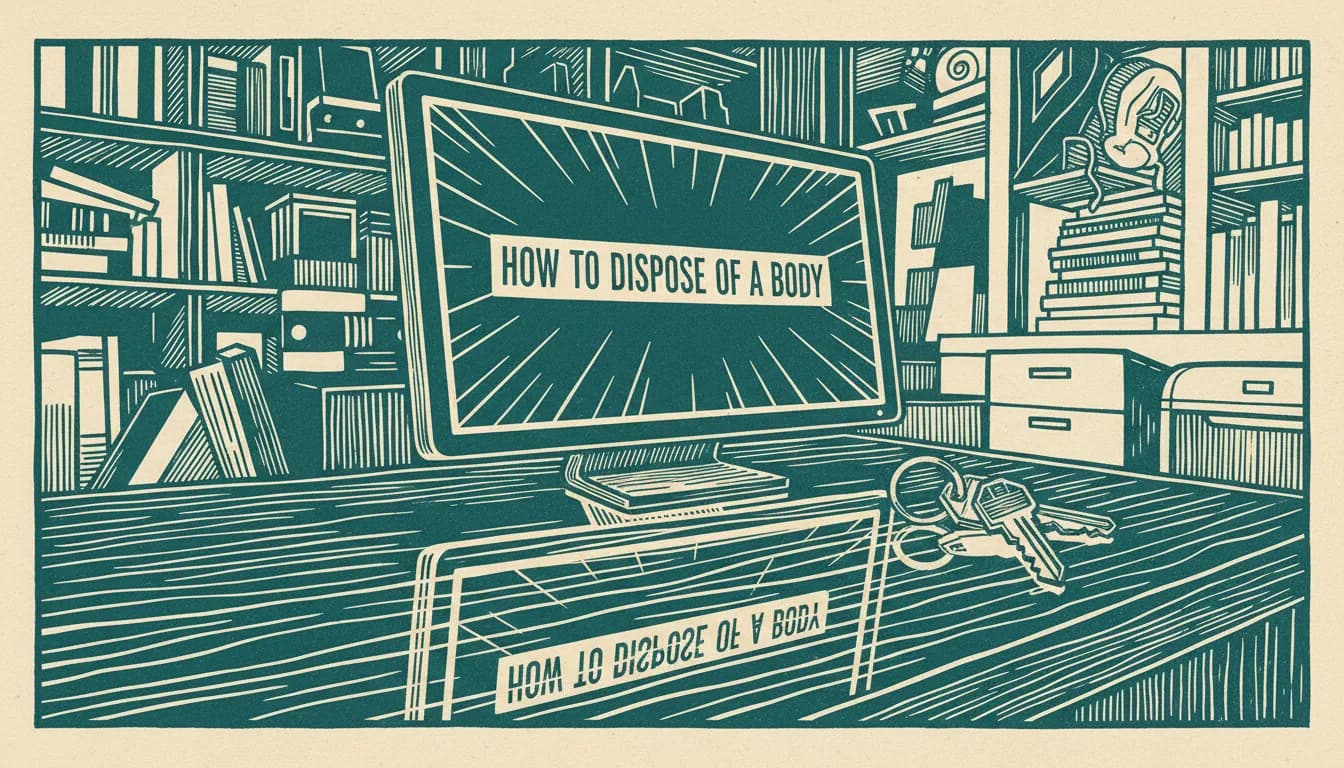
Brian Walshe: Google Searches Exposed the Murder
Brian Walshe was charged with the murder of his wife Ana Walshe, who disappeared around New Year 2022–2023. Analysis of Google searches on his son's iPad revealed queries about body disposal and forensic evidence.

UK Fraud Crisis: 2 Million Cases Half-Yearly Expose Global Weakness
The United Kingdom is experiencing an unprecedented surge in fraud crime, with 2.09 million confirmed cases reported in the first six months of 2025. The crisis reveals vulnerabilities in digital banking systems that extend far beyond British shores, prompting international law enforcement to reassess fraud prevention strategies.

Danish Stalking: Inside a Growing True Crime Problem
Denmark has developed specialized resources to address stalking cases, including dedicated centers and documented accounts of obsessive behavior. Recent cases and podcasts have brought attention to the prevalence of stalking in the Nordic country.

Copenhagen's Murder Detective Turns Poet: Inside Nordic Police Work
A senior homicide investigator from Copenhagen Police has published a genre-bending account of how Danish authorities solve murders, blending procedural detail with lyric narrative. The book offers rare international insight into Nordic criminal investigation methods and the human toll of cold cases.
JonBenét Ramsey: 28 Years of Mystery
On December 26, 1996, six-year-old JonBenét Ramsey was reported missing from her family home in Boulder, Colorado. Seven hours later, she was found dead in the basement. Nearly three decades on, her killer remains unknown.

DNA Technology Solves Indiana Serial Killer Case Decades Later
More than 25 years after human remains were discovered at Fox Hollow Farm near Indianapolis, modern DNA technology is finally identifying victims of Herbert Baumeister, a businessman who killed at least 13 men in the early-to-mid 1990s. Two more victims were confirmed in 2024 using cutting-edge forensic genome sequencing.

The Missing Matter: Investigating Decades of Disappearances
The Missing Matter, hosted by Sally Leydon, is a true crime podcast series investigating missing persons cases across Australia and internationally. Launching Season 3 in February 2026, the show combines family narratives with investigative journalism to explore cases that have gone unsolved for decades.