Forensic medicine
The medical discipline that applies clinical and scientific knowledge to investigate deaths, injuries, and other matters relevant to criminal and civil legal proceedings.

Definition
Forensic medicine (Danish: retsmedicin) is the branch of medicine concerned with the application of medical knowledge to questions of law. It encompasses the scientific examination of bodies, tissues, and biological evidence to determine cause of death, manner of death, timing of injuries, and other facts crucial to legal investigations. Forensic physicians, also known as medical examiners or forensic pathologists, perform autopsies, analyze toxicology results, and provide expert testimony in court proceedings.
In true crime cases, forensic medicine plays a critical role in establishing the facts surrounding suspicious deaths and violent crimes. A forensic pathologist may determine whether a death was natural, accidental, suicidal, or homicidal by examining wound patterns, decomposition stages, and internal organ damage. Toxicology testing can reveal the presence of drugs, poisons, or alcohol in a victim's system. Time-of-death estimation, though imprecise, helps investigators establish timelines and verify or contradict suspect alibis.
Forensic medicine extends beyond death investigation to include living victims of assault, sexual violence, and abuse. Forensic physicians document injuries, collect biological evidence such as DNA samples, and assess whether injury patterns are consistent with reported events. This documentation often becomes crucial evidence in criminal prosecutions.
In the U.S. federal system, forensic medical evidence is admissible under the Federal Rules of Evidence, particularly Rule 702 governing expert testimony. While federal criminal statutes in Title 18 do not define forensic medicine as a specific legal term, forensic medical findings frequently support prosecutions for crimes including murder, assault, drug trafficking, and civil rights violations. Federal agencies such as the FBI maintain forensic laboratories that work alongside medical examiners in major criminal investigations.
The field requires extensive medical training followed by specialized forensic pathology residency. Forensic medicine intersects with other forensic disciplines including toxicology, anthropology, odontology, and DNA analysis, forming the scientific foundation of modern criminal investigation.
Related entries
Read more
The Hamburg Acid Vat Murderer — Torsten O.
Torsten O. was a German serial killer who confessed to murdering at least 10 people in Hamburg between the 1970s and 1990s by dissolving their bodies in sulfuric acid. Operating across several decades in the industrialized city, his methodical approach to destroying evidence made him one of West Germany's most shocking criminals. His case became pivotal in advancing German forensic science and criminal investigation techniques.
The Murder of Alexandra R. — Heavily Pregnant Woman Vanished in Nuremberg
In December 2022, Alexandra R., 39 years old and eight months pregnant, disappeared from the Katzwang district of Nuremberg, Germany. Her body was never recovered. Two men have since been convicted of her murder and sentenced to life in prison.
Dr. Johannes M. Berlin — The Palliative Doctor Who Killed
Dr. Johannes M. Berlin was a palliative care physician in Germany convicted of killing several terminally ill patients by administering overdoses of morphine and other medications under the guise of pain relief. The case sparked fundamental debate about the boundary between palliative care and murder, reshaping medical ethics standards across Europe.
Related articles

Danske Drabssager: Live Podcast on the Woman in the Closet Case
The podcast episode covers the mysterious case of the woman found dead in a closet, recorded as a live event.

Danske Drabssager: Død eller levende? — Historical Case
This episode explores the historical case 'Død eller levende?', where the line between accident and crime lies at the heart of the investigation.
Mord i Nord: Episode 204: Køleskabet
This podcast episode covers the Danish case of the body in the fridge, in which a corpse was found hidden inside a refrigerator under mysterious circumstances.

LIGET I BRANDTOMTEN
Episode af Danske Drabssager om en dræbt kvinde fundet nedgravet efter en gårdbrand i 1996 — og den drejning sagen tog, da gerningsmanden havde afsonet sin straf.

Tolnebandens forsvundne offer
Episode af Danske Drabssager om en drabssag fra 1988, hvor tre berusede mænd og et brændende hævnmotiv endte med, at et lig blev gemt et særpræget sted.
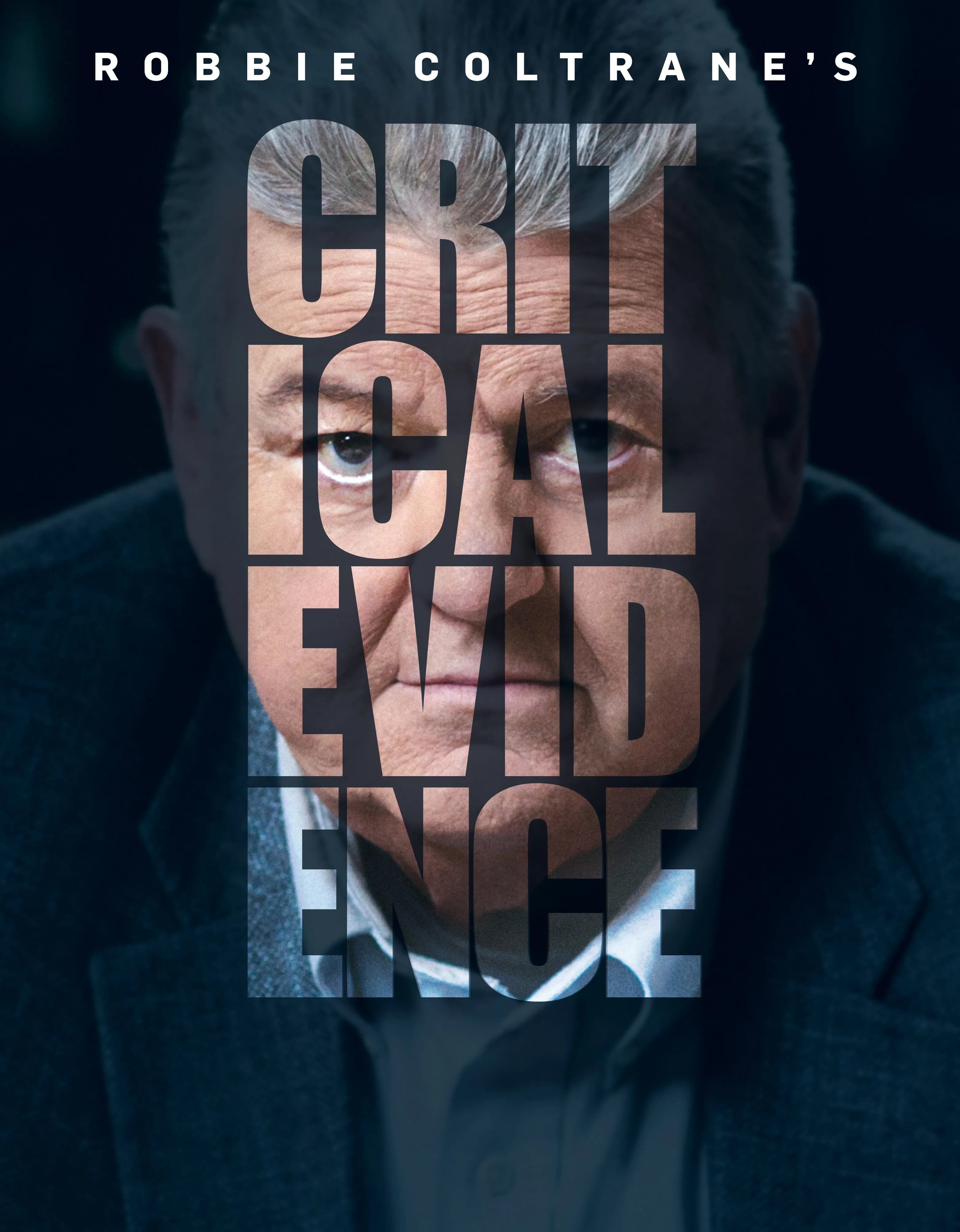
Robbie Coltrane's Critical Evidence
Eight-part British documentary series hosted by Robbie Coltrane examining baffling UK murder cases solved by critical forensic evidence. Streams on Crime+Investigation, Pluto TV and Inside Crime.
The New Detectives: Case Studies in Forensic Science
The New Detectives is a docudrama series (1996–2005) covering 118 real criminal cases solved through forensic science, streaming free on Tubi, Pluto TV, and The Roku Channel.

Danske Drabssager: Kvindemorderen
This episode of Danske Drabssager digs into the case of Kvindemorderen ("The Woman Killer"), one of Denmark's most notorious murderers.

The Hamburg Acid Vat Murderer — Torsten O.
Torsten O. was a German serial killer who confessed to murdering at least 10 people in Hamburg between the 1970s and 1990s by dissolving their bodies in sulfuric acid. Operating across several decades in the industrialized city, his methodical approach to destroying evidence made him one of West Germany's most shocking criminals. His case became pivotal in advancing German forensic science and criminal investigation techniques.

The Murder of Alexandra R. — Heavily Pregnant Woman Vanished in Nuremberg
In December 2022, Alexandra R., 39 years old and eight months pregnant, disappeared from the Katzwang district of Nuremberg, Germany. Her body was never recovered. Two men have since been convicted of her murder and sentenced to life in prison.

Dr. Johannes M. Berlin — The Palliative Doctor Who Killed
Dr. Johannes M. Berlin was a palliative care physician in Germany convicted of killing several terminally ill patients by administering overdoses of morphine and other medications under the guise of pain relief. The case sparked fundamental debate about the boundary between palliative care and murder, reshaping medical ethics standards across Europe.
7 Essential True Crime Podcasts with Forensic Focus
Forensic science has transformed true crime storytelling — from cold case DNA breakthroughs to toxicology and digital forensics. The truecrime.news editorial team has selected seven concrete podcast episodes that showcase how scientific investigation drives justice, selected for their depth of forensic detail, investigative rigor, and real-world impact.