FBI profiling
Investigative technique used by FBI behavioral analysts to infer characteristics of unknown offenders from crime scene evidence, victimology, and behavioral patterns. Not defined in federal criminal code but used as investigative tool to generate leads.
Definition
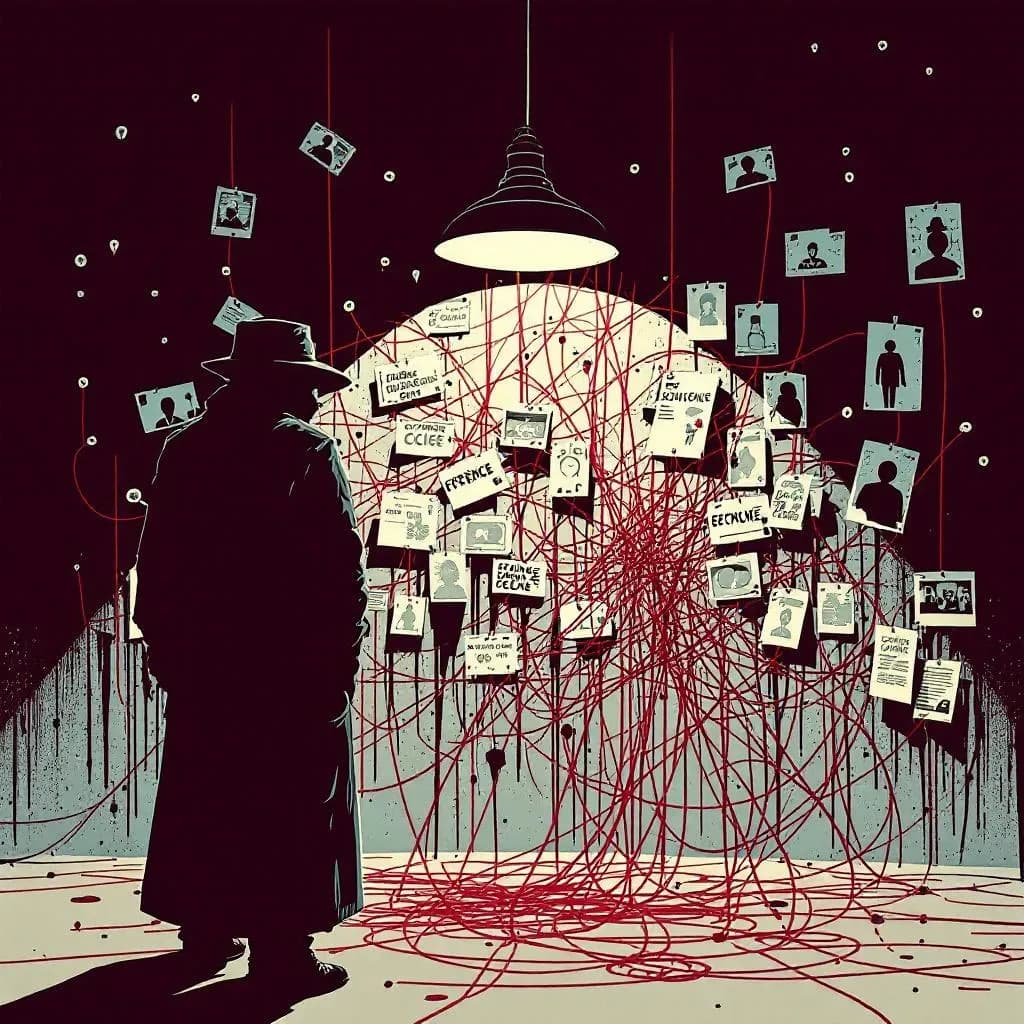
FBI profiling, more formally known as criminal investigative analysis, is an investigative technique employed by FBI behavioral analysts to infer characteristics of unknown offenders by examining crime scene evidence, victimology, and behavioral patterns. The practice involves evaluating and interpreting a suspect's actions and behavior to assist criminal investigations, primarily to generate investigative leads rather than to prove guilt.
The term itself is not defined in the U.S. federal criminal code and does not exist as a legal term of art in federal criminal law. Instead, FBI profiling operates as part of the Bureau's general federal law enforcement authority under its investigative function. The FBI's Behavioral Analysis Unit conducts this work as a specialized investigative service, though no specific statute codifies or regulates the practice by that name.
In practice, FBI profiling is used to help investigators understand offender motivation, predict likely behavior, and identify possible links between cases. The technique may assist in narrowing suspect pools, determining investigative priorities, and developing interview strategies. However, profiling results are considered investigative tools rather than evidence admissible on their own to establish guilt in court.
The methodology draws on behavioral science, forensic psychology, and case experience to develop hypotheses about unknown subjects. Analysts examine factors such as crime scene characteristics, victim selection, method of approach, and post-offense behavior to construct likely offender profiles. These profiles may suggest demographic characteristics, personality traits, behavioral patterns, or other investigative leads that can focus investigative resources more effectively.
Related entries
Related articles
Golden State Killer: Final Chapter: Joseph DeAngelo and 40 Years of Terror
Golden State Killer: Final Chapter (Crown, 2025) documents Joseph James DeAngelo's reign of terror in California from the 1970s to the 1980s. The book depicts the over 50 rapes and 13 murders committed by the former police officer, who was caught through groundbreaking DNA genealogy.
The Confession Killer: Henry Lee Lucas and 600 Lies
Henry Lee Lucas confessed to around 600 murders between 1983 and 1985, but investigators later determined most were fabrications. The case exposed dangerous interrogation practices that allowed a convicted killer to manipulate law enforcement across multiple states.
Brian Walshe: Google Searches Exposed the Murder
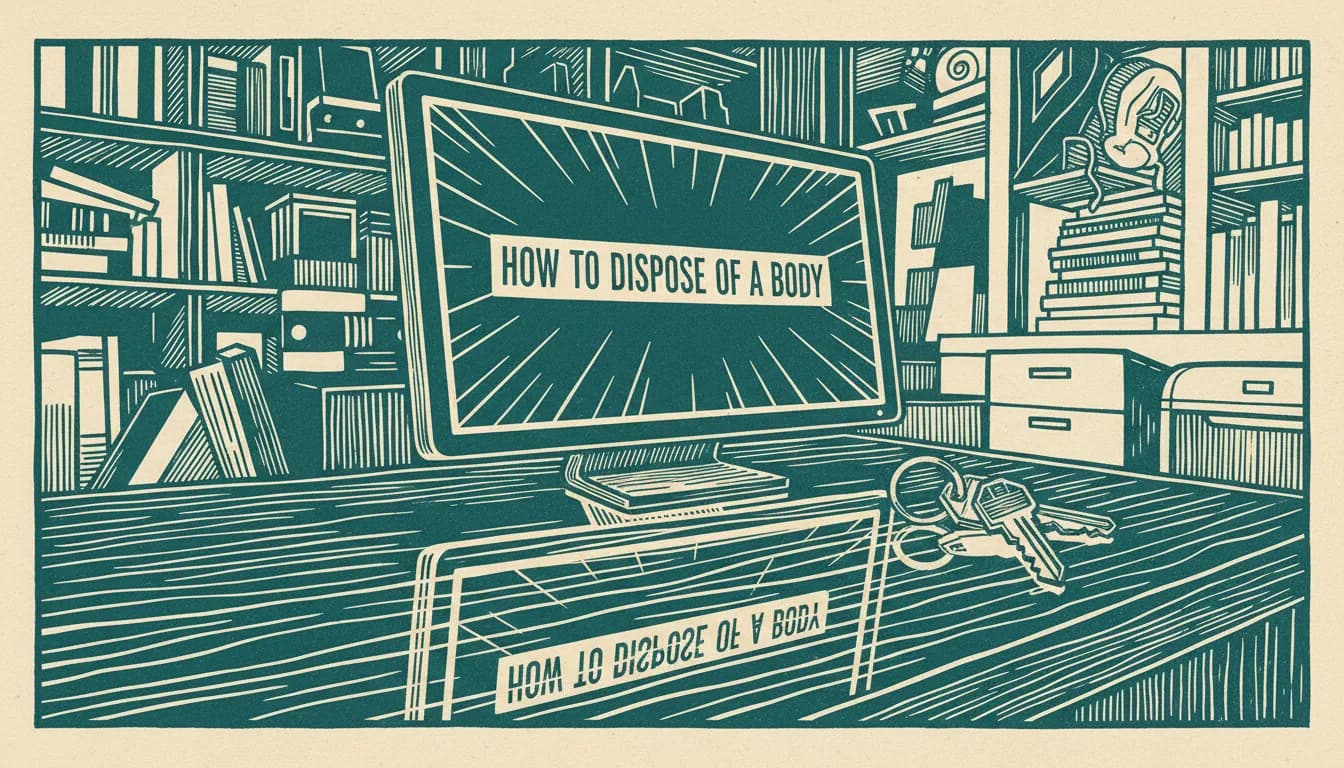
Brian Walshe was charged with the murder of his wife Ana Walshe, who disappeared around New Year 2022–2023. Analysis of Google searches on his son's iPad revealed queries about body disposal and forensic evidence.

Copenhagen's Murder Detective Turns Poet: Inside Nordic Police Work
A senior homicide investigator from Copenhagen Police has published a genre-bending account of how Danish authorities solve murders, blending procedural detail with lyric narrative. The book offers rare international insight into Nordic criminal investigation methods and the human toll of cold cases.

Ann Wolbert Burgess: Nursing Pioneer Who Reshaped Criminal Justice
Ann C. Wolbert Burgess, born in 1936, became the first woman on the FBI's Behavioral Science Unit and a pivotal expert witness in high-profile criminal trials—from the Menendez brothers case to serial killer investigations—fundamentally changing how the justice system understands trauma and criminal behavior.

The Top 5 True Crime Books on Serial Killers
From FBI profilers to investigative journalists, these five books bring readers inside the minds and crimes of serial killers — offering unflinching accounts of how monsters operate, how they are caught, and what drives them.

Gone Hunting | She Was In My Head | S4-E7
An episode of Over My Dead Body featuring an FBI profiler and a coercive control researcher offering contrasting views on Denise.