Drug lord
Understanding the powerful kingpin behind global drug trafficking and violence

Definition
Who is the drug lord? Meet the leader of global drug networks, driven by violence and corruption. Their power and brutality are central to true crime.
Understanding the powerful kingpin behind global drug trafficking and violence
What defines a drug lord? Power, violence globally
Within both true crime and criminology, a drug lord is a person who leads and controls an extensive, often international, organization focused on illegal drug trafficking. These individuals are characterized by their immense power, wealth, and influence, acquired not only through the lucrative drug trade itself but also through the systematic use of violence, widespread corruption, and intimidation to protect and expand their criminal empires. Drug lords are central figures in many true crime narratives as they personify the most sophisticated form of organized crime, where greed and brutality drive a system that destroys countless lives and undermines societal stability and the rule of law.
How the cartel operates: Smuggling to laundering
A drug lord's operations typically involve complex networks for producing, smuggling, and distributing illegal drugs across vast geographical distances. Their ability to operate across borders, infiltrate legitimate businesses for money laundering – a key aspect of associated financial crime – and bribe high-level officials makes prosecution extremely difficult. The hunt for these powerful kingpins often forms the core of true crime stories, illustrating the enormous resources and dangers authorities confront in the fight against the global drug industry. They stand as symbols of the most extreme and influential manifestations of organized crime.
Why is the drug lord central? Street to global impact
Understanding the drug lord's role is crucial for comprehending the dynamics of international organized crime and the significant challenges involved in combating it. Their activities have far-reaching consequences, ranging from street-level gang violence linked to the drug market to widespread corruption and the destabilization of entire regions. This highlights the enduring importance of focusing on these criminal kingpins and their networks, both in police investigations and in the storytelling of the true crime genre.
Did this pique your interest? Delve into real-life cases about drug lords, from international smuggling to cartel showdowns – find our exciting cases below.
Read more
Billy Hayes: The Midnight Express Smuggler Who Escaped Turkey
William 'Billy' Hayes was arrested in 1970 at Istanbul Airport attempting to smuggle hashish out of Turkey. His subsequent imprisonment, daring escape, and the controversial film adaptation made his case one of the most infamous drug smuggling stories in history.
The Cali Cartel: How a Colombian Empire Conquered Global Markets
While the Medellín Cartel made headlines with brutality, the Cali Cartel built a more sophisticated empire through corruption and strategic silence. By the mid-1990s, this Colombian organization controlled over 80% of the world's cocaine market—making it arguably the most powerful criminal enterprise ever assembled.
Naples Mafia Reaches Across Europe: Camorra's Global Empire
The Camorra, a Neapolitan organized crime syndicate, has transformed from a regional Italian threat into a transnational criminal powerhouse with operations spanning Europe, North America, and Asia. Fueled by drug trafficking, weapons smuggling, and environmental crimes, the organization generates billions annually while leaving a trail of violence that claims innocent civilians.
Related articles

Billy Hayes: The Midnight Express Smuggler Who Escaped Turkey
William 'Billy' Hayes was arrested in 1970 at Istanbul Airport attempting to smuggle hashish out of Turkey. His subsequent imprisonment, daring escape, and the controversial film adaptation made his case one of the most infamous drug smuggling stories in history.

The Cali Cartel: How a Colombian Empire Conquered Global Markets
While the Medellín Cartel made headlines with brutality, the Cali Cartel built a more sophisticated empire through corruption and strategic silence. By the mid-1990s, this Colombian organization controlled over 80% of the world's cocaine market—making it arguably the most powerful criminal enterprise ever assembled.

Naples Mafia Reaches Across Europe: Camorra's Global Empire
The Camorra, a Neapolitan organized crime syndicate, has transformed from a regional Italian threat into a transnational criminal powerhouse with operations spanning Europe, North America, and Asia. Fueled by drug trafficking, weapons smuggling, and environmental crimes, the organization generates billions annually while leaving a trail of violence that claims innocent civilians.
The Adams Family: London's Most Ruthless Drug Syndicate
Between the 1980s and 2000s, Terry, Tommy, and Patsy Adams transformed their Clerkenwell neighborhood into the headquarters of one of Britain's most powerful organized crime groups. Operating with brutal efficiency and a code of silence, the Clerkenwell Crime Syndicate controlled London's drug trade and left at least 25 murder victims in their wake.
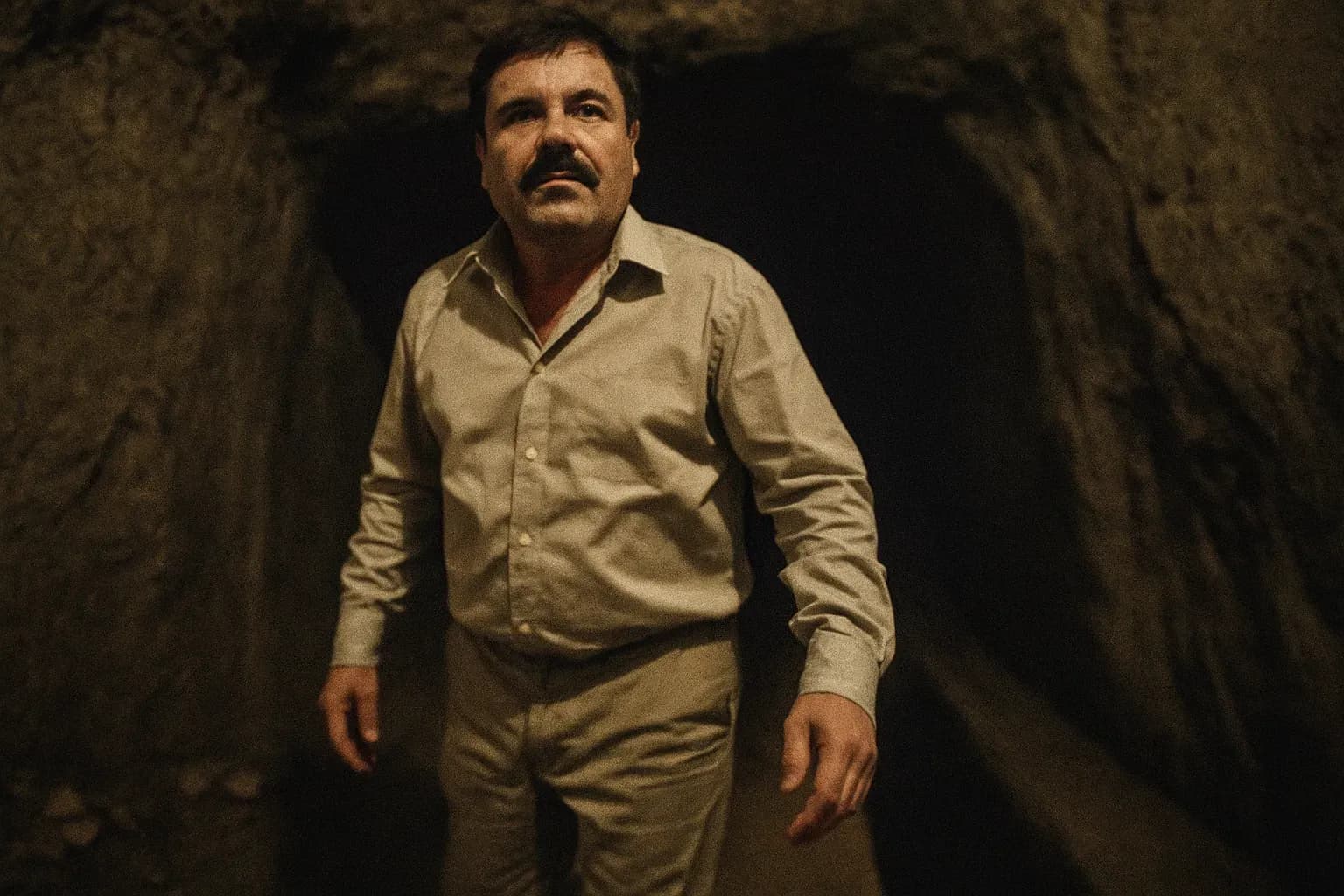
El Chapo: From Prison Escapes to Life Behind Bars
Joaquín 'El Chapo' Guzmán, leader of Mexico's Sinaloa Cartel, orchestrated two dramatic prison escapes before his 2016 recapture and extradition to the United States. In 2019, a federal court in Brooklyn convicted him on all charges and sentenced him to life in prison plus 30 years.
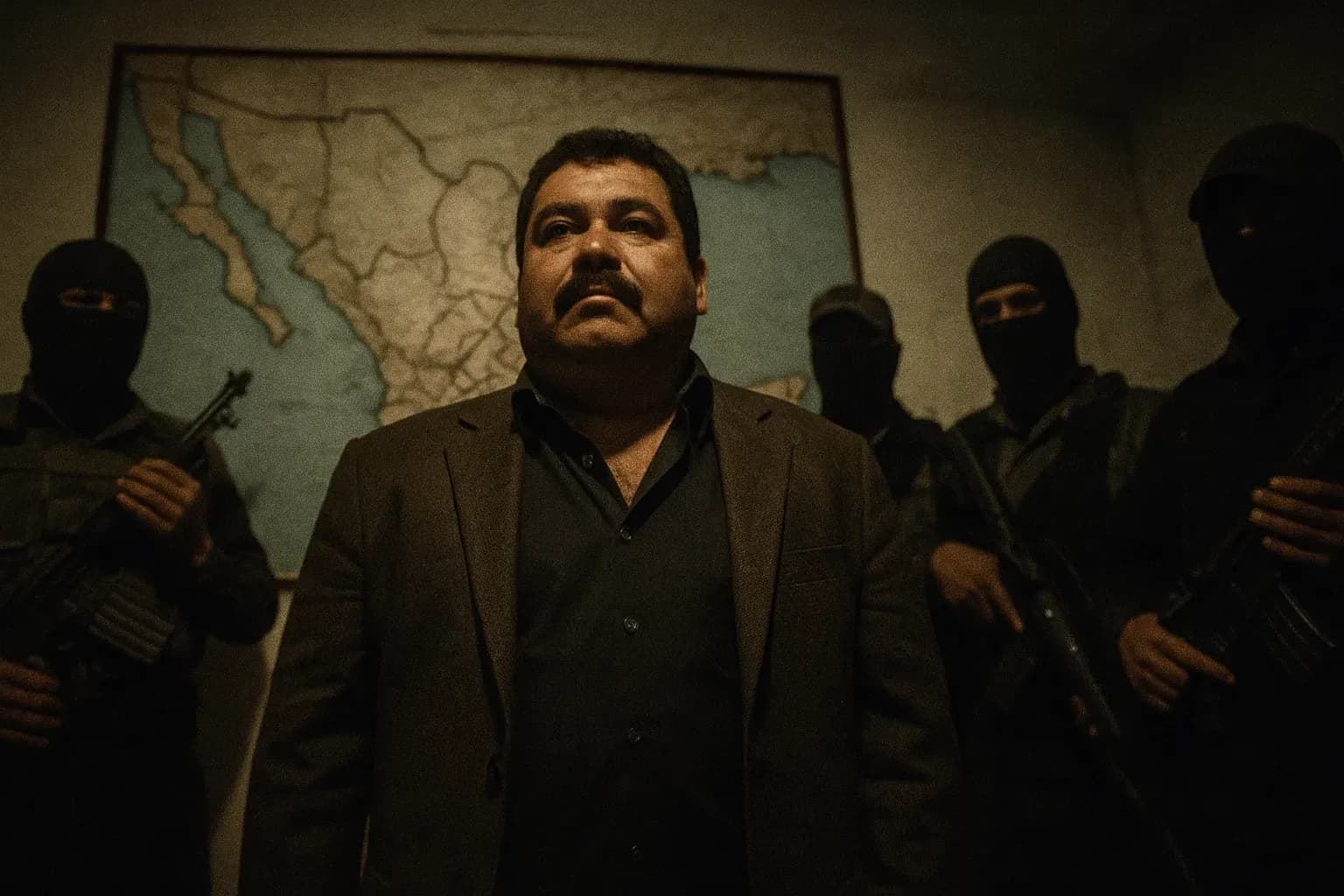
Four Americans Kidnapped by Gulf Cartel in Mexico
Four Americans were kidnapped in Matamoros, Mexico on March 3, 2023, after being mistaken for Haitian drug smugglers by members of the Gulf Cartel. Two of the victims were killed, while two survived. The Gulf Cartel itself moved to apprehend five of its own suspected members.
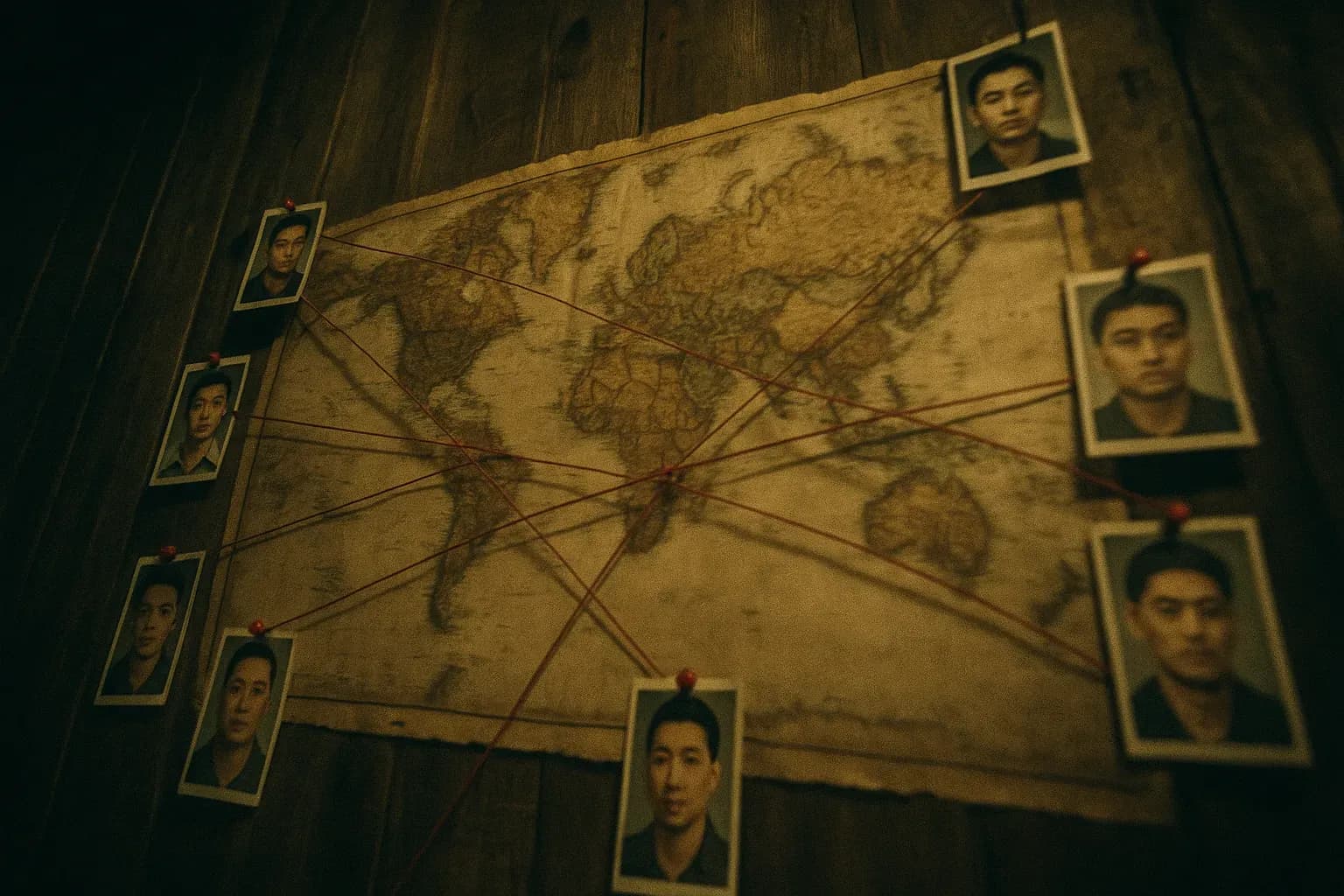
United Bamboo Gang: Taiwan's Criminal Empire
The United Bamboo Gang, also known as Bamboo Union, has operated as Taiwan's largest criminal triad since its founding in 1956–1957, commanding approximately 20,000 members across 13 divisions and 68 branches. What began as a local protection racket has transformed into a sophisticated international criminal enterprise involved in drug trafficking, human smuggling, cyber fraud, and money laundering—with operations spanning California, Las Vegas, and mainland China.
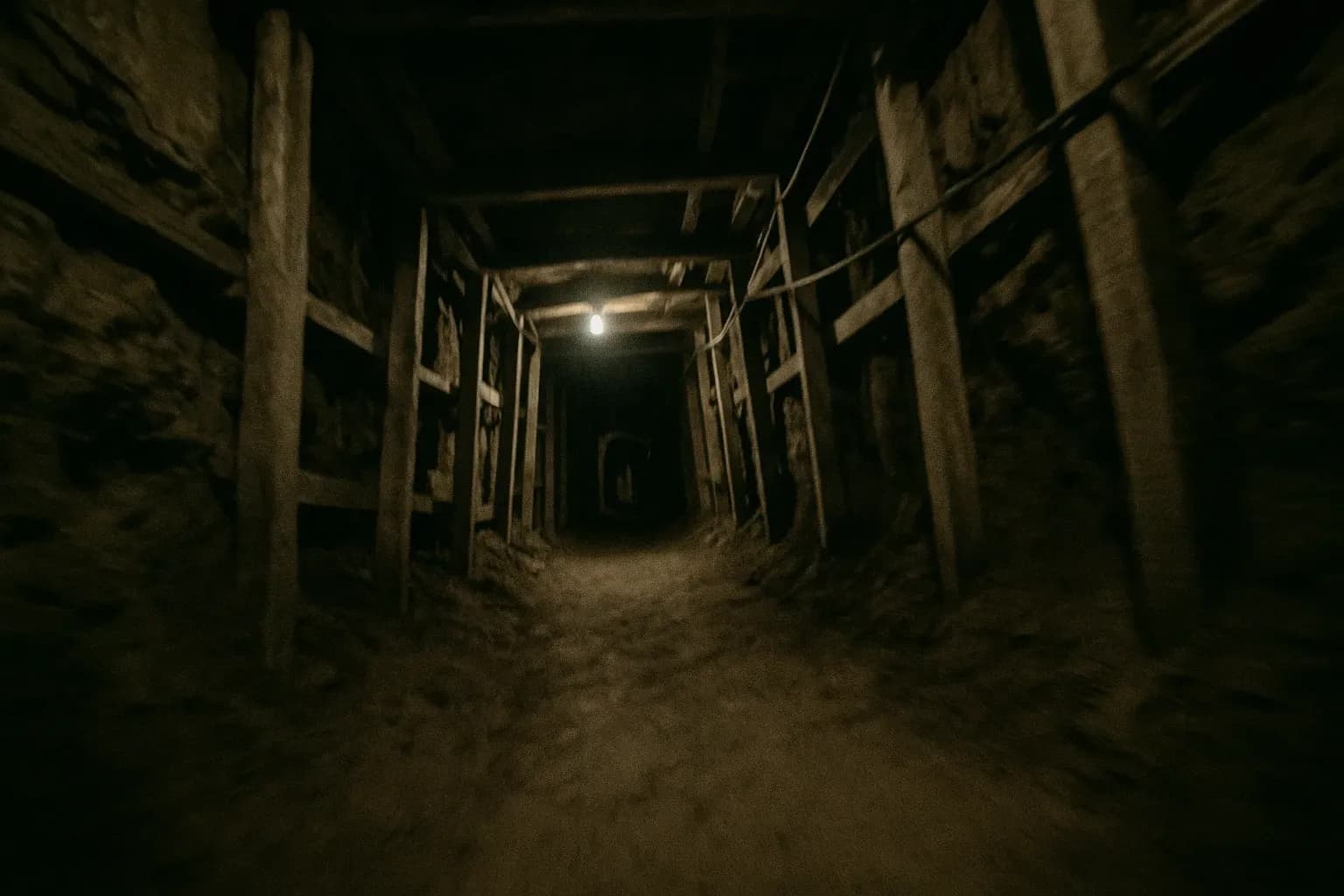
Tijuana Cartel: The Arellano-Félix Criminal Empire
The Arellano-Félix family built one of Mexico's most violent drug trafficking organizations, the Tijuana Cartel, responsible for thousands of deaths including the 1992 Christine nightclub massacre in Guadalajara that claimed the lives of three journalists.