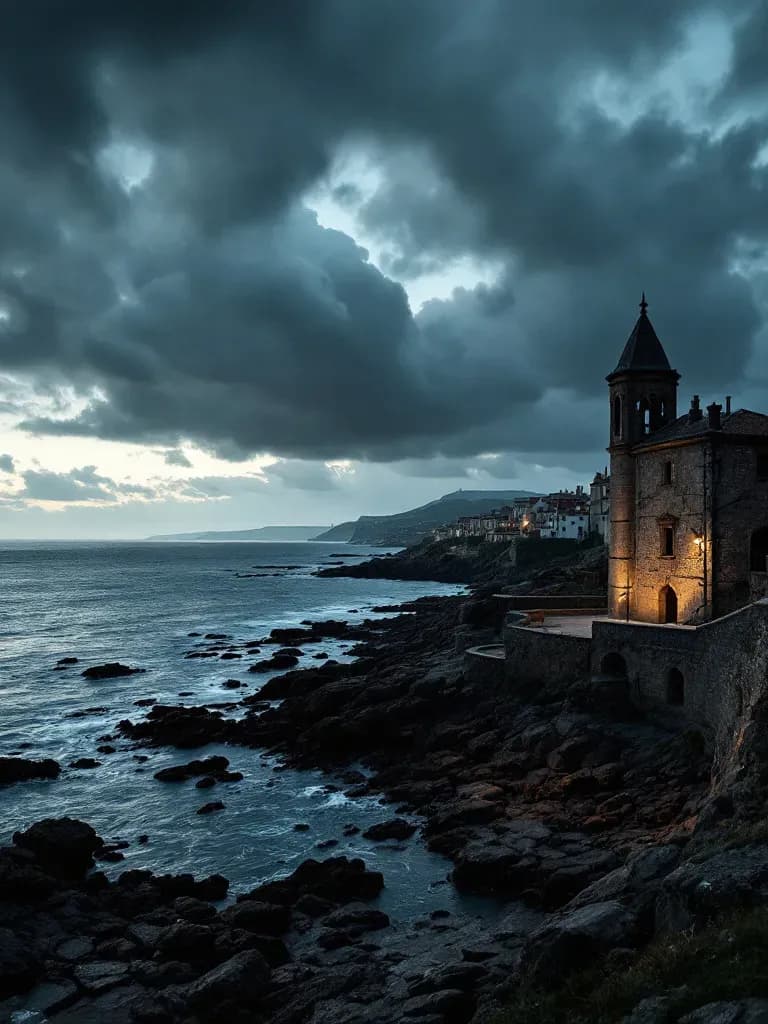
The Narsaq Massacre — Abel Klemmensen's New Year's Killings
Seven-victim shooting in Narsaq, Greenland on New Year's night 1990; case solved, offender convicted
Published May 23, 2026
The Case
The Narsaq massacre is one of the most serious acts of violence in modern Greenlandic history. On New Year's night 1990, 34-year-old Abel Klemmensen shot and killed seven people — described in Danish and Greenlandic reporting as his own acquaintances — in the small South Greenlandic town of Narsaq. The case was solved, Klemmensen was convicted, and more than three decades later he remains in custody, with reporting from Greenlandic media tracking his continued incarceration and repeated denials of parole. The case is sometimes referred to under the alternative spelling Abel Klemensen.
The Crime
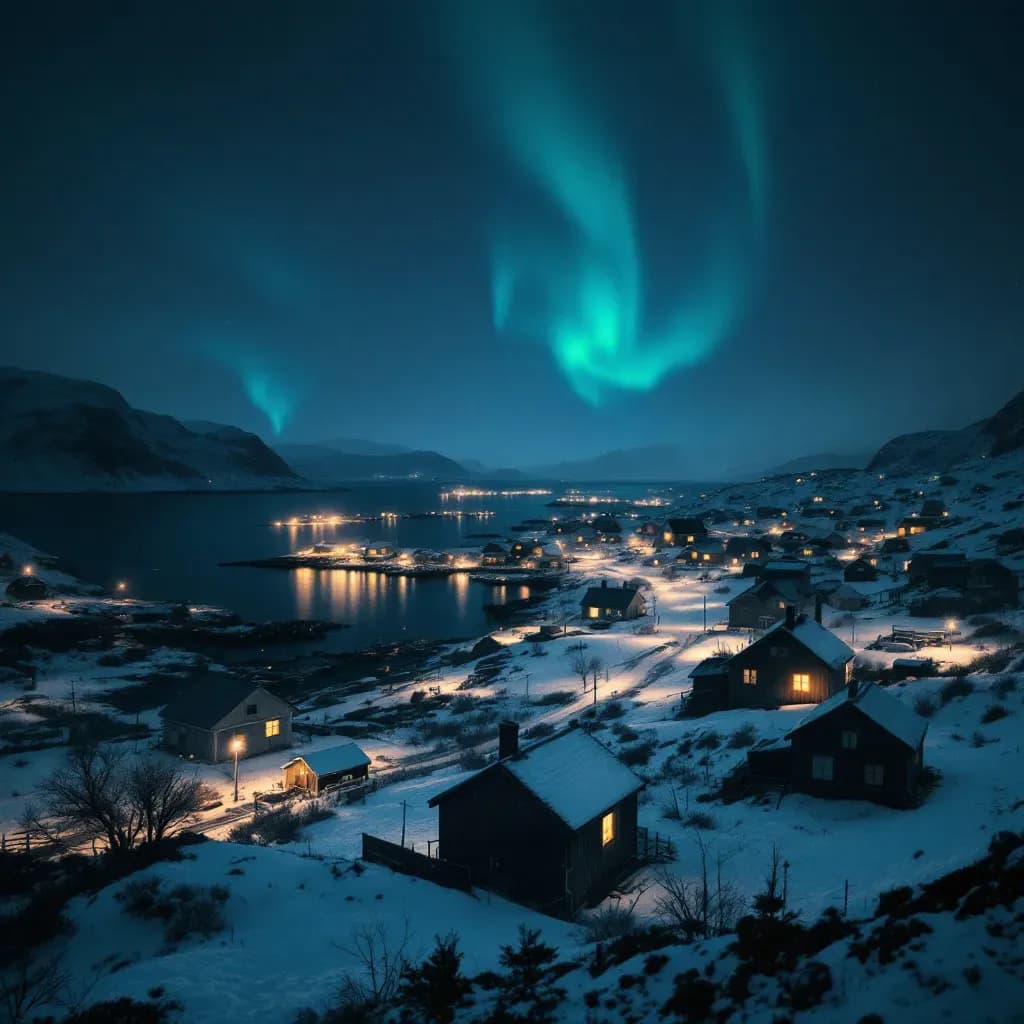
The killings took place during the night between December 31, 1989 and January 1, 1990, when Narsaq — a town of only a few thousand inhabitants on Greenland's southern coast — was marking the new year. According to Greenlandic public broadcaster KNR, Klemmensen used a firearm to shoot and kill seven people he knew personally. The exact sequence of events, the type of weapon, the number of shots fired, and the locations within Narsaq where each victim was killed have not been published in the openly available Danish-language reporting reviewed for this article.
What is verifiable is the scale: seven dead in a single night, in a community small enough that nearly every resident would have known at least one of the victims. The fact that the victims were described as the gunman's "kammerater" — comrades or friends — gave the case an additional layer of horror in local memory.
Timeline
The Narsaq Massacre
On New Year's Eve, 18-year-old Abel Klemmensen shoots seven young people in Narsaq; a 22-year-old man survives with serious injuries.
Verdict: indefinite detention
Klemmensen is found guilty and sentenced to indefinite detention at a psychiatric institution, including at Herstedvester.
Parole with five years' probation
After nearly 25 years in custody, Klemmensen is released on parole in December 2015 with five years' probation.
The Victims
Seven people were killed. The full names and ages of the victims are not disclosed in the publicly available Danish and Greenlandic articles that form the verified source base for this case page. Reporting consistently describes them as people from Klemmensen's own social circle in Narsaq, which fits the profile of a close-quarters mass shooting in a small Arctic town.
Given the sensitivity of the case in Greenland and the small size of Narsaq, the identities of the seven dead have largely been protected in subsequent media coverage, which has focused instead on the offender's incarceration and legal status.
Investigation
Publicly available reporting does not detail the investigative steps taken by Greenlandic police in January 1990. However, the case was resolved quickly enough that it never became a cold case: Abel Klemmensen was identified, arrested, charged, and ultimately convicted of the sevenfold killing. The combination of a small community, identifiable victims, and a known suspect meant the evidentiary picture was clear enough to support prosecution.
Greenland operates under a distinct criminal code in which custodial sanctions are imposed as measures of safety rather than as fixed-term sentences in the Danish sense. This framework would shape the rest of Klemmensen's legal journey.
Trial and Verdict
Klemmensen was convicted of killing all seven victims. Because Greenland lacks a closed prison facility capable of holding offenders considered dangerous over the long term, he was transferred to serve his sentence at Anstalten ved Herstedvester in Denmark — the institution used for offenders requiring psychiatric and security supervision. Sermitsiaq has described his situation as more than three decades behind bars in a foreign country, reflecting the unusual position of Greenlandic offenders serving long detentions in Denmark.
In later proceedings related to the management of his sentence, Klemmensen was at one point granted a five-year probation period in connection with the sevenfold killing. A subsequent decision, however, saw him denied parole, meaning he remained in custody rather than being released.
Today
More than 35 years after the New Year's massacre, Abel Klemmensen is still incarcerated. KNR has reported that he, by then described as a 34-year-old at the time of one report — a reference point used in Greenlandic coverage — has expressed a wish to be moved away from Anstalten ved Herstedvester, where he has spent a large part of his life. His case is periodically revisited by Greenlandic media as an example of the difficulties surrounding long-term incarceration of Greenlandic offenders within the Danish prison system, including questions of language, cultural isolation, and the absence of suitable secure facilities in Greenland itself.
The Narsaq massacre remains a defining event in Greenland's modern criminal history: a single night in which a small town lost seven of its residents, and a case whose legal afterlife — through repeated parole hearings and debates about where Klemmensen should be held — continues to generate headlines decades after the killings.
Ask about this case
Answers from KrimiNyt's coverage onlyFollow this case
Get an email when a new documentary, podcast or book about The Narsaq Massacre — Abel Klemmensen's New Year's Killings appears, or when a verdict is reached.