America's Greatest Art Heist: 34 Years Unsolved
The 1990 Isabella Stewart Gardner Museum theft remains one of the world's most audacious and perplexing art crimes
Published June 6, 2025
.webp&w=3840&q=75)
Case Details
Quick Facts
Classification:
Quick facts
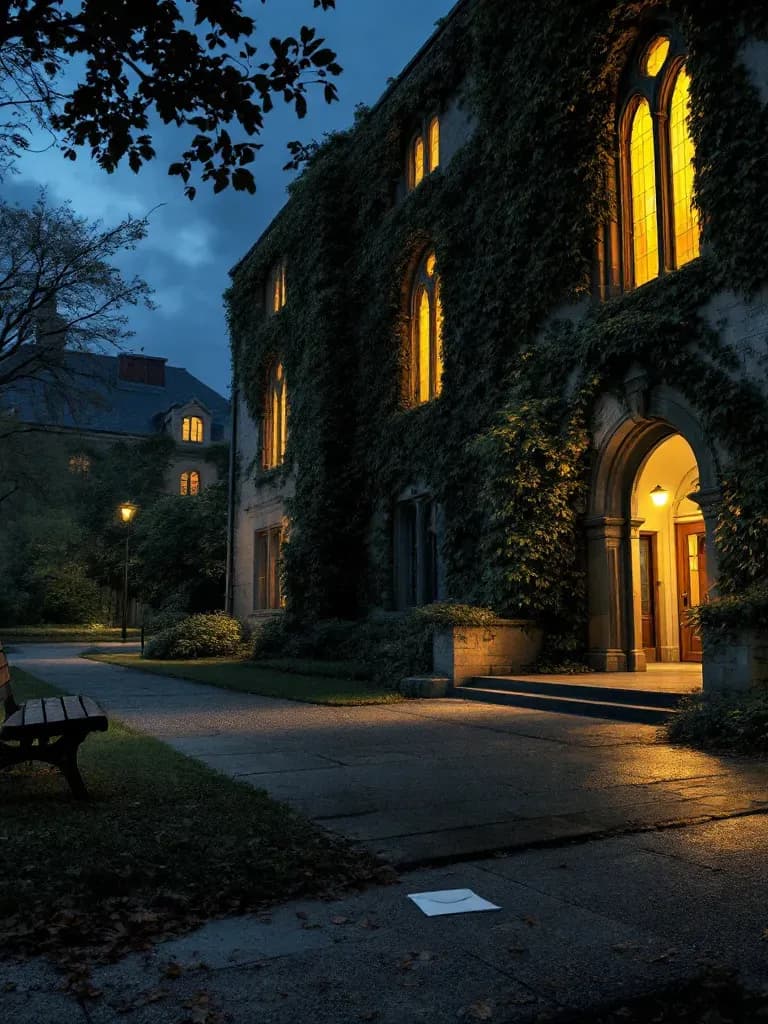
In the early morning hours of March 18, 1990, two men dressed in Boston Police Department uniforms approached the Isabella Stewart Gardner Museum in Boston, Massachusetts. What happened next would become the largest art theft in American history—and a case that would puzzle investigators, captivate criminologists, and inspire countless theories across three decades.
The method was brazen in its simplicity. The perpetrators convinced the museum's night guards they were conducting a routine patrol. Once inside, they overpowered the two security staff members, bound them with tape, and locked them in the basement. What followed was a methodical looting of some of the world's most valuable artworks.
The thieves made off with 13 pieces, a haul that remains staggering by any measure. The crown jewel was Johannes Vermeer's "The Concert," estimated at $250 million and considered among the world's most valuable missing artworks. Three works by Rembrandt were taken, including his only known seascape, "Storm on the Sea of Galilee." A Manet painting and five drawings by Edgar Degas completed the collection. In total, the stolen works were valued at approximately $500 million—a figure that would be even higher today.
Timeline
The heist
Shortly after 1 a.m., two men disguised as police officers gain access to the Isabella Stewart Gardner Museum, overpower the guards and steal 13 works of art.
Theft discovered
In the morning, the bound guards are found in the basement. The scale of the robbery becomes clear: 13 masterpieces worth hundreds of millions of dollars have disappeared.
Reward offered
The museum offers a reward of first 5 million dollars, later raised to 10 million – the highest sum ever offered for stolen art.
FBI announces breakthrough
The FBI states it knows the identity of the perpetrators – but names no one. This lead too fails to bring about the recovery of the works.
34 years unsolved
The case is still regarded as one of history's most spectacular unsolved art heists. Not a single one of the 13 works has been recovered to date.
A Perfect Storm of Opportunity
What made the theft possible was shockingly mundane: negligent security. The Isabella Stewart Gardner Museum's protection systems were notoriously inadequate. The institution, built in 1903 as the personal collection home of its namesake heiress, had failed to modernize its defenses adequately. Two men with minimal planning were able to gain entry, overpower guards, and remove priceless artworks with striking ease. After the robbery, it became painfully evident that the museum had been vulnerable to exactly this type of assault.
The inadequate security would later become a cautionary tale for cultural institutions worldwide, sparking debates about the balance between public access and artwork protection—a tension that persists in museums across Europe and beyond.
The Investigation That Went Nowhere
What followed was one of the most extensive art crime investigations ever launched. The FBI, Interpol, and numerous private investigators pursued countless leads. Over the decades, theories have emerged and circulated: organized crime connections, an inside job, theft on commission for a private collector. Some have speculated the works were destroyed; others believe they remain hidden in a vault somewhere, waiting for the heat to cool.
Yet despite decades of investigation, forensic analysis, and informant testimony, the perpetrators were never publicly identified or prosecuted. Not a single stolen painting has been recovered. The two men simply vanished into history, their identities one of crime's enduring enigmas.
A Legend in True Crime
Today, the Gardner Museum theft occupies a unique place in international true crime. Unlike many heists that fade into obscurity, this case has grown in infamy. It inspires criminological study, feeds true crime documentaries, and captivates writers seeking to understand how such an audacious crime could remain unsolved.
The unsolved status has become inseparable from the theft's legacy. For the Isabella Stewart Gardner Museum, it means some of the art world's most celebrated paintings remain absent from public view—works that should have enriched millions of visitors over the past 34 years.
In 1997, the museum announced a $5 million reward for information leading to recovery of the works. Despite this incentive, the paintings remain missing. As each year passes, the likelihood of recovery diminishes, and the case cements itself further into history as one of the world's most famous unsolved art crimes—a testament to both the audacity of the thieves and the frustrating limits of even sophisticated modern investigation.
Media coverage
TV series
- This Is A Robbery: The 1990 Museum Art Heist(2025)
Ask about this case
Answers from KrimiNyt's coverage onlyFollow this case
Get an email when a new documentary, podcast or book about America's Greatest Art Heist: 34 Years Unsolved appears, or when a verdict is reached.