Marie Besnard: France's Enigmatic 'Queen of Poisoners'
A decades-long legal saga that exposed the fragility of forensic evidence and challenged modern French justice
Published June 6, 2025
On July 21, 1949, Marie Joséphine Philippine Davaillaud Besnard was arrested in the small French town of Loudun on charges of murdering 13 people through arsenic poisoning. Dubbed the "Queen of Poisoners" by press and public alike, Besnard became the focal point of one of modern French legal history's most perplexing criminal cases—one that would ultimately expose dangerous gaps in forensic science and prosecutorial certainty.
The investigation began with the exhumation of Besnard's husband, Léon, on May 11, 1949. Forensic surgeon Dr. Georges Béroud conducted the autopsy and used the Marsh and Cribier methods to test tissue samples. He reported finding 19.45 mg of arsenic and concluded that Léon had died from slow poisoning. The apparent motive was clear: Besnard stood to inherit wealth from her victims, who included not only her husband but also other family members.
Bolstered by Béroud's findings, authorities exhumed additional bodies. Renowned scientists including professors Fabre, Kohn-Abrest, Griffon, and Piedelièvre, along with Nobel laureate Frédéric Joliot-Curie, conducted further analyses on exhumed remains. Their tests confirmed high arsenic levels, seemingly strengthening the prosecution's case.
Timeline
Investigation opened
In 1947, suspicion arises around Marie Besnard in connection with her husband's death, and an investigation for arsenic poisoning is opened in Loudun, in the Vienne department.
Marie Besnard charged and arrested
On 21 July 1949, Marie Besnard is formally charged with arsenic poisoning and arrested by French authorities.
First trial opens in Poitiers
On 20 February 1952, the first of a total of three trials against Marie Besnard opens — this time before the court in Poitiers.
Final acquittal in Bordeaux
On 12 December 1961, the cour d'assises de la Gironde in Bordeaux hands down a final acquittal due to lack of evidence. No conviction.
Marie Besnard dies
Marie Besnard dies in 1980, nearly two decades after her final acquittal by the court in Bordeaux.
Yet cracks in the evidence appeared almost immediately. During the first trial in Poitiers, defence lawyers mounted a devastating challenge to Béroud's methodology. They questioned his claim that he could distinguish arsenic from antimony by sight alone—a critical assertion that had anchored the forensic findings. The court agreed. The trial ended in mistrial, and new experts were appointed to review the evidence.
The second trial proved equally contentious. The newly appointed experts disagreed sharply on their findings. Most damaging: one expert refused to testify at all. Again, the court could not reach a verdict, and the case ground to a halt.
During this extended legal limbo, Besnard was held in preventive detention before being freed on bond in 1954. The delay proved consequential. By the time a third trial commenced—roughly seven years after the second—physical evidence had degraded, and key witnesses had moved on with their lives.
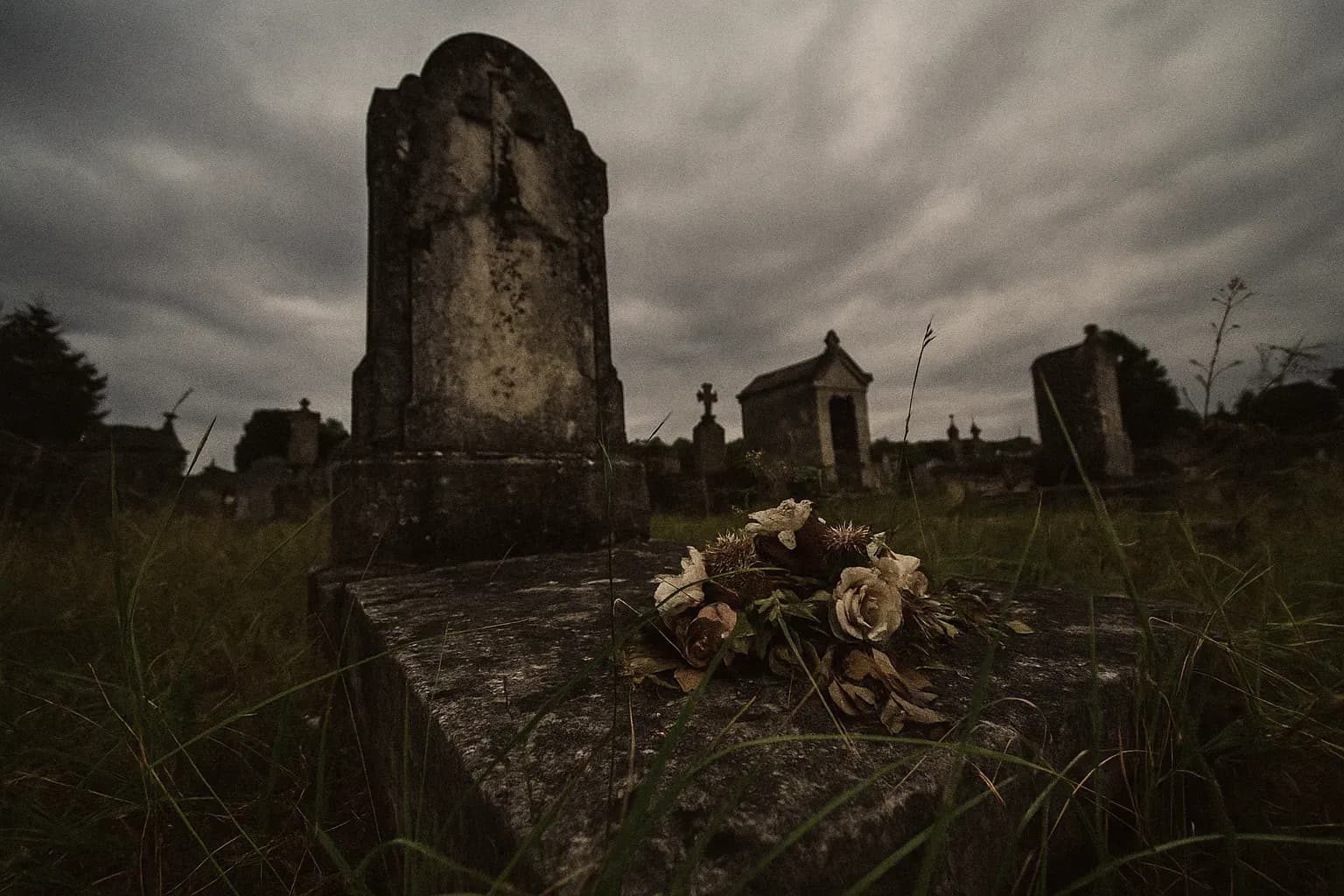
The defence's alternative theory, developed over years of investigation, suggested that arsenic contamination had occurred after burial, not before death. They pointed to the cemetery soil itself: the groundskeeper had used fertilisers to cultivate a potato garden near the graves, and zinc ornaments on headstones alongside flower chemicals had leached into the earth. Moreover, they documented serious errors in the exhumation process—tissue sample jars had been mislabelled, and some containers were lost or replaced entirely.
In the third trial, forensic experts acknowledged the limitations of autopsy techniques used in 1949 and conceded that external arsenic sources could plausibly explain the chemical findings. Without solid evidence to counter these doubts, the case collapsed. On December 12, 1961—twelve years after her arrest—Marie Besnard was acquitted.
The Besnard case became a watershed moment in European criminal justice. It demonstrated that prestigious credentials and scientific apparatus could mask methodological flaws, that chain-of-custody failures could fatally compromise investigations, and that the public's hunger for conviction could override judicial caution. While Besnard's guilt or innocence remains debated by historians, her acquittal forced the French legal system to confront uncomfortable truths about forensic reliability.
Today, the case stands as a cautionary tale: the absence of proof of innocence is not proof of guilt, and reasonable doubt—no matter how inconvenient—must prevail.
Sources
https://en.wikipedia.org/wiki/Marie_Besnard
https://www.serialkillercalendar.com/Marie%20BESNARD.php
https://www.thecollector.com/loudun-affair-witch-trial/
https://en.wikipedia.org/wiki/Loudun_possessions
Ask about this case
Answers from KrimiNyt's coverage onlyFollow this case
Get an email when a new documentary, podcast or book about Marie Besnard: France's Enigmatic 'Queen of Poisoners' appears, or when a verdict is reached.