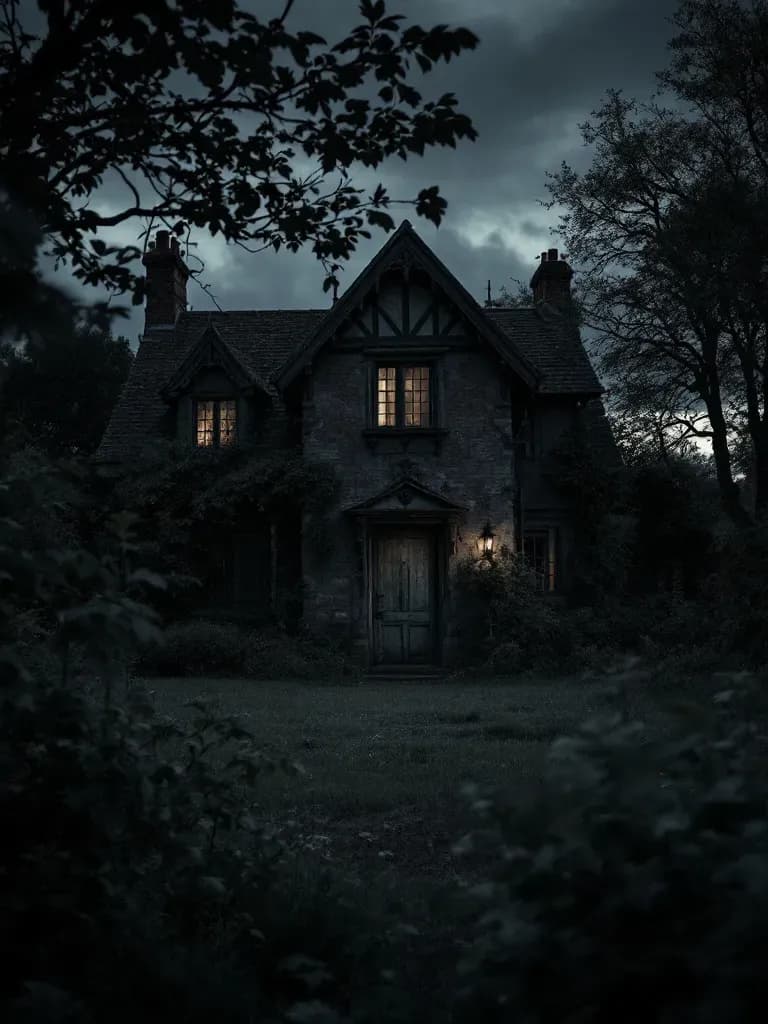
Jack the Ripper: London's Most Infamous Unsolved Serial Killer
The 1888 Whitechapel murders that terrorized Victorian England and spawned centuries of investigation
Published June 6, 2025

Classification:
Quick Facts
An unidentified English serial killer murdered at least five prostitutes in London's Whitechapel district between August and November 1888, in crimes that would define Victorian crime and inspire modern criminal psychology.
The Canonical Victims
Police linked five murders—known as the "Whitechapel murders"—to a single perpetrator. Mary Ann Nichols was discovered on August 31, 1888, her throat slashed. One week later, on September 8, Annie Chapman was found with similar wounds and severe abdominal mutilation. The killer's pace accelerated on September 30, when Elizabeth Stride and Catherine Eddowes were murdered within hours of each other in different locations. The final canonical victim, Mary Jane Kelly, was found on November 9, 1888, having suffered the most extreme mutilations of all.
Timeline
Hannah Tailford found dead
On 2 February 1964, Hannah Tailford was found dead. She is considered the first officially attributed victim in the Hammersmith murders.
Irene Lockwood found dead
On 8 April 1964, Irene Lockwood was found dead in West London, the second confirmed victim in the case.
Helen Barthelemy found dead
On 24 April 1964, Helen Barthelemy was found dead – the third victim found within a few months.
Mary Fleming found dead
On 14 July 1964, Mary Fleming was found dead in West London. She is the fourth named victim in the case.
Bridget O'Hara found dead
In February 1965, Bridget O'Hara was found dead – the last named victim in the officially attributed part of the case.
All victims were sex workers living in extreme poverty. All had their throats cut from left to right, suggesting a killer confident with a blade and aware of human anatomy. The progressive nature of the mutilations—particularly the removal of organs in some cases—indicated either surgical knowledge or obsessive learning between attacks.
Modus Operandi and Investigation
The killer's method showed consistency and escalation. Victims were attacked while lying down, their throats severed first, followed by systematic mutilation of the abdomen and genital areas. The precision and apparent anatomical knowledge led Victorian investigators to suspect a surgeon, physician, or butcher—theories that persist today.
Despite intense police activity and public panic, the perpetrator was never apprehended. Contemporary records suggest approximately 12 murders between 1888 and 1892 may have been linked to the same killer, though only the five canonical murders received official police confirmation.
Theories and Modern DNA Claims
For over a century, the case remained dormant until 2014, when researchers announced a DNA analysis of a shawl allegedly belonging to Catherine Eddowes, one of the victims. The analysis identified mitochondrial DNA matching Aaron Kosminski, a 23-year-old Polish barber who had been a police suspect in 1888. The DNA also matched a descendant of one of Eddowes' relatives, and suggested the killer had brown hair and eyes.
However, this breakthrough remains deeply contested. The shawl's chain of custody was never established; it does not appear in official police evidence records. Mitochondrial DNA, experts argue, is not unique enough to definitively identify an individual—many people share the same maternal lineage markers. Forensic specialists including Jarrett Ambeau have publicly stated the evidence is insufficient for a conclusive identification.
No consensus has emerged. The case remains officially unsolved, and Kosminski's guilt is far from proven.
Legacy
Jack the Ripper's murders marked a watershed in criminal investigation. The case introduced systematic detective work, geographical profiling concepts, and psychological analysis to police procedure. The killer's identity became an obsession for criminologists, historians, and the public—spawning countless books, theories, and cultural references.
More than 135 years later, the Whitechapel murders remain one of history's most famous unsolved crimes. The killer was never identified, never arrested, and never faced justice. What happened to him after November 1888 remains as mysterious as his identity.
Sources
https://www.britannica.com/biography/Jack-the-Ripper
https://www.science.org/content/article/does-new-genetic-analysis-finally-reveal-identity-jack-ripper
https://sequencing.com/blog/post/dna-analysis-forensics-identity-jack-ripper
https://en.wikipedia.org/wiki/Jack_the_Ripper
https://www.youtube.com/watch?v=j42AwpCecU8
Ask about this case
Answers from KrimiNyt's coverage onlyFollow this case
Get an email when a new documentary, podcast or book about Jack the Ripper: London's Most Infamous Unsolved Serial Killer appears, or when a verdict is reached.