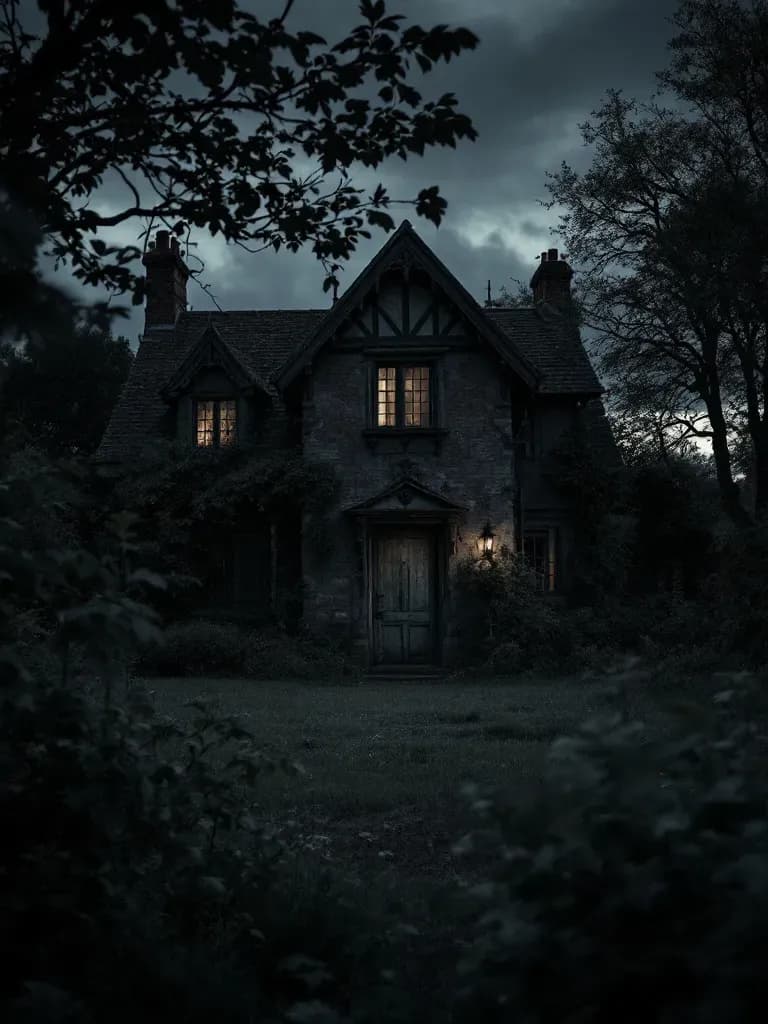
Hinterkaifeck: Europe's Bloodiest Unsolved Family Murder
How six people were slaughtered on a remote German farm in 1922—and why the killer was never found
Published June 6, 2025
Classification:
Quick Facts
On March 31, 1922, six people were brutally murdered at the Hinterkaifeck farmstead, approximately 70 kilometers north of Munich, Germany. The crime would become known as one of Europe's most notorious unsolved family killings—a case that has puzzled investigators and amateur sleuths for over a century.
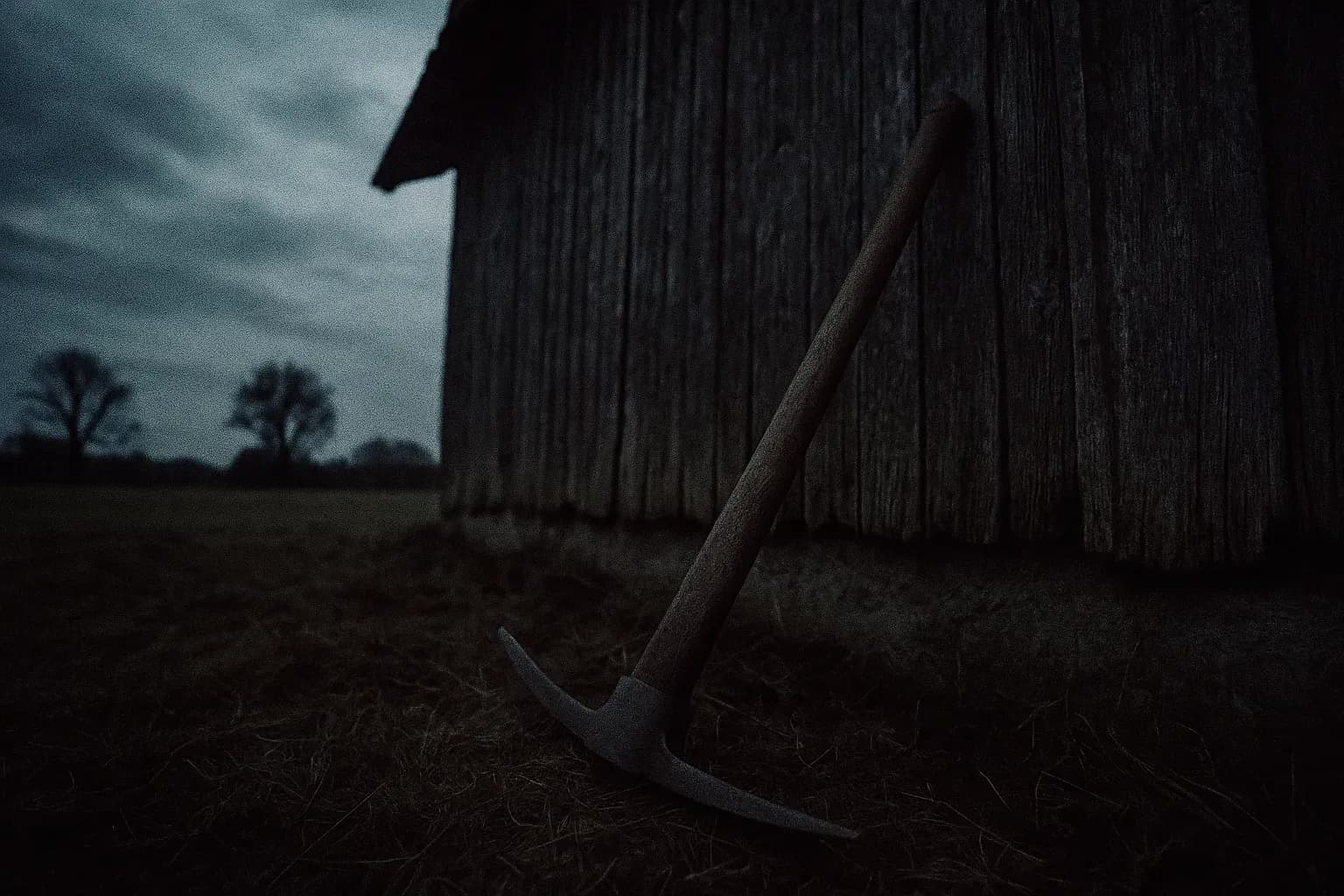
The victims were Andreas Gruber, 63, the farm's owner; his wife Cäzilia, 72; their widowed daughter Viktoria Gabriel, 35; Viktoria's two young children, Cäzilia (7) and Josef (2); and the family's maid, Maria Baumgartner, 44. All six were killed with a mattock—a pickaxe-like tool belonging to the family—dealt crushing blows to the head that shattered their skulls.
The killer's methods were methodical and brutal. According to autopsies performed by Dr. Johann Baptist Aumüller, Viktoria sustained nine star-shaped wounds to her head. The elder Cäzilia was strangled before receiving seven additional blows. Young Cäzilia's jaw was shattered, her skull bearing circular wounds. Most chillingly, the child survived the initial assault for hours, found later tearing out her own hair in tufts from the barn straw where she lay.
Timeline
Six people killed at the Hinterkaifeck farm
During the night between March 31 and April 1, 1922, Andreas Gruber, Cäzilia Gruber, Viktoria Gabriel, Cäzilia Gabriel, Josef Gabriel/Gruber and Maria Baumgartner are killed with a mattock.
Bodies discovered — perpetrator apparently stayed on afterward
When neighbors and authorities arrive in the days after April 1, 1922, they find six bodies. Fresh traces suggest that someone stayed at the farm after the killings.
The sequence of murders suggests careful planning. Viktoria, both Cäzilias, and Andreas were lured to the barn and killed there. Josef, still in his bassinet, and Maria Baumgartner, asleep in bed, were murdered inside the house. Yet what followed the killings remains equally disturbing: the murderer stayed on the property for days afterward. Neighbors reported seeing smoke rising from the farmhouse chimney over the weekend. The killer fed the livestock, used the fireplace, and ate the family's food—behaving as though nothing had happened.
The bodies weren't discovered until April 4, 1922, when concerned neighbors came looking for the family after they failed to attend church on Sunday and young Cäzilia missed school on Saturday. Four bodies were found in the barn; two lay in the house. By then, decomposition was advanced.
What makes Hinterkaifeck particularly puzzling are the crime scene details. There was no evidence of forced entry—the killer knew the farm's layout intimately. Curiously, the murder weapon itself vanished from the scene, only to be discovered years later in the barn loft during the farm's demolition in 1923. Money remained in the house, ruling out robbery as a motive.
The investigation that followed was thorough but ultimately fruitless. Police examined family members, explored theories involving inheritance disputes, love triangles surrounding Viktoria, and even considered a vengeful ex-farmhand named Georg Siegl. Despite these leads, no suspect was ever charged. The case was officially closed without resolution.
The investigation's most grim footnote: the victims' skulls were removed for examination and sent to Munich, where they were lost during World War II. The six victims were eventually buried in Waidhofen—headless.
The Hinterkaifeck case lay dormant for decades until 2007, when the Fürstenfeldbruck Police Academy reopened it as a cold case, hoping that modern forensic techniques might yield answers. To date, none have materialized. The identity of the killer—whether family member, hired murderer, or vengeful outsider—remains one of Europe's most enduring mysteries.
Sources
https://en.wikipedia.org/wiki/Hinterkaifeck_murders
https://jackrosewood.com/hinterkaifeck-murders/
https://vocal.media/criminal/the-unsolved-case-of-hinterkaifeck-murders
https://www.mentalfloss.com/article/502044/chilling-story-hinterkaifeck-killings-germanys-most-famous-unsolved-crime
http://www.historictruecrime.com/the-hinterkaifeck-murders/
Ask about this case
Answers from KrimiNyt's coverage onlyFollow this case
Get an email when a new documentary, podcast or book about Hinterkaifeck: Europe's Bloodiest Unsolved Family Murder appears, or when a verdict is reached.