The 160 Million Real Heist: Inside Brazil's Banco Central Tunnel Robbery
How criminals dug 260 feet underground to steal 3.5 tons of cash in one of the largest bank robberies ever recorded
Published June 6, 2025
Quick Facts
On August 6, 2005, thieves executed an audacious heist at a Banco Central branch in Fortaleza, Brazil, tunneling 80 meters from a rented property to breach the bank's vault and steal approximately 160 million Brazilian reais—equivalent to roughly 70 million USD at the time.
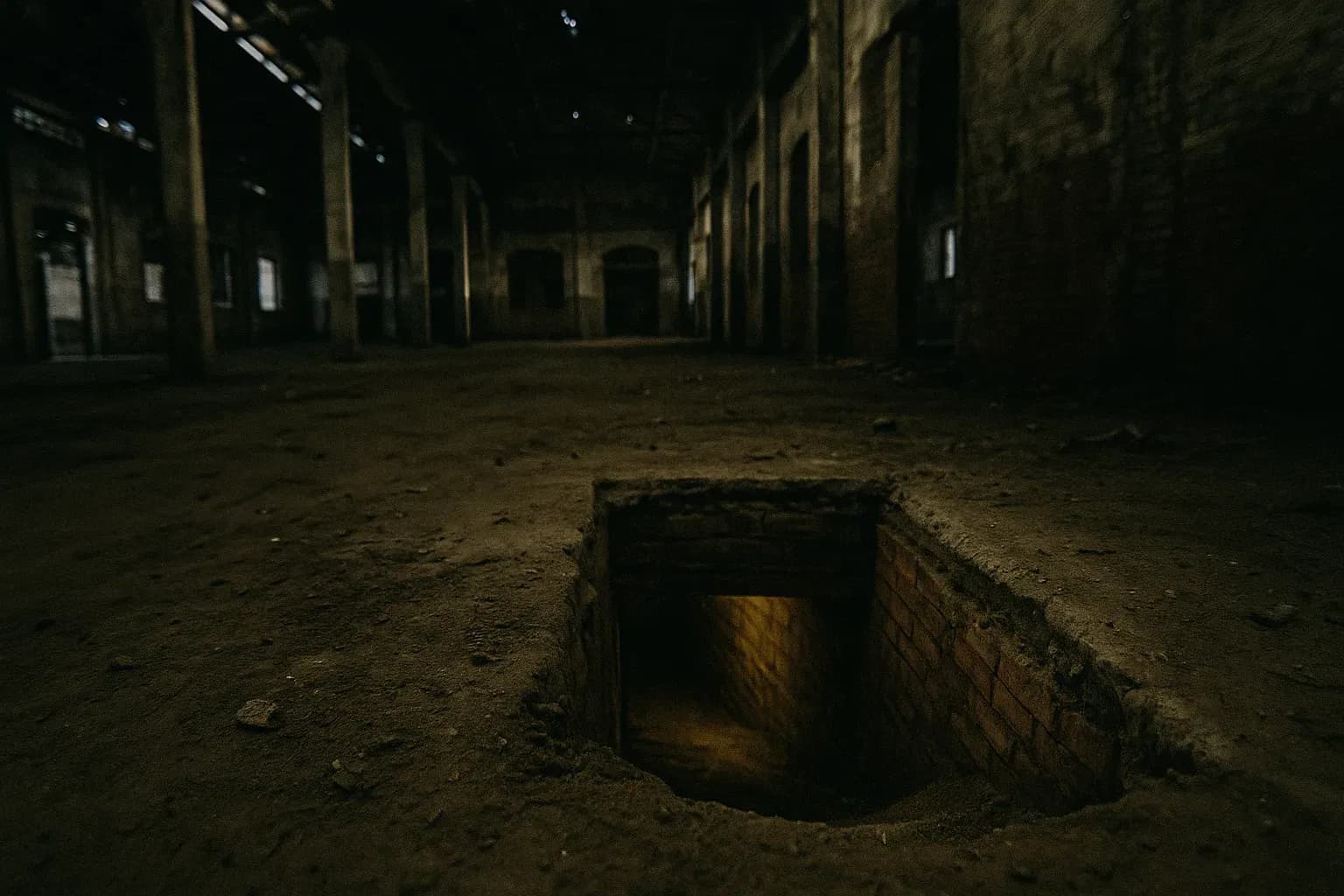
The sheer scale of the operation revealed meticulous planning. The criminals had rented a nearby property and dug an 80-meter tunnel—roughly 260 feet—that led directly to the bank's basement. What awaited them was formidable: a four-foot thick steel-reinforced concrete wall protecting the vault itself. Somehow, the perpetrators managed to breach it, making off with 3.5 tons of physical currency in what became one of the largest bank robberies ever recorded.
The investigation that followed was equally complex. Brazilian authorities eventually made 129 arrests linked to the operation, though progress was uneven. By the end of 2005, only eight of the 25 suspected participants had been arrested—a figure that underscored how many conspirators remained at large or unidentified.
Timeline
The burglary begins on the night of Saturday, August 6, 2005
In the weekend of August 6–7, 2005, an organized group carries out the burglary via an approximately 80-meter-long tunnel from a rented property into Banco Central's vault in Fortaleza.
The robbery is discovered on Monday, August 8, 2005
Bank staff discover on Monday morning, August 8, 2005, that the vault has been emptied. Authorities are called in and the investigation is launched.
First verdicts handed down in 2008
The Federal Court in Ceará sentences Antônio Jussivan Alves dos Santos and Marcos Rogério Machado de Morais in 2008 to 49 years and 2 months in prison each.
Further money laundering convictions in 2015
The Federal Court in Ceará convicts 11 people of money laundering in 2015. Jussivan Alves dos Santos is sentenced to 80 years for money laundering, on top of a running sentence of 35 years.
Recovery efforts yielded partial results. Authorities recovered 32 million reais initially, with an additional 20 million reais recovered by year's end. Still, the majority of the stolen funds remained unaccounted for, suggesting either sophisticated money laundering or careful hiding by the perpetrators.
The case took a darker turn when gang members involved in the robbery became victims themselves. Several were kidnapped, reportedly for ransom—a grim reminder of the violent underworld in which such operations exist. Among those caught in this cycle was Luis Fernando Ribeiro, believed to be the mastermind behind the entire operation. Ribeiro was killed by kidnappers after ransom payments were made, eliminating any chance of directly questioning the architect of the scheme.
The investigation also revealed that the Fortaleza heist was not an isolated incident. Brazilian Federal Police uncovered evidence of additional planned burglaries connected to the operation, which they managed to prevent before execution. Most notably, the same criminal network had attempted a similar burglary in São Paulo with an even higher target amount, but those perpetrators were apprehended while under surveillance—suggesting law enforcement had begun closing in on the wider network.
The Fortaleza robbery has since become the subject of international media attention. In 2022, Netflix released a documentary titled "3 Tonelada$: Assalto ao Banco Central" (The Great Robbery of Brazil's Central Bank), directed by Daniel Billio. The film explores the heist's planning, execution, and aftermath, offering viewers an inside look at one of the most audacious crimes of the 21st century.
More than two decades later, the Banco Central burglary remains a case study in criminal audacity and the challenges facing law enforcement. The tunnel approach—mundane in conception but extraordinary in execution—bypassed modern security systems and forced investigators to think beyond conventional banking robbery methods. While authorities recovered a portion of the funds and arrested numerous suspects, the full story of where the remaining millions ended up and which perpetrators escaped justice may never be completely known.
The case underscores a persistent truth in international crime: even in an age of digital banking and surveillance, determined criminals with resources and planning can still execute seemingly impossible heists. The Fortaleza job remains a testament to both criminal ingenuity and the long shadows such crimes cast over law enforcement investigations.
Sources: https://about.netflix.com/news/the-documentary-3-tonusd-the-great-robbery-of-brazils-central-bank-is-now https://en.wikipedia.org/wiki/Banco_Central_burglary_at_Fortaleza https://about.netflix.com/news/the-great-robbery-of-brazils-central-bank-like-youve-never-seen-it-before https://tv.apple.com/us/show/the-great-robbery-of-brazils-central-bank/umc.cmc.6swv0gaa4ygeam5nxcqdtwuew https://www.youtube.com/watch?v=E_Ctp1mIB48
Ask about this case
Answers from KrimiNyt's coverage onlyFollow this case
Get an email when a new documentary, podcast or book about The 160 Million Real Heist: Inside Brazil's Banco Central Tunnel Robbery appears, or when a verdict is reached.