Bankruptcy
From financial ruin to a tool for fraud and deception
Definition
Bankruptcy isn't always just a misfortune. Discover how it's used as a smokescreen, motive, and method in cases of fraud and financial crime.
From financial ruin to a tool for fraud and deception
From debt to deception: Bankruptcy as a crime cover-up
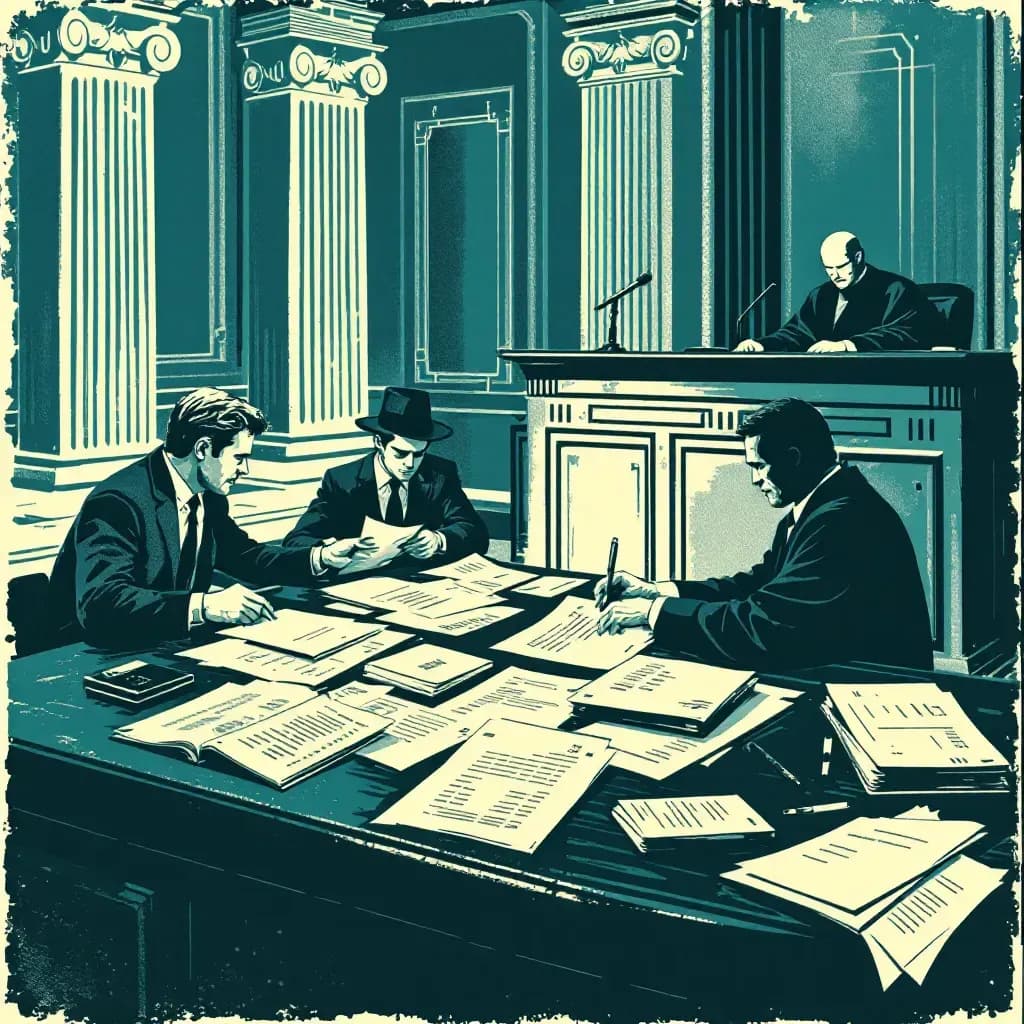
In the context of true crime, the term bankruptcy often covers far more than just the financial collapse of a company or individual. It can be a carefully planned smokescreen for, a direct result of, or the very pivot of serious financial crime. Technically, bankruptcy occurs when debt becomes unmanageable, but in criminal cases, a bankruptcy can conceal deliberate fraud. A classic example is fraudulent bankruptcy, where assets are systematically removed from the company before bankruptcy to deceive creditors – a clear form of creditor fraud.
Bankruptcy motive: Financial pressure breeds fraud
A looming or ongoing bankruptcy can create a strong motive for further criminal activity. This can include insurance fraud through arson, extensive accounting manipulation, embezzlement, or document forgery to hide the true financial situation. These actions all fall under the umbrella of financial crime. Investigators therefore often view bankruptcies as potential hotbeds for financial crime. The task becomes to uncover complex transactions, see through pro forma accounts, and identify any hidden ownership or straw men to determine if illegal activities lie behind the financial ruin. The focus is not only on the creditors' losses but on the criminal intent and the methods used for illicit enrichment and circumventing the law.
How investigators distinguish real bankruptcy from fraud
Understanding the role of bankruptcy is crucial in the investigation of criminal cases, as it can uncover extensive fraud networks and shed light on the driving forces behind organized and individual financial crime. Bankruptcy is thus a complex phenomenon within true crime, requiring continued close attention from police and the judiciary to distinguish between genuine financial hardship and calculated, punishable fraud.
See how fraudulent bankruptcies and insurance fraud unfold. Delve into real-life cases of bankruptcy – find our compelling cases below.
Read more
Celsius Founder Sentenced to 12 Years for Crypto Fraud
Alexander Mashinsky, founder and former CEO of Celsius Network, was sentenced to 12 years in federal prison on December 3, 2024, in New York after pleading guilty to commodities and securities fraud. The sentencing concludes a major prosecution of the crypto lending platform that collapsed in 2022, wiping out billions in customer savings.
DeLorean: From Auto Visionary to Cocaine Defendant
John Z. DeLorean, the former General Motors executive who became famous for designing the iconic DMC-12 sports car, faced two separate federal criminal trials in the mid-1980s—one alleging drug trafficking, the other accusing him of defrauding investors of $8.5 million. He was acquitted in both cases.
Martha Stewart: From Federal Prison to Business Empire
Martha Stewart sold ImClone shares one day before the stock price collapsed, triggering a federal investigation that culminated in her 2004 conviction for conspiracy and obstruction of justice. After serving five months in federal prison, the American businesswoman orchestrated one of the most remarkable comebacks in modern business history.
Related articles
Konkurs på 1. klasse – Jagten på Lauritz-millionerne
DRTV documentary series about the 2023 collapse of Danish auction house Lauritz.com, leaving thousands of customers unpaid for more than DKK 50 million.

Celsius Founder Sentenced to 12 Years for Crypto Fraud
Alexander Mashinsky, founder and former CEO of Celsius Network, was sentenced to 12 years in federal prison on December 3, 2024, in New York after pleading guilty to commodities and securities fraud. The sentencing concludes a major prosecution of the crypto lending platform that collapsed in 2022, wiping out billions in customer savings.

DeLorean: From Auto Visionary to Cocaine Defendant
John Z. DeLorean, the former General Motors executive who became famous for designing the iconic DMC-12 sports car, faced two separate federal criminal trials in the mid-1980s—one alleging drug trafficking, the other accusing him of defrauding investors of $8.5 million. He was acquitted in both cases.

Martha Stewart: From Federal Prison to Business Empire
Martha Stewart sold ImClone shares one day before the stock price collapsed, triggering a federal investigation that culminated in her 2004 conviction for conspiracy and obstruction of justice. After serving five months in federal prison, the American businesswoman orchestrated one of the most remarkable comebacks in modern business history.

The Mt. Gox Collapse: How Bitcoin's Largest Exchange Lost $450M
In February 2014, Mt. Gox—once the world's largest Bitcoin exchange—abruptly suspended trading and went offline, revealing the theft of over 744,000 Bitcoins worth approximately $450 million. The collapse exposed critical vulnerabilities in early cryptocurrency infrastructure and led to the arrest of CEO Mark Karpelès, a French businessman who had acquired the exchange just three years earlier.