Asphyxiation
The act of restricting or blocking a person's airway, preventing normal breathing. In Danish criminal law, strangulation is prosecuted under general provisions on violence, assault, or homicide depending on circumstances and intent.
Definition
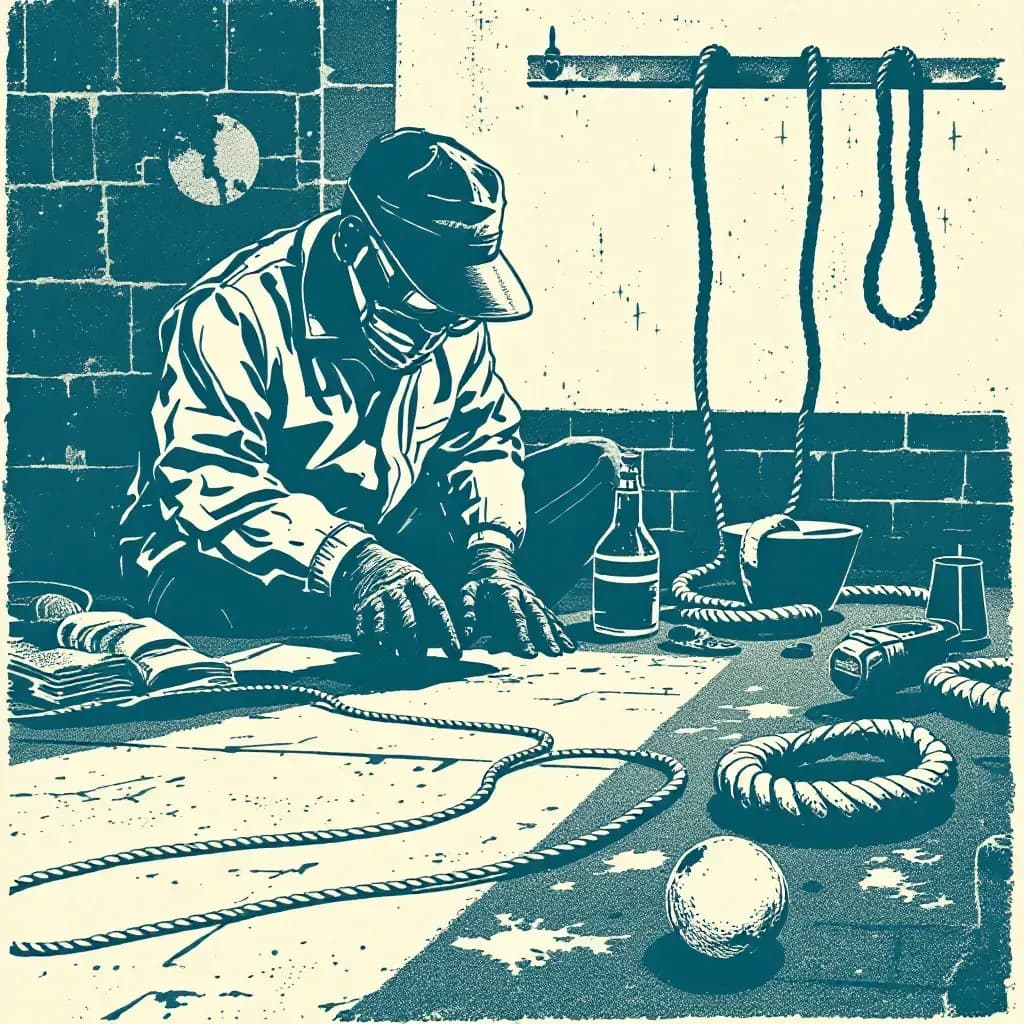
Kvælning (strangulation) refers to the act of obstructing or severely restricting the supply of air to a person's lungs by applying pressure to the neck, throat, or airways, preventing normal breathing. The restriction can be achieved through manual compression of the neck, use of ligatures, or other means that impede respiratory function. This action may result in sensations of suffocation, loss of consciousness, injury, or death depending on the duration and intensity of the obstruction.
Under Danish criminal law, there is no standalone statutory definition or separate offense specifically designated as "kvælning." Instead, acts of strangulation are prosecuted under the general provisions governing violence and homicide in the Danish Penal Code. The legal classification depends on the circumstances of the act, the degree of harm caused, and the perpetrator's intent. Minor instances may be charged as simple assault, while more severe cases can constitute aggravated assault, attempted manslaughter, or murder.
Strangulation is considered a particularly dangerous form of violence due to the vulnerable nature of the neck and airway structures. Even brief compression can cause serious injury or death, and the victim may lose consciousness within seconds. Medical evidence often plays a crucial role in prosecuting these cases, as external injuries may be minimal or absent despite significant internal trauma. Courts consider strangulation an aggravating factor in sentencing, particularly in cases involving domestic violence or sexual assault.
The prosecution must establish the defendant's intent and the nature of the violence inflicted. If the strangulation was committed with intent to kill, it may be charged as attempted murder or murder if death results. If serious bodily harm was intended or caused, charges under aggravated assault provisions apply. The assessment includes factors such as duration of compression, the victim's injuries, and any statements or actions by the perpetrator indicating their mental state during the offense.
Related entries
Read more
Unable to Publish: Case Verification Failed
We cannot publish an article about Marei Stephansen based on available research. Our investigation found no verified English-language sources documenting this case.
Edmund Kemper: From Troubled Child to Serial Killer
Edmund Kemper murdered his grandparents at age 15 in 1964, then spent fewer than five years in detention before being released. A decade later, he would kill seven college students, his mother, and her friend in one of California's most disturbing serial killing sprees.
Grim Sleeper: 22 Years of Terror in South Los Angeles
Lonnie David Franklin Jr., a garbage collector known as the Grim Sleeper, murdered at least 10 young Black women across South Los Angeles between 1985 and 2007. His arrest in 2010 came after a familial DNA match finally connected him to crimes that had haunted the community for more than two decades.
Related articles

Alt om Killer Clown-sagen: dokumentarer, bøger og podcasts
John Wayne Gacy myrdede mindst 33 unge mænd og drenge mellem 1972 og 1978 i Norwood Park Township uden for Chicago. Den amerikanske seriemorder blev kendt som 'Killer Clown', fordi han arbejdede som frivillig klovn til velgørende arrangementer, mens han førte et dobbeltliv fyldt med mord, voldtægt o
Jade Janks: Post Mortem Explores the Secret Nude Photos Case
The CBS podcast Post Mortem delves into the case of Jade Janks, convicted of murdering her stepfather Tom Merriman after discovering intimate photos of herself on his computer.

Danish Study Challenges Perceptions of Female Criminality
Susanne Sperling's work 'Forbrydelsen Indefra: Kriminelle kvinders sind' addresses controversial questions about female criminality and societal attitudes toward women offenders in Denmark.

Unable to Publish: Case Verification Failed
We cannot publish an article about Marei Stephansen based on available research. Our investigation found no verified English-language sources documenting this case.

Edmund Kemper: From Troubled Child to Serial Killer
Edmund Kemper murdered his grandparents at age 15 in 1964, then spent fewer than five years in detention before being released. A decade later, he would kill seven college students, his mother, and her friend in one of California's most disturbing serial killing sprees.

Grim Sleeper: 22 Years of Terror in South Los Angeles
Lonnie David Franklin Jr., a garbage collector known as the Grim Sleeper, murdered at least 10 young Black women across South Los Angeles between 1985 and 2007. His arrest in 2010 came after a familial DNA match finally connected him to crimes that had haunted the community for more than two decades.
The Killer Clown: Inside John Wayne Gacy's 33 Murders
Between 1972 and 1978, John Wayne Gacy murdered at least 33 young men and boys in suburban Chicago while maintaining a public persona as a friendly clown performer. His arrest in December 1978 exposed one of the most disturbing double lives in criminal history.

Marianne Vaatstra Murder Solved After 13 Years by DNA Sweep
The 1999 rape and murder of 16-year-old Marianne Vaatstra in rural Friesland remained unsolved for over a decade until Dutch investigators employed an unprecedented mass DNA screening of thousands of local men, ultimately leading to the 2012 arrest and conviction of Jasper Steringa.
The New Year's Murder of Maria Møller Christensen
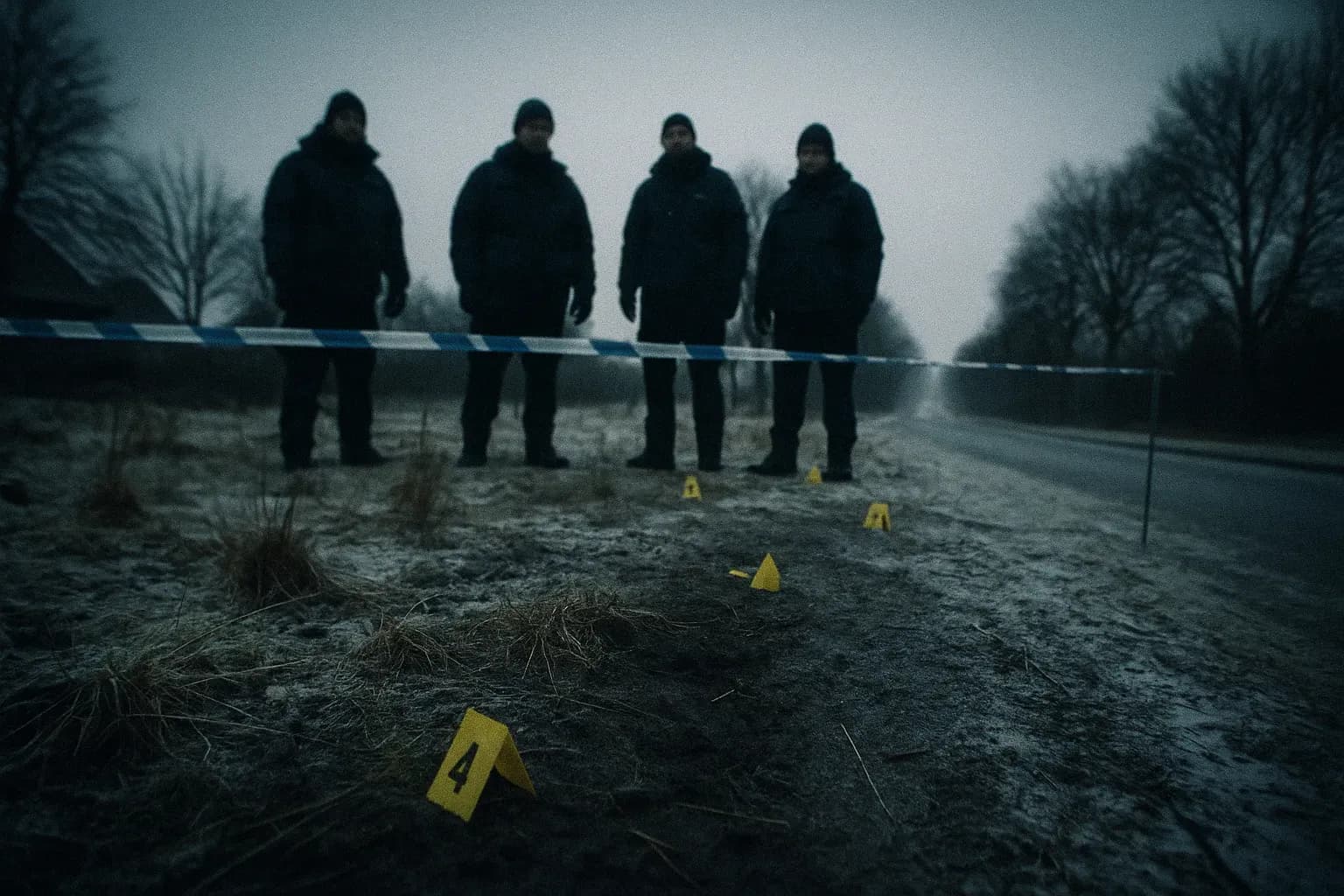
20-year-old Maria Møller Christensen disappeared on New Year's Eve 2022 in Herning, Denmark. She was later found brutally raped and strangled. A 48-year-old man, Jan Erik Henriksen, was convicted of the murder based on DNA evidence.

The Fall of the Blade Runner: Oscar Pistorius Convicted of Murder
Oscar Pistorius, the celebrated South African sprinter known as the Blade Runner, shot his girlfriend Reeva Steenkamp four times through a locked bathroom door on Valentine's Day 2013. After a lengthy legal battle spanning years, he was ultimately convicted of murder and sentenced to over 13 years in prison.

Pedro López: The Monster of the Andes' Reign of Terror
Pedro Alonso López, a Colombian serial killer known as the Monster of the Andes, murdered at least 110 confirmed victims—mostly young girls aged 8 to 13—across Ecuador, Colombia, and Peru during the late 1970s and early 1980s. Arrested in 1980 and convicted in 1983, López was released from prison in 1998 and disappeared in 1999, his current whereabouts unknown.

DNA Genealogy Solves 30-Year-Old Murder of 8-Year-Old
In April 1988, 8-year-old April Tinsley disappeared while walking to a neighbor's house in Fort Wayne, Indiana. Thirty years later, advances in DNA genealogy led to the arrest of John D. Miller, who confessed to raping and strangling the child.