Art theft
When masterpieces disappear – definition, motives, and the complex investigation

Definition
What drives art thieves? Delve into the definition of art theft, the complex motives, and the challenging investigations of these fascinating crimes.
When masterpieces disappear – definition, motives, and the complex investigation
What is art theft – why does it fascinate us so much?
In true crime, the term art theft covers the illegal acquisition of artworks, valuable antiques, or other culturally significant objects. This type of crime often involves items of immense economic and historical value and is typically characterized by sophisticated planning and an aura of mystery, making art theft both a fascinating and deeply problematic phenomenon within the broader category of financial crime.
From greed to obsession: How do art thieves operate?
The motives behind art theft are diverse, ranging from pure financial gain through sales on the black market to a deeply felt desire to possess a unique masterpiece. Stolen art objects can also be used for extortion or as valuable bartering items within organized criminal networks. The execution of art thefts varies considerably: from daring break-ins at heavily secured museums and galleries, which can sometimes include elements of robbery, to more discreet operations based on insider knowledge, advanced fraud, or manipulation. Regardless of the method used, the primary goal is to seize these valuable items, which are subsequently difficult to sell legally. This creates a breeding ground for a specialized circuit of fencing and hidden private collections.
The hunt for heritage: Why is art theft so hard to solve?
The investigation of art thefts is typically an extremely complex and lengthy process, involving meticulous securing and analysis of a crime scene, and often necessitating close international cooperation between specialized police units. These units must possess in-depth knowledge of art history, provenance, and the dynamics of the illegal art market to effectively track and identify stolen items. Recovery of stolen art can take decades, and in many cases, unfortunately, it never succeeds, as the works disappear into private, inaccessible collections or circulate covertly across borders. Beyond the significant financial loss, which often runs into millions, each art theft represents an irreparable loss to our common cultural heritage. The hunt for these missing treasures is therefore a constant challenge for law enforcement agencies, art institutions, and the global community. Art theft is thus a multifaceted area of crime that concerns not only financial gain but also, to a large extent, the preservation of our collective history and identity, and it continues to place great demands on investigative methods and the protection of the world's most valuable cultural artifacts.
Art theft ranges from daring museum heists to sophisticated fraud. Did this pique your interest? Delve into real-life art theft cases – find our exciting cases below.
Read more
The Isabella Stewart Gardner Museum Heist — Unsolved Art Theft
The Isabella Stewart Gardner Museum heist is an unsolved 1990 art robbery in Boston, where two men posing as police officers stole 13 artworks worth an estimated $500 million.
Green Vault Dresden 2019: Germany's Biggest Art Heist
In November 2019, five men carried out one of Germany's most audacious art thefts, breaking into the historic Green Vault museum in Dresden's Residenzschloss and stealing Baroque jewelry and artifacts worth approximately 113 million Danish kroner. The perpetrators, linked to the notorious Remmo clan from Berlin, disabled the museum's alarm and security systems before targeting the jewel collection on the first floor. Three members of the group were convicted in 2021, though most of the stolen artwork has never been recovered.
America's $500M Art Heist Remains Unsolved After 36 Years
On March 18, 1990, two men posing as police officers executed what the FBI calls history's largest known art theft at Boston's Isabella Stewart Gardner Museum. Thirteen masterpieces worth approximately $500 million vanished in a single night—and have never been recovered.
Related articles

This Is a Robbery: The World's Biggest Art Heist
Netflix documentary series about the 1990 Isabella Stewart Gardner Museum heist in Boston — 13 masterworks stolen, none recovered, no convictions to date.

The Isabella Stewart Gardner Museum Heist — Unsolved Art Theft
The Isabella Stewart Gardner Museum heist is an unsolved 1990 art robbery in Boston, where two men posing as police officers stole 13 artworks worth an estimated $500 million.
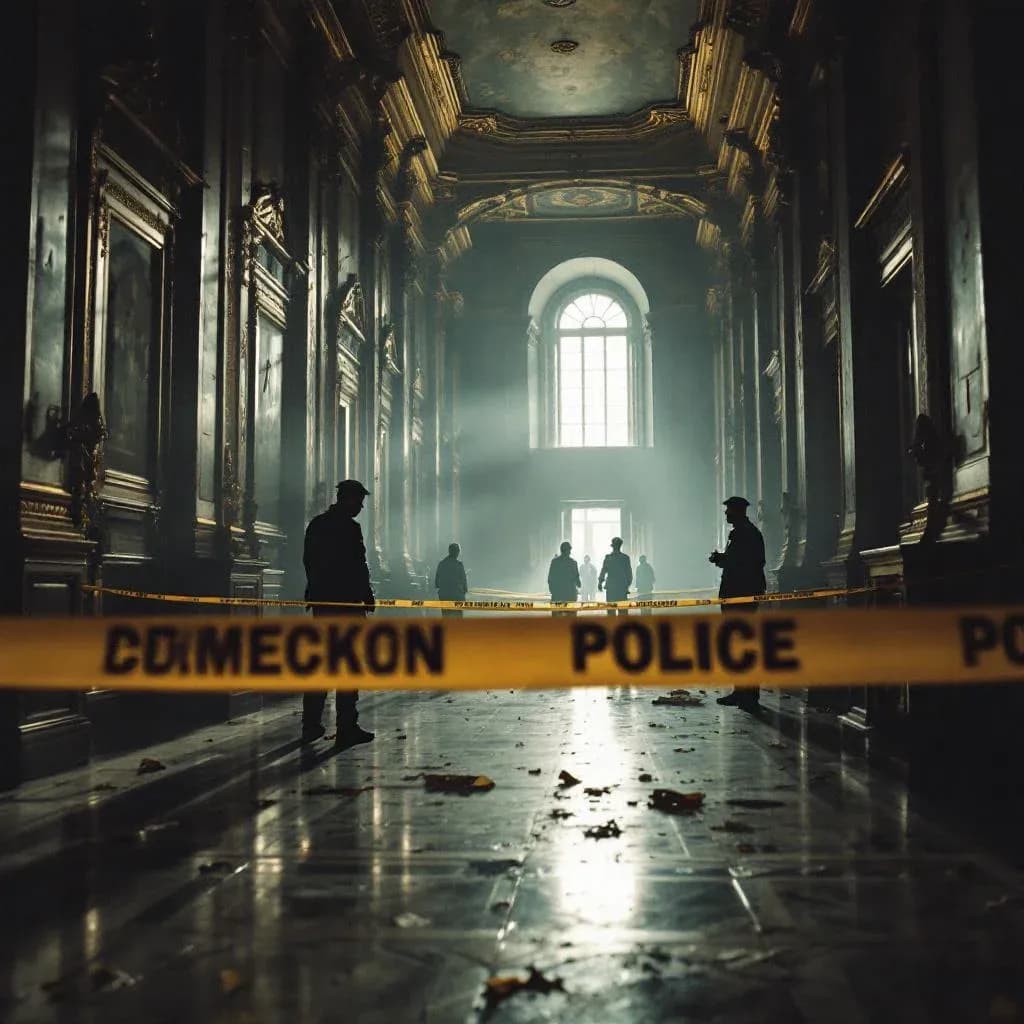
Green Vault Dresden 2019: Germany's Biggest Art Heist
In November 2019, five men carried out one of Germany's most audacious art thefts, breaking into the historic Green Vault museum in Dresden's Residenzschloss and stealing Baroque jewelry and artifacts worth approximately 113 million Danish kroner. The perpetrators, linked to the notorious Remmo clan from Berlin, disabled the museum's alarm and security systems before targeting the jewel collection on the first floor. Three members of the group were convicted in 2021, though most of the stolen artwork has never been recovered.

The Scream Route: Following Norway's Most Infamous Crime
In 1995, 17-year-old Birgitte Tengs was found strangled on a rural path near her home in Karmøy, close to the Norwegian city of Stavanger. Her unsolved murder became one of Norway's most notorious cases, with locals marking the crime scene as the 'Scream Route'—a grim landmark in a community still seeking answers.

New Book Exposes the Gray Zones of Criminal Investigation
A new book on police operations and the pursuit of criminals sheds light on the complex gray zones that define investigative work, covering topics such as art theft, unsolved cases, and hijacking.
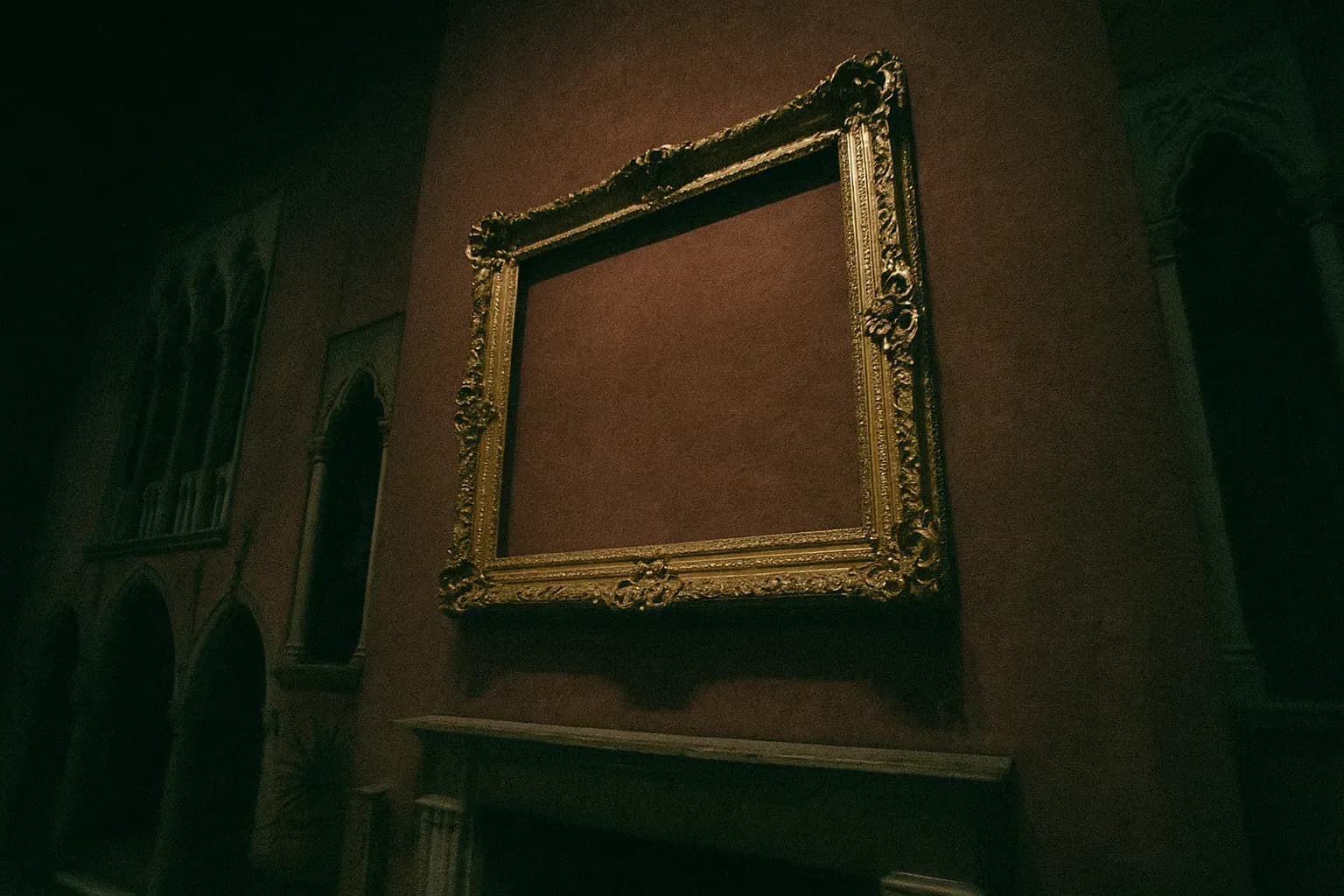
America's $500M Art Heist Remains Unsolved After 36 Years
On March 18, 1990, two men posing as police officers executed what the FBI calls history's largest known art theft at Boston's Isabella Stewart Gardner Museum. Thirteen masterpieces worth approximately $500 million vanished in a single night—and have never been recovered.

America's Greatest Art Heist: 34 Years Unsolved
On March 18, 1990, two men posing as Boston police officers walked into one of America's most prestigious museums and walked out with 13 masterpieces worth over $500 million. Three decades later, the perpetrators remain at large and not a single painting has been recovered.

Van Gogh's Poppy Flowers Stolen Twice From Cairo Museum
A Vincent van Gogh painting worth an estimated $50–55 million vanished from Cairo's Mahmoud Khalil Museum on August 21, 2010, cut from its frame in broad daylight. It was the second time the work had been stolen from the institution—and this time, it has never been recovered.
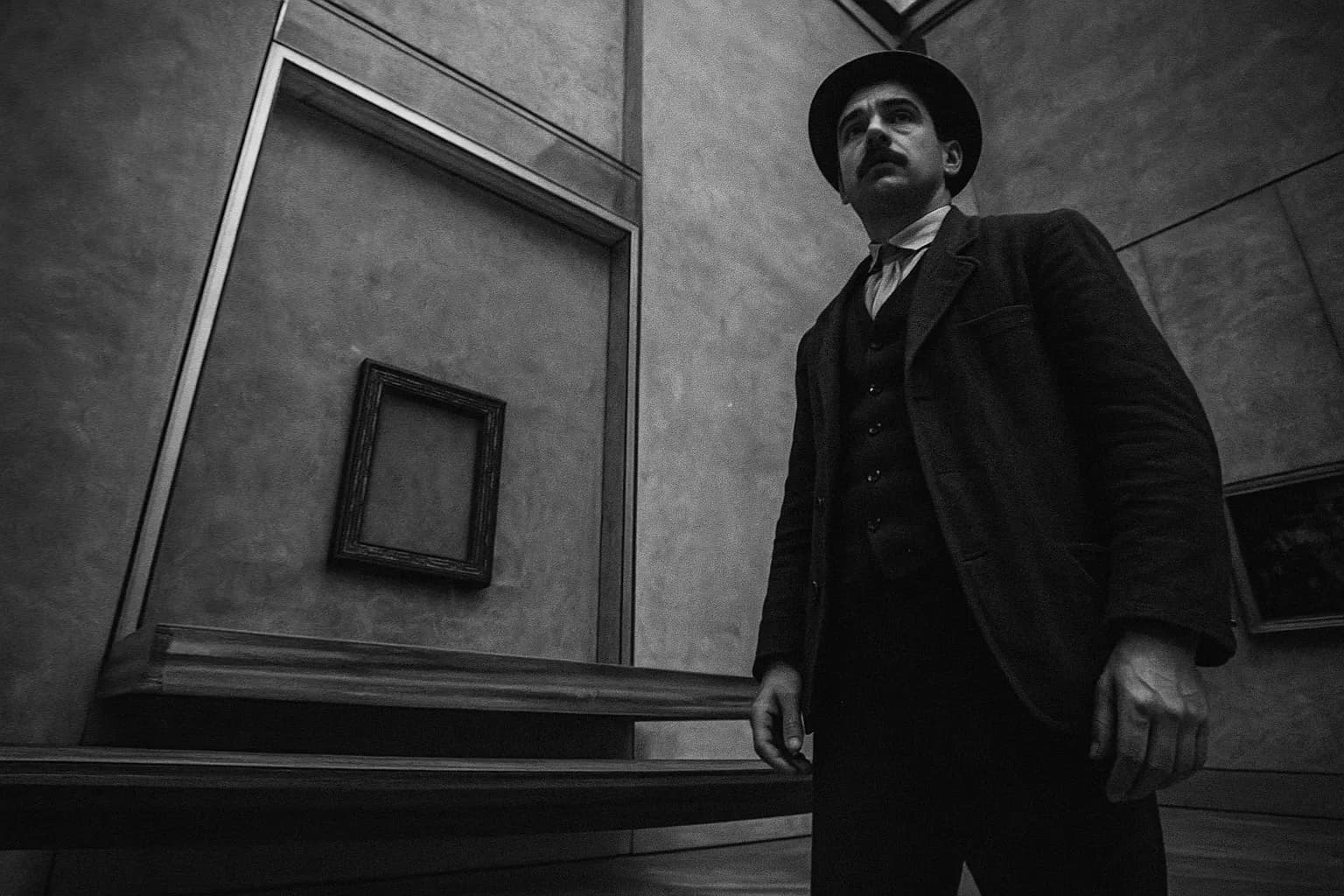
The Italian Painter Who Stole the Mona Lisa
On August 21, 1911, Vincenzo Peruggia, an Italian house painter working in Paris, removed the Mona Lisa from the Louvre Museum and smuggled it out under his worker's smock. His theft—motivated by a belief that the painting belonged in Italy—remained undetected for two years, until his own attempt to return it led to his arrest and the painting's triumphant recovery.