vigilante justice
Private punishment after a crime — unlawful under Danish Penal Code § 294.
Vigilante justice is the act of a private individual taking the law into their own hands and personally enforcing or avenging a crime instead of leaving prosecution to the state and its institutions. The concept covers situations where a person — without the involvement of the authorities — attempts to punish, correct or take revenge on another for an alleged wrong.
Under Danish criminal law, vigilante justice is regulated in the Danish Penal Code (straffeloven) § 294, which provides that a person who unlawfully takes the law into their own hands is punished with a fine. The provision marks a clear boundary: the state holds a monopoly on law enforcement, and private individuals cannot lawfully substitute themselves for the courts, not even where a real and documented crime has occurred.
Vigilante justice differs from lawful self-defence and necessity, which under narrow conditions permit a person to avert an immediate attack. Vigilante justice, by contrast, is characterised by being exercised after a crime has been committed — as a private punishment or act of revenge — and not as an instantaneous defence.
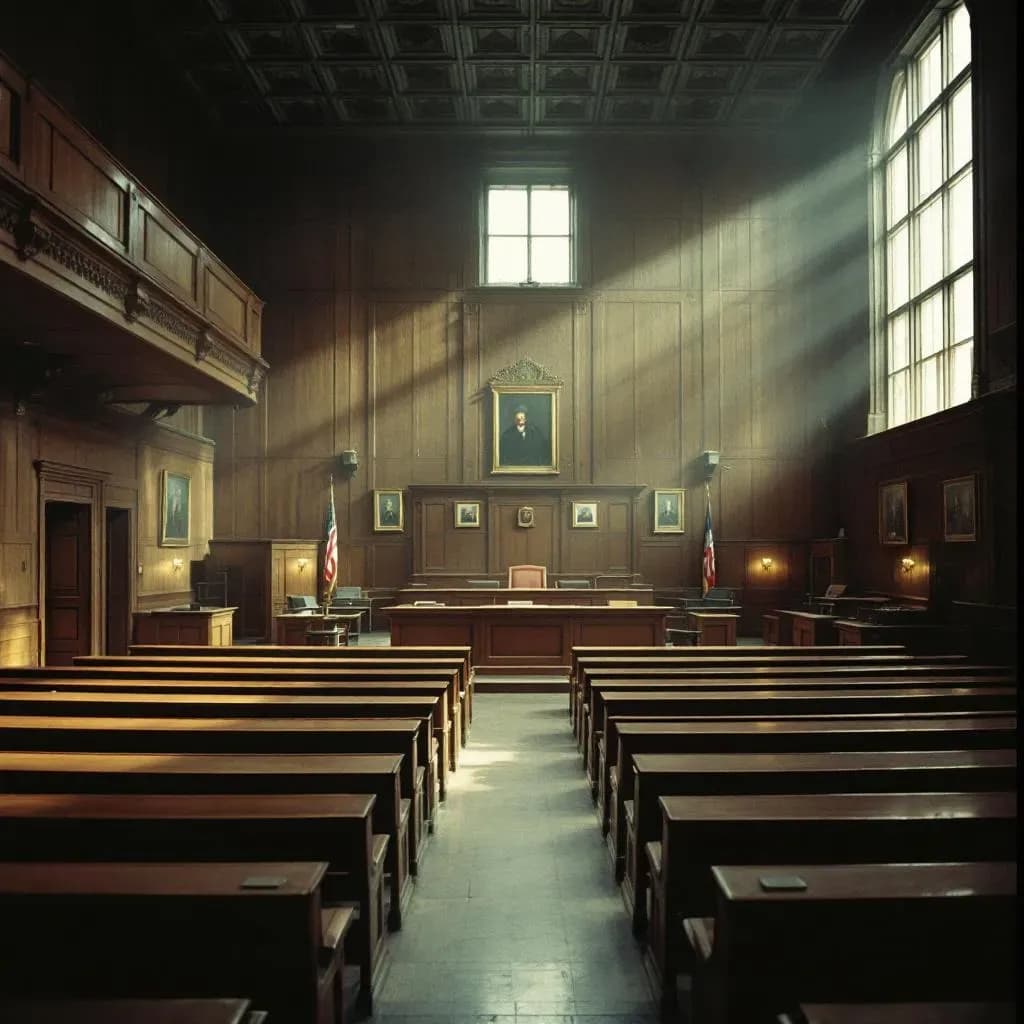
Among the cases this term is linked to on this site, vigilante justice is particularly clearly illustrated by Marianne Bachmeier, who in 1981 shot her daughter's killer during his trial in a German court. The act is the classic example of vigilante justice in a courtroom setting: a parent who does not await the state's verdict, but executes her own. Similar dynamics appear in the Indian Predator case, where the line between popular justice and unlawful private punishment comes under pressure.
As a phenomenon, vigilante justice often arises from a sense that the justice system is inadequate, too slow or incapable of delivering justice. Whatever the subjective motivation, the act is nonetheless unlawful in Danish and most Western legal systems, precisely because private law enforcement undermines the fundamental principles of the rule of law and the right to a fair trial.