lynching
Punishment or execution without trial, carried out by a crowd acting on its own
Lynching is the punishment or execution of a person without trial, typically carried out by an inflamed crowd acting on its own authority. The term describes a complete breakdown of legal order: no judgment is handed down, no evidence is presented and no opportunity for defence is given — the group takes the law into its own hands and carries out the punishment itself.
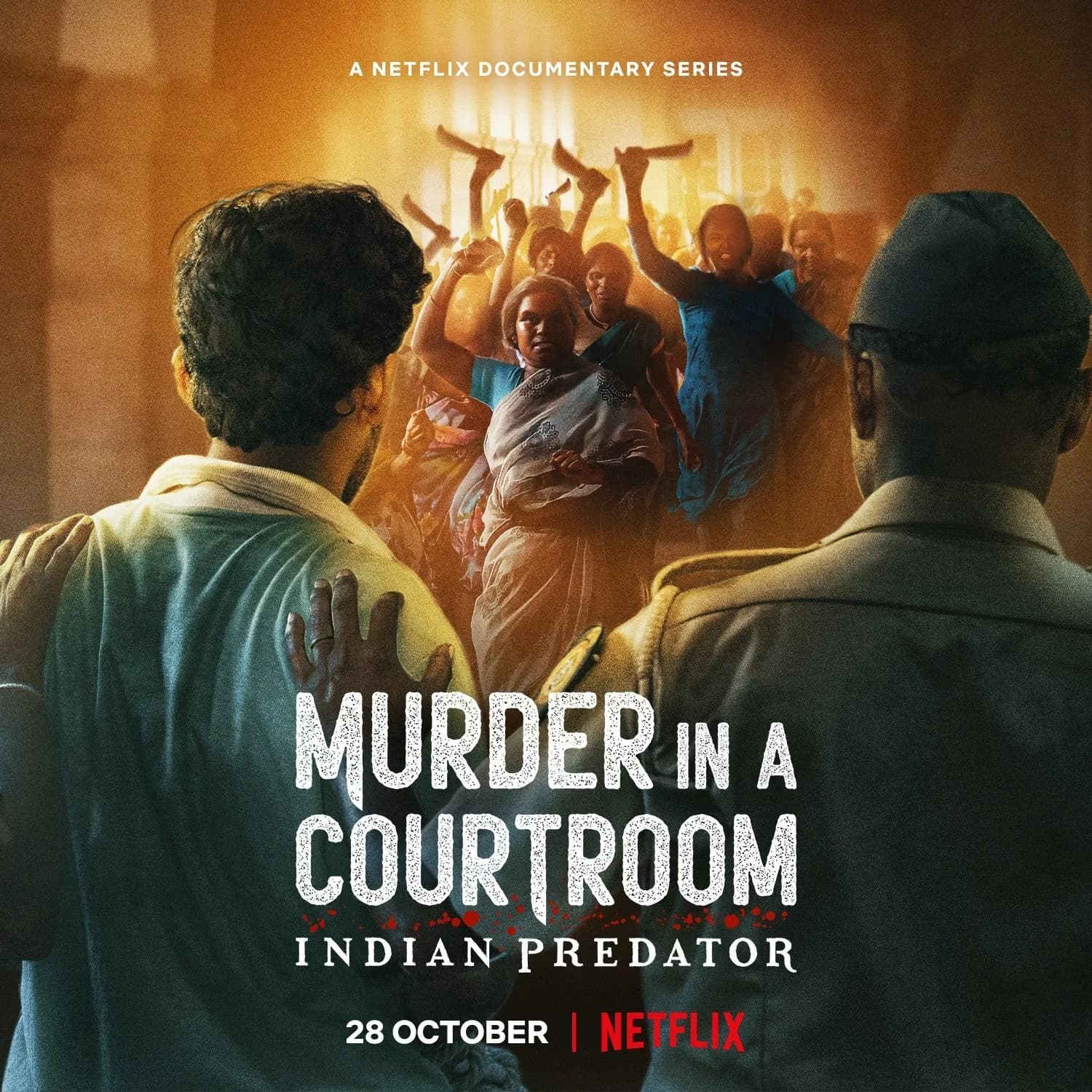
In a true crime context, the concept appears above all where the justice system is either disabled, deliberately bypassed, or reacts so slowly that popular agitation fills the vacuum. In the case covered by *Indian Predator: Murder in a Courtroom*, the lynching is precisely the central event: a defendant is killed inside the court building itself by the victim's relatives and bystanders — an act that literally collapses the boundary between courtroom and public rage. The court as an institution is suspended the moment the crowd takes over its function. In historical Danish cases such as *Anna Klemens*, the term reflects the same dynamic: a person regarded as guilty by those around them is subjected to collective violence or persecution without any court having established guilt. It is mob justice, not the law, that is executed.
Lynching differs from ordinary violence through its collective and ritualised character: the act is committed in a group, is often public, and is marked by a self-appointed sense of justification. The group acts as accuser, judge and executioner at once. It is this very convergence that makes the concept particularly problematic in legal and ethical terms.
In Danish, lynching is not defined in any specific statutory provision, but the acts that make up a lynching — violence, homicide, deprivation of liberty — are of course covered by the general rules of criminal law. The term itself is a linguistic and criminological designation rather than a legal category in Danish law.