Podcast
•May 26, 2025
The Bob Chappell Case: A Conviction Built on Circumstance
Susan Neill-Fraser fights to overturn her murder conviction in Tasmania's most controversial case
In January 2009, Bob Chappell vanished from his yacht moored in Tasmania, Australia. Within months, his de facto partner Susan Neill-Fraser found herself at the center of one of the country's most contentious murder prosecutions—a case that would ultimately hinge almost entirely on circumstantial evidence.
Neill-Fraser was convicted of Chappell's murder in 2010 and sentenced to 23 years in prison. Yet the case remains extraordinary for what authorities could not prove: there was no body, no eyewitnesses, no recovered murder weapon, and no confession. Instead, prosecutors built their case on circumstantial details and theory.
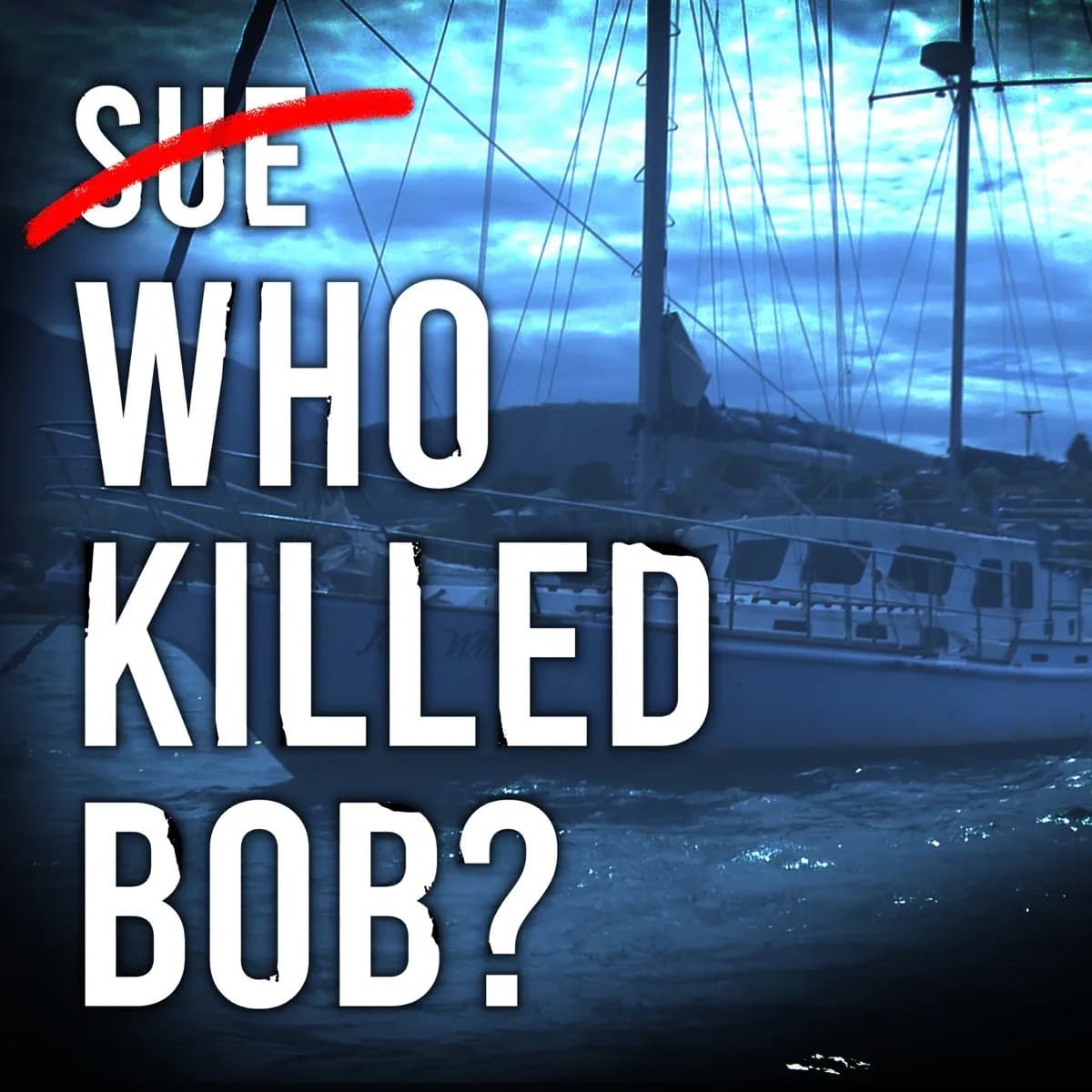
Neill-Fraser has maintained her innocence throughout her imprisonment, and her legal team has pursued an appeal based on what they describe as "fresh and compelling evidence." That appeal was pending before the Supreme Court of Tasmania as of November 2021, when the podcast series "Who Killed Bob?" launched, reigniting public attention on the case.
The podcast itself appears to examine the weaknesses in the court's case against Neill-Fraser—the very foundations upon which her conviction rests. For an international audience, the case represents a significant question about the limits of circumstantial evidence in serious criminal convictions and the vulnerability of defendants when physical evidence is absent.
Tasmania's legal system faced considerable scrutiny over this prosecution. The absence of foundational evidence—a body, forensic proof, or direct witnesses—raises fundamental questions about how a jury could return a guilty verdict beyond reasonable doubt. The case has become emblematic of concerns raised by legal experts about convictions that depend heavily on inference rather than concrete proof.
Neill-Fraser's appeal represents a critical moment for the case. The "fresh and compelling evidence" referenced in her legal challenge could potentially alter the trajectory of her conviction, though as of the latest verified reporting, the outcome remained pending.
The Bob Chappell case continues to generate significant public interest in Australia and internationally. It serves as a stark reminder of the complexities within the criminal justice system—particularly when high-profile prosecutions proceed with limited physical evidence. Whether Neill-Fraser's appeal will succeed, or whether new evidence will emerge, remains to be seen. What is certain is that the case has become a focal point for discussions about evidentiary standards, the burden of proof, and the rights of the accused in murder prosecutions.
For true crime observers worldwide, the case underscores an uncomfortable reality: conviction does not always require the traditional markers of guilt that forensic science and direct evidence provide. The Bob Chappell case stands as a testament to how conviction can rest on circumstance alone—and how those circumstances can later be questioned.
Sources
https://podcasts.apple.com/us/podcast/who-killed-bob/id1597205860
https://podcasts.apple.com/us/podcast/introducing-who-killed-bob/id1597205860?i=1000544257823
https://open.spotify.com/show/0nmfXm9NNZpJmYlHtC0Ayo
Get an email when a new episode of The Bob Chappell Case: A Conviction Built on Circumstance is released.