About This Episode
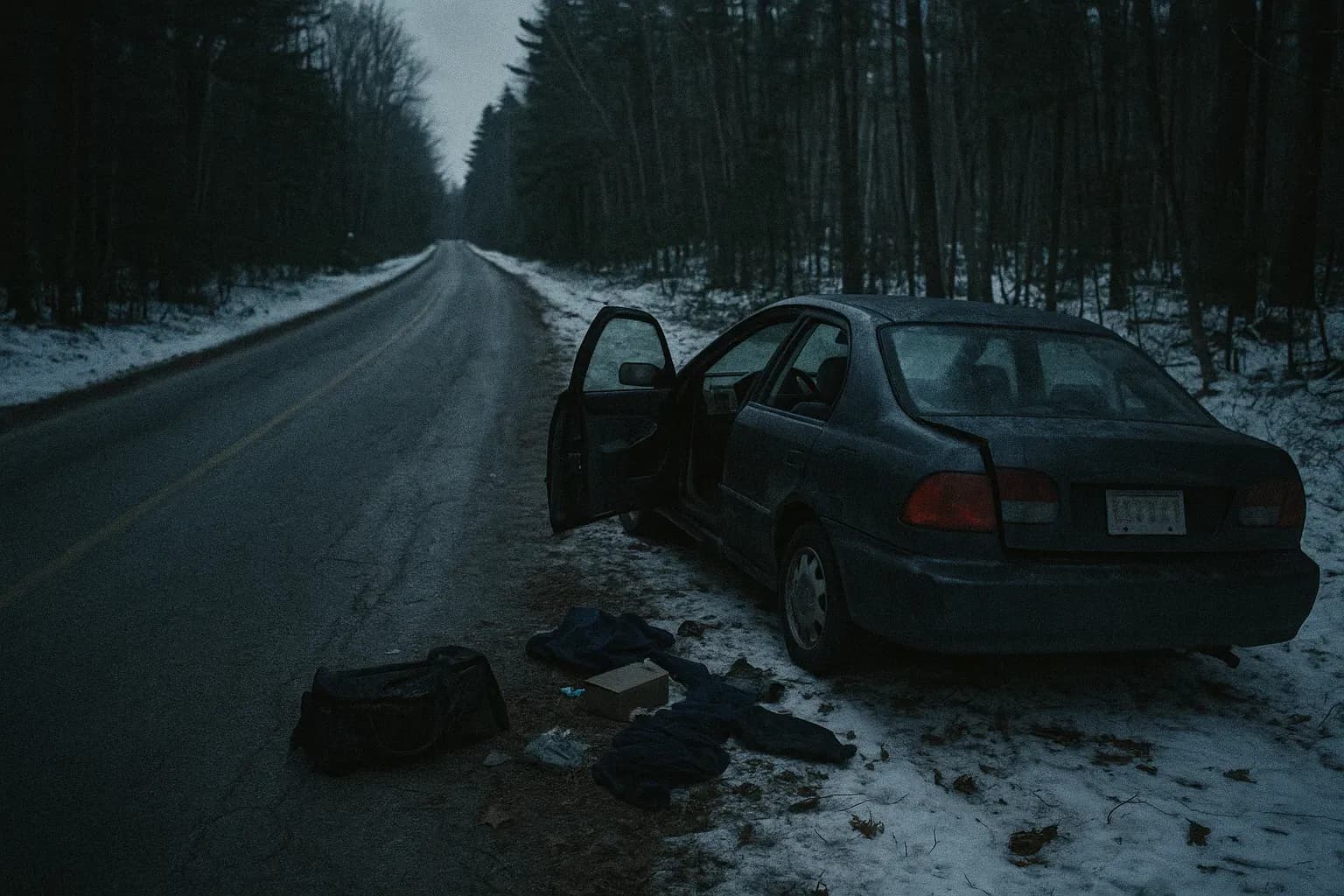
Nevaeh Leigh Kingbird vanished into a winter night that few outside her immediate community remember. The Native American teenager disappeared after fleeing a friend's house in distress, possibly injured while climbing out a window. What might have remained a forgotten case in local records has instead become the subject of intense scrutiny—driven not by traditional media outlets or immediate police action, but by independent true crime podcasters and online communities.
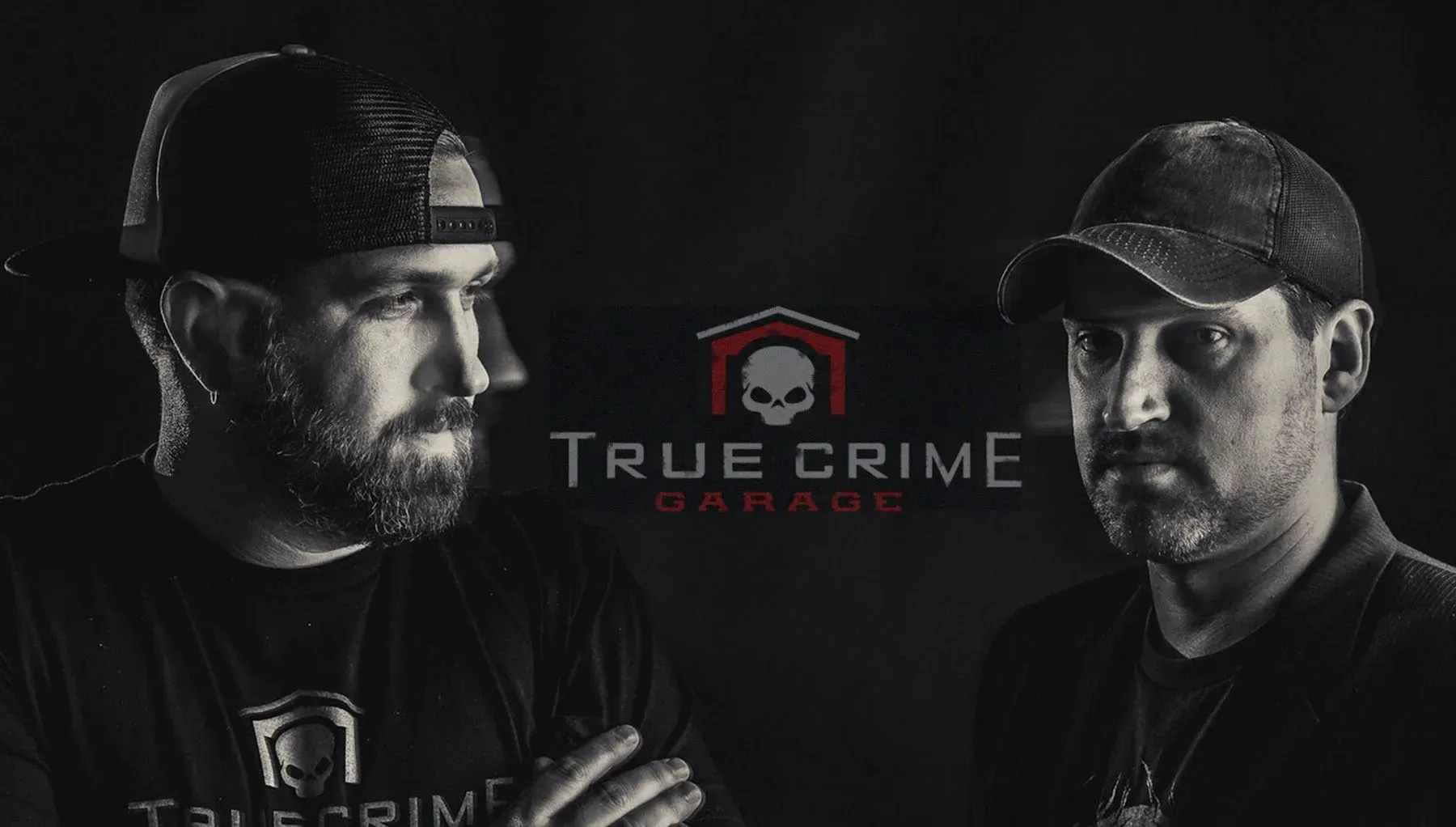
True Crime Garage, the weekly podcast hosted by Nic and Captain, exemplifies a growing phenomenon: independent true crime media outlets filling investigative voids left by underfunded police departments and limited local news coverage. Available across major platforms including Spotify, Apple Podcasts, Amazon Music, and YouTube, the show has built a substantial international audience of mystery enthusiasts and "armchair detectives" who contribute tips, analysis, and resources to cases that might otherwise disappear from public consciousness.
For cases like Kingbird's, the podcast model offers something traditional journalism often cannot: sustained, deep attention to details that initially seemed minor. The timeline of Kingbird's disappearance—a 30-day delay before police assigned an investigator—illustrates a critical problem in North American missing persons cases, particularly those involving Indigenous victims. This systemic lag in response is precisely where independent media fills the gap. True Crime Garage's format allows hosts to present comprehensive case histories, examine evidence chronologically, and keep cases alive in public memory across multiple episodes and years.
The podcast's approach extends beyond passive storytelling. By presenting unsolved cases to a global audience, True Crime Garage and similar shows create collective pressure on authorities. The Kingbird case saw renewed search efforts in September 2023—more than a year after her disappearance—when 100 to 150 volunteers, including Native American advocacy groups and police, conducted coordinated searches across 1,000 hectares of terrain. Such mobilization often traces back to renewed media attention and community engagement sparked by podcast coverage.
This phenomenon reflects broader shifts in how cold cases are investigated internationally. In Scandinavia, similar true crime podcast networks have emerged, addressing cases with institutional gaps. The podcast format's accessibility—available on demand, requiring no specialized knowledge to consume—democratizes investigative work. Listeners become informed about cases and can contribute information, theories, or resources to investigations.
Yet the Kingbird case also reveals limitations. Despite extensive searches, volunteer efforts, and media attention, she remains missing. No remains have been recovered. DNA testing has yielded no matches. The case illustrates that while podcasts can mobilize communities and maintain public attention, they cannot substitute for adequately resourced police investigations, forensic services, or institutional commitment to missing Indigenous persons cases.
For True Crime Garage's international audience, Kingbird's disappearance represents something beyond true crime entertainment—it's a window into systemic failures affecting vulnerable populations across North America. The case demonstrates why independent true crime media has become essential: authorities, whether in small-town America or rural communities, sometimes deprioritize cases involving marginalized victims. Podcasters and online communities, however imperfectly, ensure these cases don't vanish from public discourse.
As True Crime Garage continues documenting cases weekly, hosting episodes on missing persons like Brandon Lawson, Asha Degree, and others, the podcast format itself has become a mechanism of accountability. The show's substantial archive and growing international listenership create lasting records of cases that institutions may overlook. Whether this approach ultimately solves more cases remains uncertain, but it unquestionably ensures that missing persons—particularly those from underserved communities—retain visibility and community support long after official investigations have stalled.