About This Episode
Serial's third season represents a departure from the podcast's previous format. Rather than investigating a single extraordinary crime, the production team in Cleveland, Ohio chose to examine how the criminal justice system operates across ordinary cases—from misdemeanors to serious felonies.
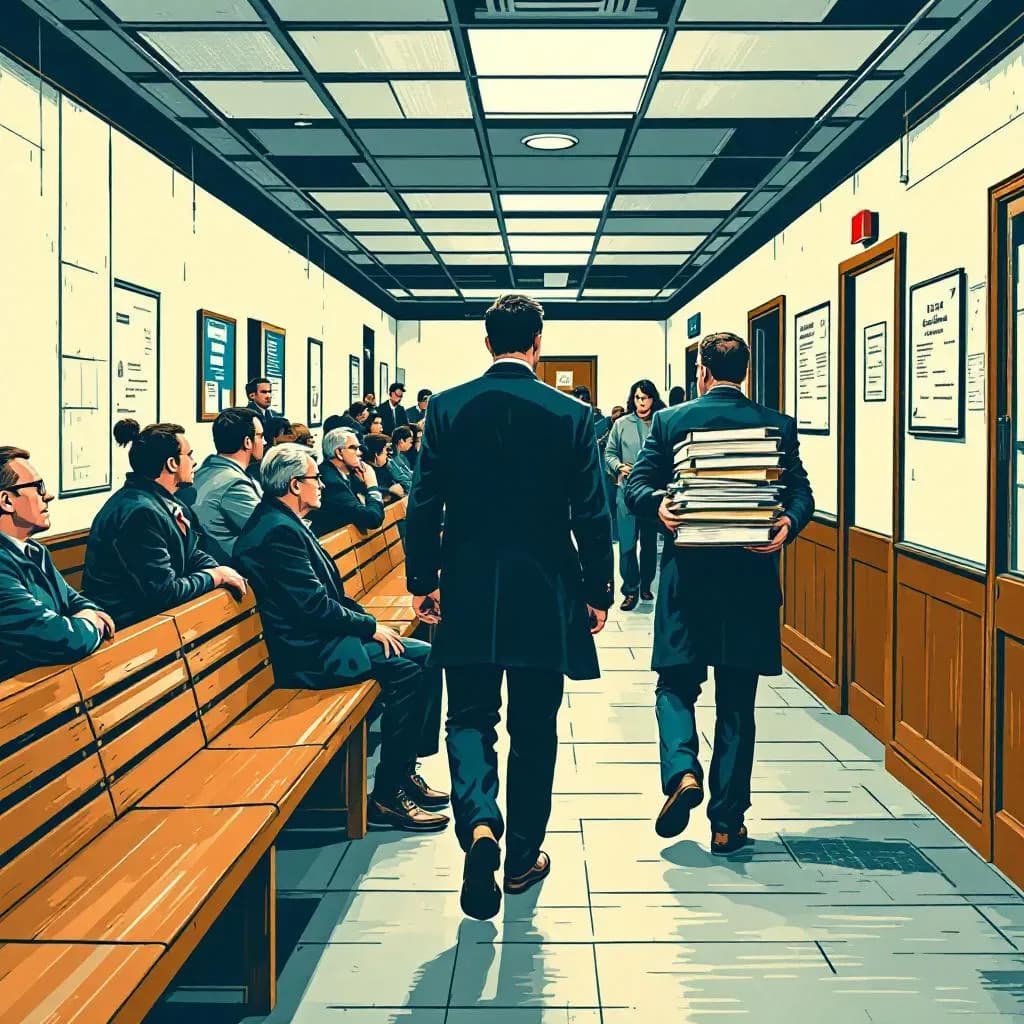
The podcast gained extraordinary access to the inner workings of American justice. Producers were permitted to record in courtrooms, back hallways, judges' chambers, and prosecutors' offices—a level of transparency rarely granted to documentary journalists. This access allowed Serial to move beyond courthouse procedures into neighborhoods, homes, and prisons, following cases as they progressed through the system.
A Different Kind of Investigation
Series host Sarah Koenig acknowledged from the outset that single cases cannot fully represent how court systems operate. This recognition prompted a broader investigation into "how justice is calculated" when cases range dramatically in severity. The podcast examines not just verdicts and sentences, but the reasoning and biases that shape judicial decisions.
Documented Systemic Issues
The investigation exposed several critical problems within Cleveland's criminal justice system. Judge Daniel Gaul emerges as a central figure, with the podcast documenting his sentencing practices and reported use of anti-Black stereotypes. Gaul's caseload reportedly includes thousands of people on probation, raising questions about how individual cases receive attention and consideration.
Police harassment of defendants surfaces as another recurring issue throughout the season. Beyond individual incidents, the podcast traces patterns of conduct that suggest systemic problems rather than isolated misconduct.
The investigation also identifies unconstitutional parole conditions imposed on defendants—a finding that raises serious questions about whether conditions of release comply with constitutional protections. These issues suggest that unfairness in the American criminal justice system operates not just through verdicts, but through the conditions imposed before, during, and after trial.
Individual Cases and Broader Patterns
The podcast follows specific individuals through the system. Joshua, one subject, is tracked from juvenile detention through county jail. Authorities characterized him as "beyond reform"—a judgment that the podcast's investigation invites viewers to examine critically. By following individual cases in detail, Serial connects personal experiences to systemic patterns.
These individual stories serve to illustrate larger structural issues. They are not presented as isolated tragedies but as examples of how the criminal justice system operates regularly, often invisibly, in American cities.
Why This Matters Internationally
For international audiences, Serial season 3 offers insight into how the American criminal justice system functions beyond high-profile cases. Many international observers understand American justice through sensational criminal trials or DNA exoneration cases. This season instead documents the routine operation of courts in a major American city—where bias, procedural shortcuts, and systemic inequities shape outcomes for ordinary people.
The podcast's investigation into judicial bias and unconstitutional practices raises fundamental questions about whether the American justice system delivers fairness consistently. By examining Cleveland's courts in detail, Serial contributes to broader conversations about criminal justice reform in the United States.
The unprecedented access granted to producers—to judges' chambers, prosecutors' offices, and other normally closed spaces—makes this investigation particularly significant. Few documentaries gain such intimate access to the actual machinery of American criminal courts.
Sources
https://serialpodcast.org/season-three/about
https://podcastreview.org/review/serial-season-3/
https://podsearch.com/listing/serial-season-3.html