About This Episode
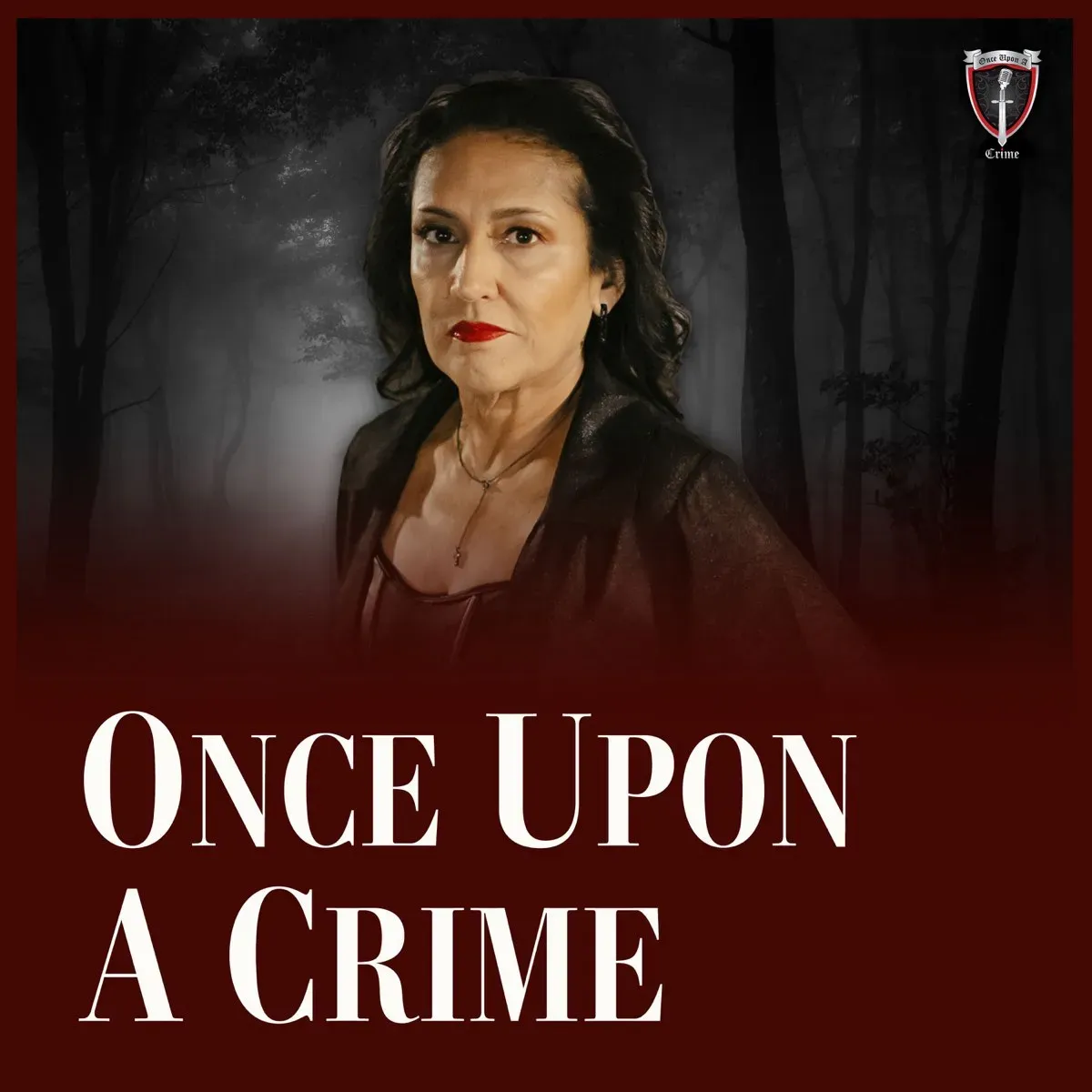
Esther Ludlow produces Once Upon A Crime as a solo venture—writing, producing, and editing every episode herself. The result is a true crime podcast that distinguishes itself through psychological depth and contextual storytelling rather than tabloid sensationalism.
The podcast operates on a thematic series model where individual episodes remain standalone, allowing listeners to jump into specific cases without prior knowledge. This format has proven effective across the show's diverse case catalogue, which spans decades and continents.
Scope and Coverage
Once Upon A Crime examines some of history's most notorious cases with measured analysis. Ted Bundy receives multiple episodes documenting his 1974 attacks through his eventual execution. The podcast also investigates lesser-known perpetrators with equal rigor—Dennis Rader (BTK), Charles Starkweather, and Fernando Cota, whose six-week killing spree claimed six women in San Jose during fall 1984.
The show balances infamous cases with stories of survival and resilience. Episodes cover kidnapping victims including Elizabeth Smart, Jaycee Dugard, and the 14-year-old who escaped the Chowchilla school bus after 36 hours underground. Patty Hearst's kidnapping and the Saskia Inwood case (recent and ongoing) demonstrate the podcast's commitment to both historical and contemporary crime.
International cases feature prominently. Mary Bell was convicted at age 11 for two murders in 1968 England. Ruth Ellis, the last woman executed in the UK, receives dedicated coverage. The Cecil Hotel—an infamous locale linked to multiple crimes—anchors the show's series on criminogenic environments.
Psychological Focus
What sets Once Upon A Crime apart is Ludlow's emphasis on criminal psychology and the social forces shaping both perpetrators and victims. Rather than dwelling on graphic details, episodes explore motivation, mental pathology, and circumstance. This approach extends to celebrity stalkers Mark David Chapman and John Hinckley, cases where psychology proves central to understanding violent ideation.
Kitty Genovese's case illustrates this method—the podcast examines not just the crime but the bystander effect and urban isolation that defined the narrative. Similarly, the Chowchilla episode centers the psychological resilience of a child trapped underground, not merely the kidnapper's actions.
Accessibility and Distribution
Ludlow's solo production model hasn't limited distribution. Once Upon A Crime reaches listeners across Apple Podcasts, Spotify, Amazon Music, iHeart, ART19, and YouTube—ensuring international accessibility. The standalone episode format removes barriers to entry for new audiences.
Editorial Standards
The podcast explicitly avoids glorifying criminals, a distinction increasingly important as true crime media faces scrutiny for sensationalism. Ludlow's research-first approach reflects this commitment. Each narrative emerges from careful investigation rather than speculation or dramatization.
For true crime audiences seeking psychological insight over lurid storytelling, Once Upon A Crime offers substantive alternatives. The podcast proves that criminal investigation can illuminate human behavior and social context without exploiting tragedy.
Sources
https://podcasts.apple.com/us/podcast/once-upon-a-crime/id1122650415
https://music.amazon.com/podcasts/425dc3bc-84a6-4495-90c7-6963947e9abf/once-upon-a-crime
https://art19.com/shows/once-upon-a-crime
https://www.truecrimepodcast.com
https://www.iheart.com/podcast/53-once-upon-a-crime-81285869/