The Manson Family Murders — cult killings in Los Angeles
Los Angeles, California, 1969 — solved
Published June 3, 2026
Case Details
Quick Facts
Classification:
The case in the media
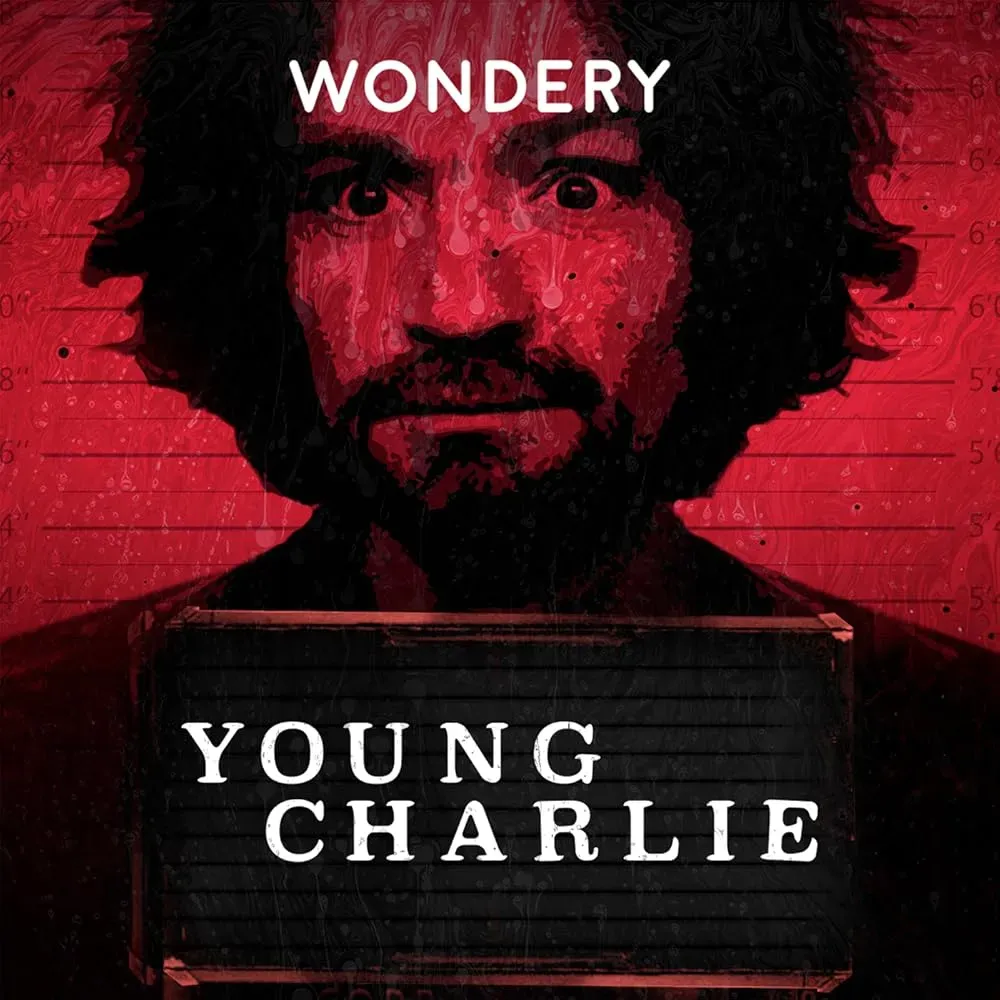
4 documentaries, series, podcasts and books covering this case
The Case
The Manson Family murders were a series of brutal killings in Los Angeles, California, during August 1969 that shocked the nation and came to symbolize the dark end of the 1960s counterculture era. Charles Milles Manson, born November 12, 1934, in Cincinnati, Ohio, led a cult-like group of young followers who carried out multiple homicides under his direction. The case is considered solved, with the core perpetrators identified, tried, and convicted in 1971, though speculation about additional victims remained unresolved.
The murders centered on two particularly horrific nights of violence: the Tate murders at 10050 Cielo Drive on August 8-9, 1969, and the LaBianca murders on August 9-10, 1969. These crimes, along with other killings attributed to the Manson Family, resulted in at least nine deaths and exposed a criminal cult operating under an apocalyptic ideology that Manson called "Helter Skelter."
The Crime
The violence began before the most notorious attacks. On July 27, 1969, Robert Beausoleil, Bruce Davis, and Susan Atkins killed Gary Hinman at his home. Beausoleil was 21, Davis was 26, and Atkins was 21 at the time. This murder set the stage for the more infamous killings that would follow.
Timeline
Gary Hinman murdered
Robert Beausoleil, Bruce Davis and Susan Atkins kill Gary Hinman in his home, marking the beginning of the Manson Family murder spree.
Tate murders on Cielo Drive
Four Manson Family members invade 10050 Cielo Drive and kill Sharon Tate, Jay Sebring, Abigail Folger, Wojciech Frykowski and Steven Parent in a brutal knife and gun attack.
LaBianca murders
The following night, Manson Family members kill Leno and Rosemary LaBianca in their home in Los Angeles and write messages in blood at the crime scene.
First indictments issued
A grand jury issues indictments against Charles Manson and Family members for the Tate-LaBianca murders after months of investigation.
Trial begins
The trial against Charles Manson, Susan Atkins, Patricia Krenwinkel and Leslie Van Houten begins in Los Angeles with extensive media coverage.
Guilty verdicts
All defendants are found guilty of first-degree murder and conspiracy to commit murder in one of the most notorious trials in American history.
Death sentences handed down
Charles Manson and the convicted Family members receive death sentences, later commuted to life imprisonment when California abolished the death penalty in 1972.
Charles Manson dies
Charles Manson dies in prison at the age of 83 after nearly five decades of incarceration without ever showing remorse for orchestrating the murders.
On the night of August 8-9, 1969, four members of the Manson Family invaded the home at 10050 Cielo Drive in Los Angeles. The perpetrators were Charles "Tex" Watson, Susan Atkins, Patricia Krenwinkel, and Linda Kasabian, who acted as lookout. Inside the residence, they murdered five people: actress Sharon Tate, who was eight months pregnant; celebrity hairstylist Jay Sebring; coffee heiress Abigail Folger; Folger's boyfriend Wojciech Frykowski; and Steven Parent, a teenager who was visiting the property's caretaker.
The modus operandi was a home invasion utilizing knives and guns. Victims were bound, stabbed repeatedly, and shot. In a particularly macabre detail, Susan Atkins wrote the word "pig" in Sharon Tate's blood on the front door as the killers departed. The violence was extreme and seemingly senseless, with victims subjected to dozens of stab wounds.
The following night, August 9-10, 1969, the killing continued at the LaBianca residence in Los Angeles. This time, Charles Manson accompanied the group to select the location before leaving Watson, Atkins, Krenwinkel, and Leslie Van Houten to murder Leno LaBianca and his wife Rosemary. The couple was bound and stabbed to death in their home, with messages again written in blood at the scene.
Another victim, Donald "Shorty" Shea, a ranch hand at Spahn Ranch where the Family lived, was also killed by Family members during this period, bringing the total death toll to at least nine.
The Victims
Sharon Tate was perhaps the most famous victim. The 26-year-old actress had appeared in several films and was married to director Roman Polanski, who was in Europe at the time of the murders. Her pregnancy made her death particularly tragic and shocking to the public.
Jay Sebring, 35, was a prominent Hollywood hairstylist whose clients included numerous celebrities. Abigail Folger, 25, was an heiress to the Folger coffee fortune and a social worker. Her boyfriend, Wojciech Frykowski, 32, was a Polish actor and writer. Steven Parent, just 18 years old, was simply in the wrong place at the wrong time, having visited the property's caretaker.
Leno LaBianca, 44, was a wealthy supermarket executive, and his wife Rosemary, 38, was a successful businesswoman who ran a dress shop. The couple had no connection to the Tate victims or to Manson, making their selection appear random.
Gary Hinman was a music teacher and small-time drug dealer who knew some Family members. Donald "Shorty" Shea worked at Spahn Ranch and had reportedly expressed concern about the Family's activities, which may have led to his murder.
Investigation
The investigation into these brutal murders took months to connect the crimes to Charles Manson and his followers. Initially, police did not link the Tate and LaBianca murders, despite their proximity in time and similar characteristics.
The breakthrough came through Susan Atkins, who was arrested on unrelated charges and began boasting about the murders to cellmates. Her statements eventually led investigators to the Manson Family. Linda Kasabian, who had participated as a lookout during the Tate murders, became a crucial witness for the prosecution, providing detailed testimony in exchange for immunity.
In December 1969, the first indictments were handed down against Manson and Family members. The case against them was built largely on circumstantial evidence and witness testimony. According to legal documents from the case, the only direct evidence tying Manson, Krenwinkel, and Atkins to the Tate-LaBianca murders was the testimony of accomplice witnesses, particularly Linda Kasabian.
The Motive: Helter Skelter
Charles Manson's background as a former convict who exerted influence through charisma and manipulation was central to understanding the crimes. Manson had spent much of his life in and out of correctional facilities before gathering his followers in the late 1960s.
The prosecution, led by Deputy District Attorney Vincent Bugliosi, argued that Manson orchestrated the murders to spark what he called "Helter Skelter"—an apocalyptic race war. Manson had developed this bizarre ideology based on his interpretation of Beatles songs, particularly from the White Album. He believed that the murders of wealthy white people, with evidence planted to suggest Black Panthers were responsible, would trigger a racial conflict that would ultimately leave him and his Family in control.
This theory, while seemingly far-fetched, was supported by testimony about Manson's teachings and the Family's activities in the months leading up to the murders. Manson exercised near-total control over his followers through manipulation, drugs, and psychological abuse.
Trial and Verdict
The trial of Charles Manson, Susan Atkins, Patricia Krenwinkel, and Leslie Van Houten began in June 1970 and became a media spectacle. The defendants were disruptive in court, at times singing, shouting, and carving X's into their foreheads. Manson attempted to fire his attorney multiple times and made threatening statements.
Despite the lack of physical evidence directly tying Manson to the murder scenes—he had not personally killed any of the victims—the prosecution successfully argued that he had directed and controlled his followers to commit the murders. Charles "Tex" Watson was tried separately after being extradited from Texas.
On January 25, 1971, all defendants were found guilty of first-degree murder and conspiracy to commit murder. On March 29, 1971, they received death sentences. However, when California temporarily abolished the death penalty in 1972, these sentences were commuted to life imprisonment with the possibility of parole.
Robert Beausoleil, Bruce Davis, and Steve "Clem" Grogan were convicted in separate trials for other Manson Family murders.
Today
Charles Manson died in prison on November 19, 2017, at age 83, having spent nearly five decades incarcerated. He never expressed genuine remorse for the murders and was denied parole twelve times.
Susan Atkins died in prison in 2009 after being denied compassionate release despite terminal cancer. She had been denied parole thirteen times. Patricia Krenwinkel, Leslie Van Houten, Charles "Tex" Watson, and Robert Beausoleil remain incarcerated, though Van Houten was granted parole in 2023 after multiple previous recommendations were overturned by governors.
The Manson Family murders have remained a subject of intense public fascination for over five decades. The case has inspired numerous books, including prosecutor Vincent Bugliosi's bestselling "Helter Skelter" (1974), countless documentaries, films, and television series. The crimes are frequently cited as symbolizing the end of the idealistic 1960s counterculture and the beginning of a darker, more cynical era.
The house at 10050 Cielo Drive where the Tate murders occurred was demolished in 1994, and a new structure was built with a different address. Spahn Ranch, where the Manson Family lived, was destroyed in a wildfire in 1970.
The case continues to generate discussion about cult psychology, the nature of criminal influence, and the limits of the counterculture movement. Recent documentaries and dramatizations, including Quentin Tarantino's 2019 film "Once Upon a Time in Hollywood," have introduced the case to new generations, ensuring that the Manson Family murders remain one of the most studied and discussed criminal cases in American history.
Legacy and Cultural Impact
The Manson Family murders fundamentally changed how Americans viewed both the counterculture movement and personal safety. The random nature of the LaBianca killings, in particular, shattered the notion that violence only affected those involved in risky lifestyles. The fact that wealthy residents of exclusive neighborhoods could be targeted in their homes created widespread fear.
The case also raised important questions about criminal responsibility and the extent to which a manipulative leader can be held accountable for murders committed by followers. The successful prosecution of Manson, despite his not being present at the murder scenes, established important legal precedents about conspiracy and criminal direction.
For law enforcement, the case highlighted the dangers of cult-like groups and the importance of connecting seemingly unrelated crimes through coordinated investigation. The months-long gap between the murders and the arrests demonstrated both the complexity of such investigations and the critical role of witness testimony in solving crimes without substantial physical evidence.
Ask about this case
Answers from KrimiNyt's coverage onlyThe case in the media
4 documentaries, series, podcasts and books covering this case
TV series
Follow this case
Get an email when a new documentary, podcast or book about The Manson Family Murders — cult killings in Los Angeles appears, or when a verdict is reached.