About This Episode
On March 2, 1998, 10-year-old Natascha Maria Kampusch was abducted in Vienna by Wolfgang Přiklopil, a computer technician who would hold her captive for the next 3,096 days—over eight years and eight months—in a secret cellar beneath his suburban house.
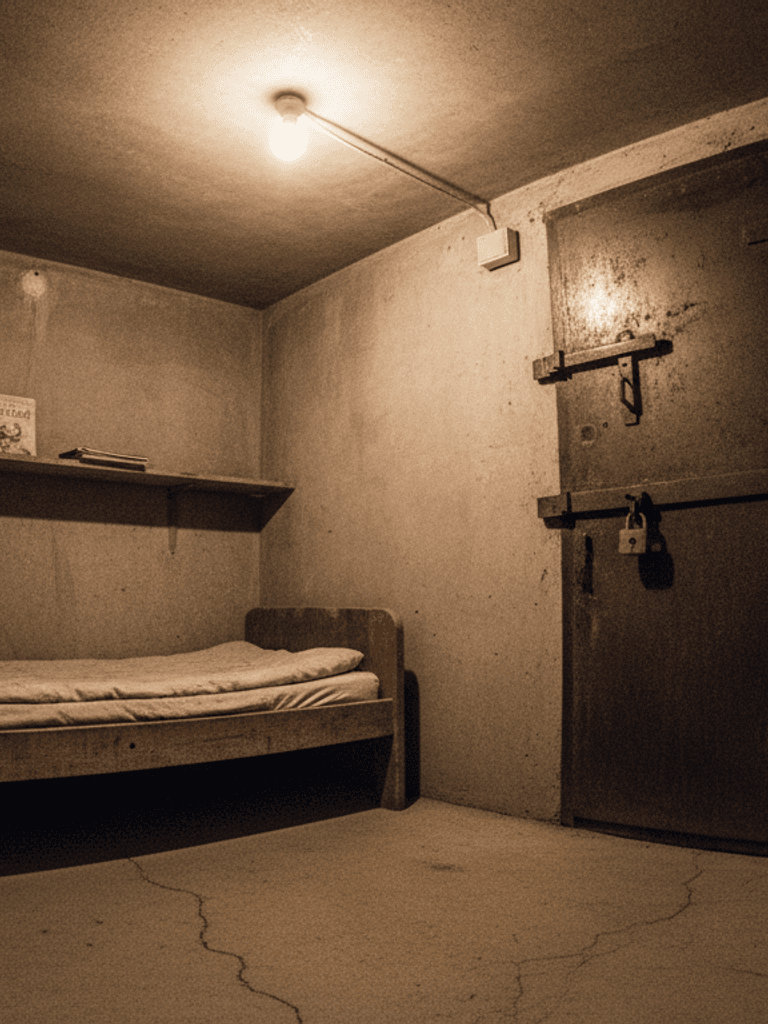
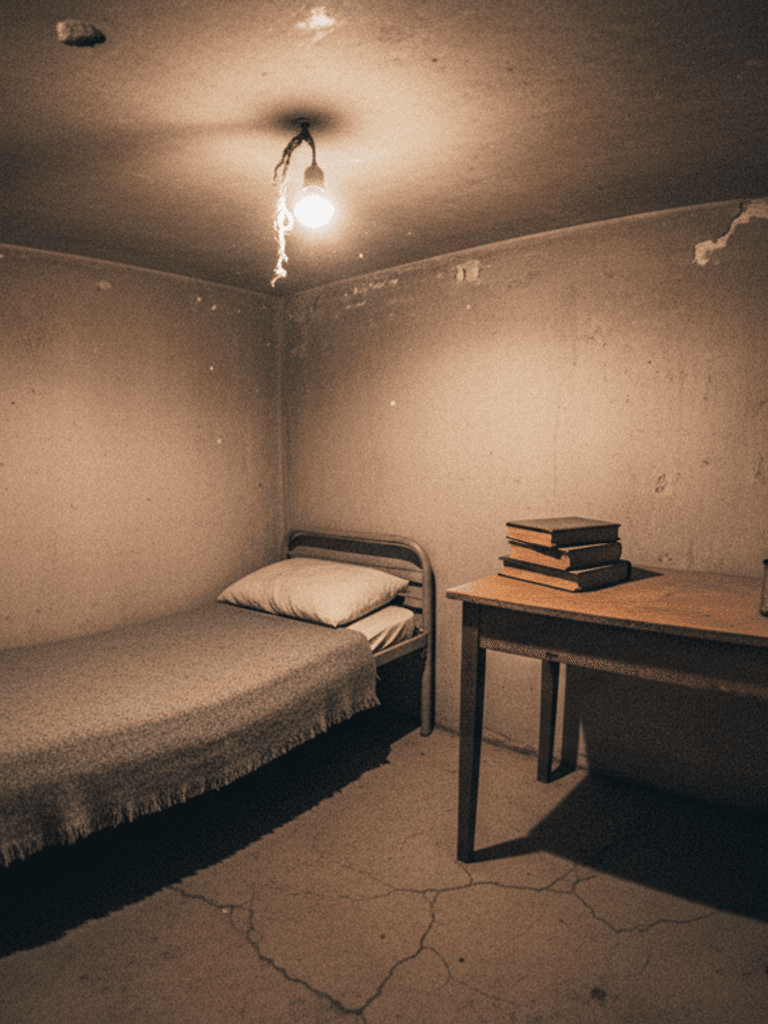
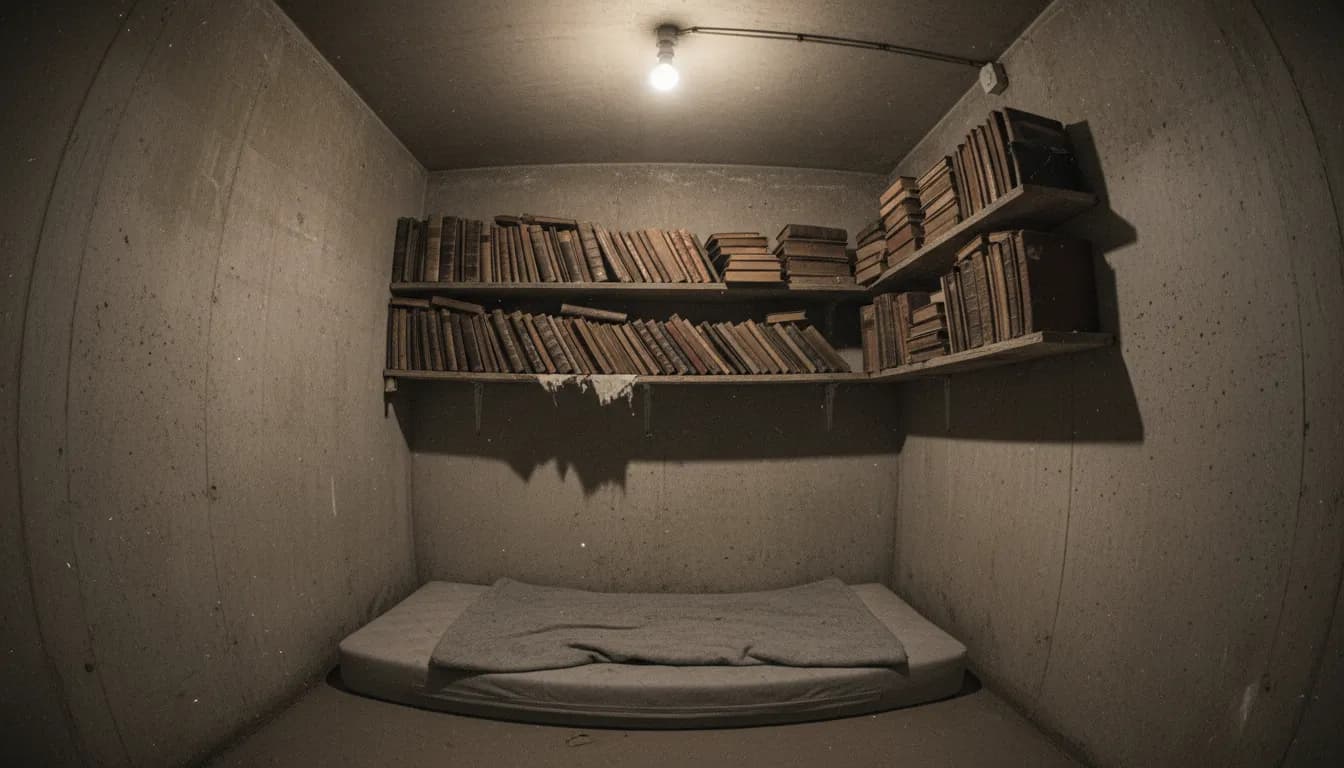
Kampusch's prison was a small, soundproof basement room with no windows, accessed only through a steel hatch concealed behind a cupboard. For the first six months, she was not allowed to leave the chamber at all. As the years progressed, her captor gradually expanded her confined space, eventually allowing her access to the cellar during the day when he was away, and increasingly permitting her upstairs as captivity continued.
The conditions were deliberately designed to break her psychologically. Přiklopil subjected Kampusch to physical abuse including beatings and stabbings, combined with relentless psychological torment. He denied her food as punishment, forced her into unpaid labor—often while half-naked—and demanded complete submission. The captor cultivated a disturbing mythology around himself, claiming to be an "Egyptian god" and insisting Kampusch address him as "Maestro" and "My Lord."
Yet as the years accumulated, something shifted in Přiklopil's behavior. The rigid confinement loosened incrementally. Kampusch was occasionally taken outside in public, even on skiing trips—moments that hinted at possibilities beyond her prison. She remained captive, but not entirely invisible to the world.
On August 23, 2006, the captivity ended. Kampusch escaped her cellar, and in the immediate aftermath, Přiklopil took his own life, dying by suicide at a nearby train station.
What followed was extraordinary. Rather than retreating into anonymity, Kampusch transformed her trauma into testimony. She documented her experiences in the 2010 book *3,096 Days*, a title that quantifies her imprisonment with haunting precision. The book became an international success, translated across multiple languages and adapted into a 2013 film that introduced her story to global audiences.
Kampusch went on to become an Austrian author and talk show host, building a public life grounded in resilience. She even purchased the house where she had been imprisoned—a symbolic reclamation of the space that had defined her darkest years. By owning the structure itself, she transformed it from a monument to her victimization into evidence of her survival and agency.
Her case remains one of Europe's most significant kidnapping and captivity cases, not merely for its duration and brutality, but for what Kampusch did after. She refused to be defined solely by what was done to her. Instead, she became a voice for survivors, demonstrating that even after nearly a decade in darkness, a path forward was possible.
The Natascha Kampusch case continues to resonate because it speaks to fundamental questions about human endurance, psychological resilience, and the possibility of reclaiming one's life after unimaginable trauma.
Sources: https://www.aetv.com/articles/natascha-kampusch-abduction https://en.wikipedia.org/wiki/Natascha_Kampusch https://allthatsinteresting.com/natascha-kampusch