Traffickers: Inside the Golden Triangle
HBO Max/HBO GO, 2021 — Three drug kingpins who ruled Southeast Asia's deadliest narco zone
Quick facts
What Is the Series About?
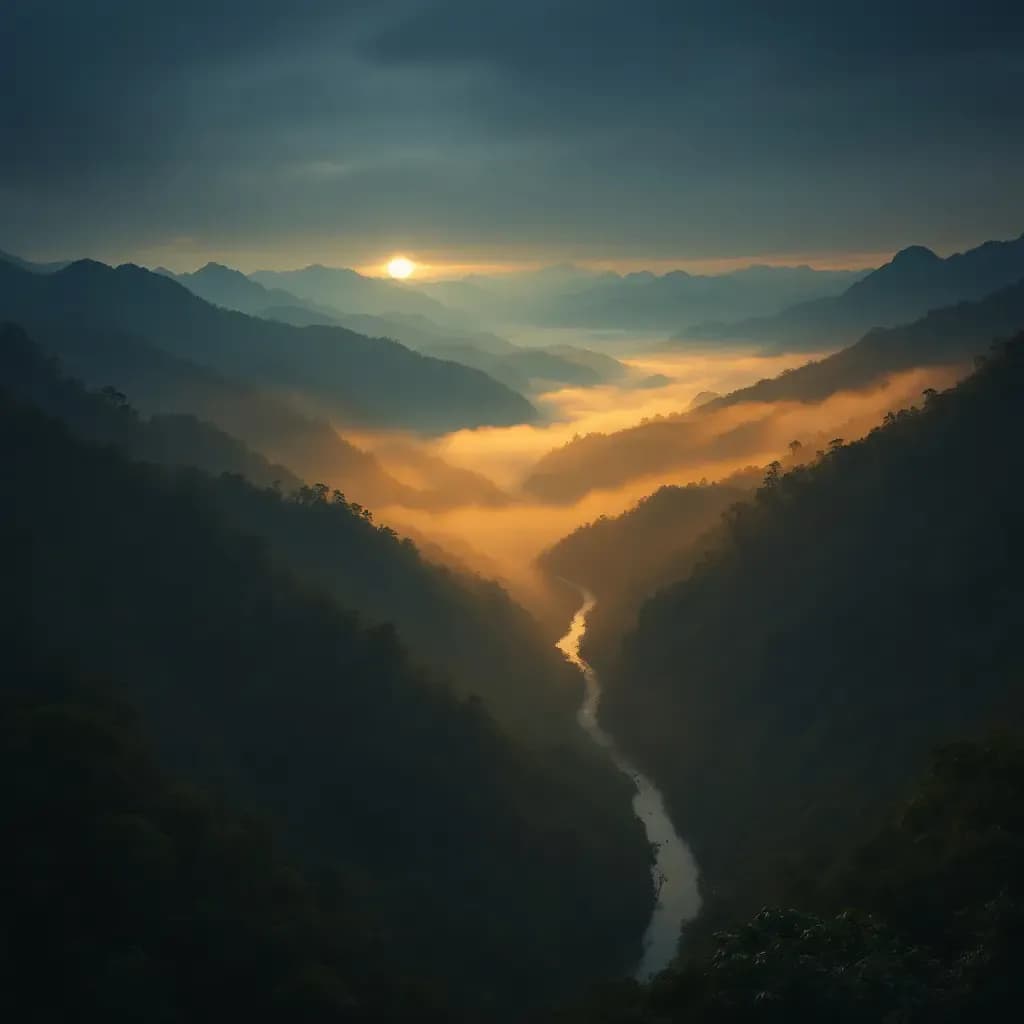
Traffickers: Inside the Golden Triangle is a three-part HBO Asia Original documentary series that profiles three dangerous figures who built their empires in the Golden Triangle — the lawless tri-border zone where Myanmar, Laos, and Thailand converge and where the bulk of the world's opium and heroin has historically been produced. Directed by Robbie Bridgman and first released on July 23, 2021 via HBO GO in Singapore, the series arrived on HBO Max for global audiences on August 24, 2021.
Unlike many true-crime documentaries that follow a single case from crime to courtroom, Traffickers operates as three self-contained profiles, each devoted to a distinct criminal operating in overlapping geography but using different methods — highland warlordism, river piracy, and jet-setting narco entrepreneurship. The result is an anthology-style portrait of one of the most resilient and deadly drug-producing regions on earth.
The Cases
Episode 1 — The Opium Lord: Khun Sa
The most historically significant figure profiled in the series is Khun Sa (also spelled Khun Shar), an ethnic Shan warlord born in the mountainous highlands of Myanmar. Khun Sa built what many analysts consider the largest heroin empire in recorded history, at his peak controlling an estimated 70% of the global heroin trade during the 1970s through the 1990s. His network was directly linked to the heroin epidemic that devastated American cities — approximately 70% of the heroin flooding New York streets during that era is attributed to his supply chain.
Despite being one of the most wanted drug traffickers in the world, Khun Sa was never formally tried or imprisoned. The DEA collaborated extensively with Thai authorities to dismantle his network, but his command over armed militias in remote jungle terrain made direct action extraordinarily difficult. In 1995, he negotiated a surrender to Burmese authorities under a peace deal that explicitly shielded him from prosecution. He lived out his remaining years in Rangoon (Yangon) and died on October 26, 1997, at the age of 67 — a free man.
Episode 2 — The River Pirate
The second episode centers on a figure referred to in the series only as the pirate — an unnamed or pseudonymous individual who exploited the Mekong River as a trafficking corridor between Laos and Thailand. The Mekong, which forms a natural and porous border between multiple Golden Triangle nations, has historically been used by smugglers to move drugs, contraband, and people across jurisdictions where law enforcement coordination is weak. The pirate's full legal identity has not been publicly confirmed, and his current status remains unknown.
Episode 3 — The Laotian Drug Lord: Xana Xopim
The third profile focuses on Xana Xopim, known by the alias The Playboy Drug Lord. A Laotian trafficker, Xopim is portrayed as a figure who combined international drug operations with an ostentatious luxury lifestyle — a stark contrast to the jungle-bound warlords more typically associated with the Golden Triangle. Details about any formal charges, convictions, or current legal status for Xopim are not publicly documented in available sources.
Victims and Community Impact
The series does not profile specific named victims. Instead, it foregrounds the collective human cost of Golden Triangle trafficking: the heroin addicts of 1970s New York, and the communities of Myanmar, Laos, and Thailand ground down by decades of drug-fueled violence, corruption, and instability.
Production
Traffickers: Inside the Golden Triangle was produced as an HBO Asia Original, reflecting the network's growing investment in Southeast Asian documentary content. Director Robbie Bridgman assembled the series using a combination of archival footage, interviews with law enforcement officials, and accounts from individuals on what Decider described as both sides of the law.
Shooting in and around the Golden Triangle presents obvious logistical and safety challenges — the region remains active with armed groups, and some of its key players are still at large or only loosely identified. The production navigated these constraints by leaning heavily on historical documentation and cross-border reporting, stitching together a region-wide narrative from what are often fragmentary public records.
WarnerMedia announced the series officially in July 2021, positioning it as part of a broader push for HBO Asia Original programming aimed at global true-crime audiences. The official HBO Asia trailer showcased the series' atmospheric approach, blending archival imagery of the jungle highlands with contemporary interviews.
Reception
Critical reception has been broadly positive on Rotten Tomatoes, with reviewers praising the series for its archival depth and its willingness to engage with the moral complexity of the region's history. Decider gave it a Stream It recommendation, highlighting the archival footage and the unusual access to sources from multiple sides of the drug trade. The South China Morning Post described the series as laying bare an infamous region with genuine true-crime rigor.
On IMDb (ID: tt15108700), the series holds a rating of 7.3/10 based on 61 user votes — a respectable score for a niche documentary series with limited marketing outside Southeast Asia.
No formal controversies have been publicly reported in connection with the series, though its subject matter inherently touches on sensitive issues: the ethics of warlord governance, the failures of U.S. drug interdiction policy, and the question of whether figures like Khun Sa — who framed himself as a liberation leader for the Shan people — deserve historical condemnation, sympathy, or both.
The Case Today
The Golden Triangle has not been pacified. While Khun Sa's personal empire collapsed with his surrender and death, the region he dominated continues to be one of the world's leading producers of heroin and, increasingly, methamphetamine. Successor armed groups, new trafficking networks, and the enduring weakness of border governance in the tri-border area mean that the structural conditions the series documents remain largely intact.
For Xana Xopim and the unnamed Mekong pirate profiled in the series, no updated legal information has emerged in public sources since the documentary's release. The series itself stands as one of the few English-language documentary efforts to profile these figures in depth — a window into a narco underworld that, for most Western audiences, remains almost entirely invisible.