The Program: Cons, Cults, and Kidnapping
Netflix, 2024 — the Academy at Ivy Ridge and the troubled-teen industry
Quick facts
What Is the Series About?
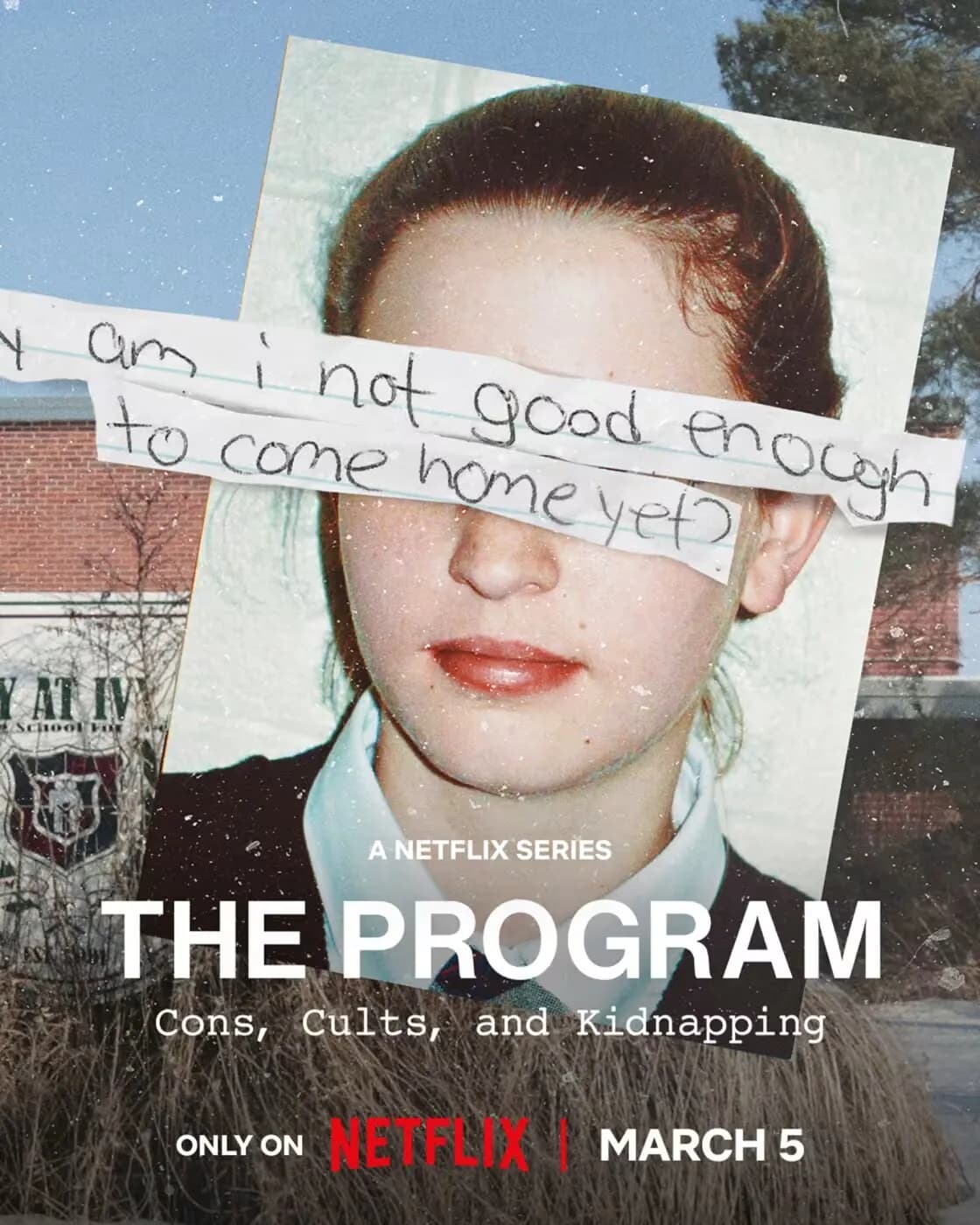
*The Program: Cons, Cults, and Kidnapping* is a Netflix documentary seriesNetflix documentary series about the Academy at Ivy Ridge, a now-closed "troubled-teen" behavior-modification facility in upstate New York, where former students allege they were subjected to years of psychological, physical, and emotional abuse while their parents believed they were receiving therapeutic care. Directed by Katherine Kubler — herself a former student of the school — the three-episode series premiered on March 5, 2024, and quickly became one of Netflix's most-discussed docuseries of the year.
Rather than following a single criminal case to a verdict, the series functions as a sweeping exposé of an entire institutional system: the so-called troubled-teen industry, a loosely regulated network of private boarding schools, wilderness programs, and residential treatment centers that have operated across the United States for decades, largely beyond the reach of standard child-welfare oversight.
---
The Case
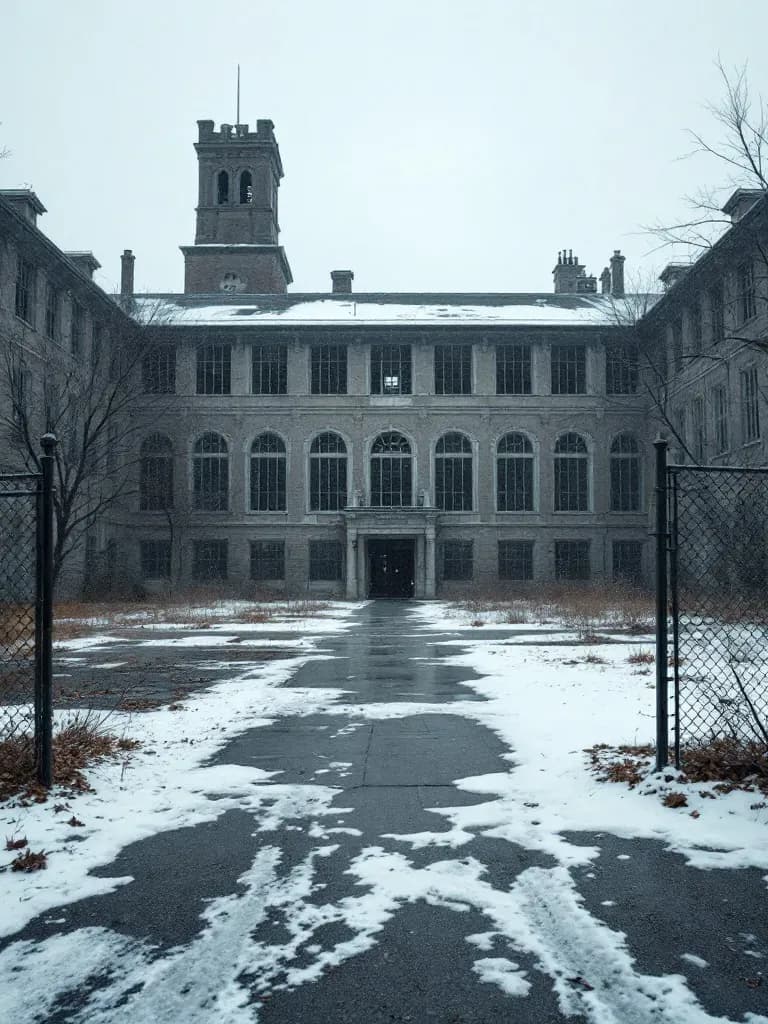
The Academy at Ivy Ridge operated from 2001 to 2009 near Ogdensburg, New York, close to the Canadian border. Parents — often desperate and deceived by polished marketing materials — paid substantial fees to enroll their teenagers, typically around age 15 or 16, believing the facility would provide structured therapy and academic support.
According to former attendees interviewed throughout the series, the reality inside Ivy Ridge was dramatically different. Students describe a regime of coercive control modeled on cult-like obedience structures: a strict behavioral points system that governed every aspect of daily life, enforced silence, solitary confinement, physical restraints, and punishments designed to strip away individual identity and force compliance. Many allege that staff members used humiliation and isolation as routine disciplinary tools, and that students who resisted or attempted to contact their families were subjected to escalating sanctions.
The facility was connected to a broader corporate network linked to Robert Lichfield, identified in reporting as a key figure behind the organizational structure that operated Ivy Ridge and similar institutions. However, as of the series' release and the reporting that followed, no verified criminal conviction or sentencing record for Lichfield or other named individuals has been publicly confirmed in connection with the abuse alleged at Ivy Ridge specifically.
The abuse described by former students encompasses a wide spectrum: psychological manipulation, abusive disciplinary confinement, forced compliance rituals, and allegations of sexual abuse. The facility marketed itself as a legitimate therapeutic boarding school — a framing that former students and advocates for troubled-teen industry reform describe as deliberately deceptive and predatory.
---
Production
What makes The Program structurally unusual among true-crime docuseries is that its director is also its central subject. Katherine Kubler attended the Academy at Ivy Ridge as a teenager and spent years investigating the institution and the broader industry that created it before bringing her findings to Netflix.
This dual role — survivor and filmmaker — gives the series an intimacy that distinguishes it from more conventionally reported documentaries. CNN described the series as a "deeply personal look" at the troubled-teen industry, noting that Kubler's insider perspective shapes both the emotional texture of the storytelling and the nature of the access she was able to secure with other former students.
The three-episode structure allows the series to move between the personal testimonies of former Ivy Ridge attendees, an examination of the corporate and regulatory environment that permitted the school to operate, and a broader critique of how the troubled-teen industry as a whole has evaded accountability. The title's reference to "cons, cults, and kidnapping" reflects the series' argument that the industry employed all three tactics: deceptive marketing directed at parents, cult-like behavioral control systems aimed at students, and what some former attendees describe as the traumatic experience of being transported to these facilities without their consent.
---
Reception
According to Forbes, The Program reached No. 3 on Netflix's global most-watched list and drew over 7 million viewers in its first week — a remarkable performance for a three-episode limited docuseries without a single sensational murder case at its center. The viewership figures underscore a growing audience appetite for documentary content that interrogates institutional abuse rather than focusing exclusively on individual perpetrators.
Critical reception was broadly positive, with reviewers highlighting Kubler's courage in fronting the series as both filmmaker and subject, and praising the documentary's ability to situate Ivy Ridge within the larger context of American for-profit youth programs. The Radio Times noted the series' true-story grounding, emphasizing how the Academy at Ivy Ridge's documented history lent the documentary a factual weight that went beyond personal testimony alone.
The series carries an IMDb title ID of tt31183637, though a verified audience or critic rating score is not available from confirmed sources at time of publication.
---
The Case Today
The release of The Program had measurable real-world consequences. Following the series' premiere, New York law enforcement agencies reportedly initiated a formal investigation into the Academy at Ivy Ridge, prompted by a wave of renewed complaints from former students who came forward after watching the documentary. This development represented a significant shift: despite years of allegations from former attendees, the institution had closed in 2009 without facing criminal prosecution.
As of mid-2024, no charges, indictments, verdicts, or sentencing outcomes in connection with those investigations have been publicly confirmed in verified reporting. The case remains emblematic of a wider legislative and regulatory gap: the troubled-teen industry has historically operated in a space where state licensing requirements are minimal, federal oversight is limited, and the word of minors against institutional authority has been routinely discounted.
Advocates for troubled-teen industry reform have pointed to The Program as evidence that documentary storytelling can serve a prosecutorial function that the legal system has so far failed to fulfil — forcing accountability into public view even when courts have not yet acted. For the former students of Ivy Ridge, the series represents not just a record of what they endured, but an ongoing demand for answers.