The Academy at Ivy Ridge — institutional abuse scandal
Ogdensburg, New York, 2001–2009; civil litigation, no criminal conviction
Published June 3, 2026
Quick Facts
The Case
The Academy at Ivy Ridge case is not a conventional criminal case with a single victim and offender, but rather an institutional abuse scandal involving allegations of systematic mistreatment at a for-profit "behavior modification" boarding school in upstate New York. Founded and operated by Robert Lichfield, the facility functioned from 2001 to 2009 in Ogdensburg, St. Lawrence County, marketing itself to parents as a therapeutic boarding school for troubled teenagers. Unlike traditional criminal cases that result in arrests and prosecutions, this case has primarily been pursued through civil litigation, most notably a federal RICO lawsuit, while generating significant media attention through survivor advocacy and documentary coverage.
The institution operated as part of a broader network of controversial behavior modification programs that proliferated in the United States during the late 1990s and early 2000s. These facilities promised parents solutions for teenagers struggling with behavioral issues, substance abuse, or defiance, but former students have described experiences that amounted to psychological torture, physical abuse, and unlawful confinement. The Academy at Ivy Ridge became one of the most prominent examples of alleged abuses within this largely unregulated industry.
The Institution and Its Operations
The Academy at Ivy Ridge opened its doors in 2001 in Ogdensburg, a small city in northern New York near the Canadian border. Robert Lichfield established the school as a privately owned facility that charged substantial fees to parents seeking intervention for their children. The school employed what it called "behavior modification" techniques, promising to reform troubled youth through a structured program that emphasized discipline and compliance.
Timeline
Academy at Ivy Ridge opens as 'behavior modification' boarding school
The school begins accepting students in Oswegatchie, St. Lawrence County, New York. It operates until 2009.
Academy at Ivy Ridge closes after eight years of operation
The school ceases operations in 2009. Hundreds of former students carry allegations of abuse suffered during their stay.
Netflix documentary triggers renewed attention and official investigation
In March 2024, Netflix releases 'The Program: Cons, Cults, and Kidnapping,' drawing international attention to conditions at Ivy Ridge and prompting a wave of complaints to authorities.
Former Ivy Ridge staff suspended from state psychiatric center
Former staff at the school who work at a state psychiatric center in New York are temporarily suspended from duty while the allegations are reviewed by authorities.
DA Pasqua confirms over 50 complaints and active investigation
St. Lawrence County DA Gary Pasqua states that his office has received over 50 complaints since the documentary's release. The DA and Sheriff's Office launch a formal investigation.
Protest in Ogdensburg: former students demand justice
Former students and community members gather in Ogdensburg in April 2024 to protest and call on authorities to ensure accountability for the alleged abuse.
Former students who have come forward describe a radically different reality than what was marketed to parents. According to survivor testimony featured in media coverage, the school operated on a philosophy designed to "break you to rebuild you," employing methods that many characterize as abusive rather than therapeutic. The program allegedly included isolation, sleep deprivation, forced physical exercise as punishment, and a rigid level system that controlled nearly every aspect of students' daily lives.
Reports indicate that students were subject to constant surveillance, restricted communication with family members, and punitive measures for minor infractions. The facility maintained strict control over information flowing between students and their parents, allegedly presenting a sanitized version of conditions during supervised visits and phone calls. This information asymmetry allowed the institution to continue operating for eight years despite the alleged abuse occurring within its walls.
The Victims
The victims in this case are the former students who attended the Academy at Ivy Ridge during its years of operation. While the exact number of students who passed through the facility is not specified in available records, survivor accounts indicate that dozens, if not hundreds, of teenagers were enrolled over the eight-year period. The available documentation does not provide a complete list of victims by name and age, reflecting both privacy concerns and the diffuse nature of institutional abuse cases.
Former students have described arriving at the facility through various means, with some reporting being transported by escort services in the middle of the night—a practice common in the troubled teen industry. Once enrolled, students allegedly faced conditions that included poor nutrition, inadequate medical care, unauthorized medical procedures, and both physical and sexual abuse. Survivors have reported that the psychological impact of their time at Ivy Ridge has persisted long after the school's closure, with many experiencing post-traumatic stress and difficulty trusting authority figures.
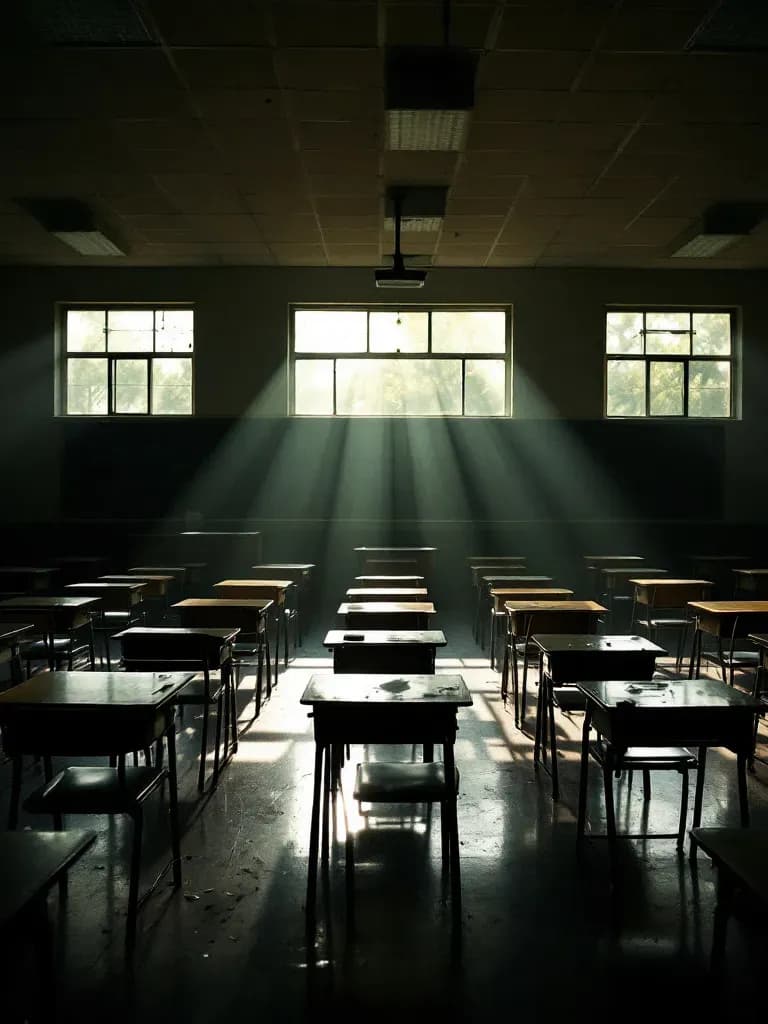
The testimony of these former students forms the primary evidence base for understanding what occurred at the facility. After the school closed, some survivors returned to the abandoned building and recovered files and footage that documented aspects of the program, providing additional corroboration for their accounts.
Investigation and Legal Action
Unlike criminal cases that follow a traditional investigation-arrest-trial sequence, the Academy at Ivy Ridge case has primarily been pursued through civil litigation. The most concrete legal action identified in court records is Dungan et al. v. The Academy at Ivy Ridge et al., a federal civil lawsuit filed in the U.S. District Court for the Northern District of New York under RICO (Racketeer Influenced and Corrupt Organizations Act) statutes.
This civil approach reflects the challenges inherent in prosecuting institutional abuse cases, where authority figures operate within legal gray areas, where victims are minors whose credibility may be questioned due to their designation as "troubled," and where the abuse is distributed across multiple perpetrators and normalized within the institution's culture. The RICO framework allowed plaintiffs to argue that the facility operated as a corrupt enterprise engaged in a pattern of illegal conduct.
The lack of criminal prosecution does not indicate that no crimes occurred, but rather illustrates the systemic barriers to holding institutional actors accountable through the criminal justice system. Behavior modification facilities during this era operated with minimal regulatory oversight, and laws governing the treatment of minors in private residential facilities varied widely by state and were often inadequately enforced.
Outcome and Current Status
The Academy at Ivy Ridge closed its doors in 2009, ending eight years of operation. The available records do not show that criminal charges were filed against Robert Lichfield or other staff members specifically related to Ivy Ridge, though the civil litigation proceeded through federal court. This outcome—institutional closure without criminal conviction—is unfortunately common in cases involving alleged abuse at private residential facilities for youth.
The case has been classified as "partial" rather than fully solved because while the institution no longer operates and civil legal action was taken, the full scope of accountability that survivors sought through potential criminal prosecution was not achieved. The lack of criminal charges means that no individual faced imprisonment or criminal penalties for the alleged abuse, despite extensive testimony from former students.
The case has been characterized as both an abuse scandal and a civil litigation matter, reflecting its hybrid nature as something that falls between conventional crime categories and pure civil disputes. This classification challenges traditional true crime frameworks that focus on individual perpetrators and discrete criminal acts, instead highlighting how institutional structures can enable and perpetuate harm while remaining largely insulated from criminal accountability.
Media Coverage and Public Awareness
The Academy at Ivy Ridge case gained renewed public attention in 2024 with the release of the Netflix documentary series "The Program: Cons, Cults, and Kidnapping." This documentary brought survivor stories to a global audience and contextualized Ivy Ridge within the broader troubled teen industry. The series features interviews with former students, recovered footage from the facility, and analysis of the business model that enabled such institutions to proliferate.
Additionally, the case has been examined in podcast format, allowing for deeper exploration of the institutional dynamics and survivor experiences. This media coverage has served multiple functions: validating the experiences of survivors, educating the public about the troubled teen industry, and potentially contributing to advocacy for stronger regulation of such facilities.
The documentary and related media coverage have also highlighted how former students have become advocates for reform, working to prevent similar abuses at other facilities and seeking accountability through public awareness when legal systems proved inadequate. Their efforts represent an alternative path to justice that operates through cultural rather than strictly legal mechanisms.
Implications and Legacy
The Academy at Ivy Ridge case exemplifies the challenges of addressing institutional abuse within legal frameworks designed primarily for individual criminal acts. It raises questions about parental rights, the regulation of private facilities, the treatment of minors designated as troubled, and the adequacy of oversight mechanisms for institutions that operate with extraordinary control over vulnerable populations.
The case also illustrates how the troubled teen industry has functioned with minimal accountability, often relocating or rebranding when facing scrutiny rather than fundamentally reforming practices. The survival and advocacy of former Ivy Ridge students contribute to ongoing efforts to strengthen regulations, improve transparency, and provide recourse for those harmed by institutional abuse.
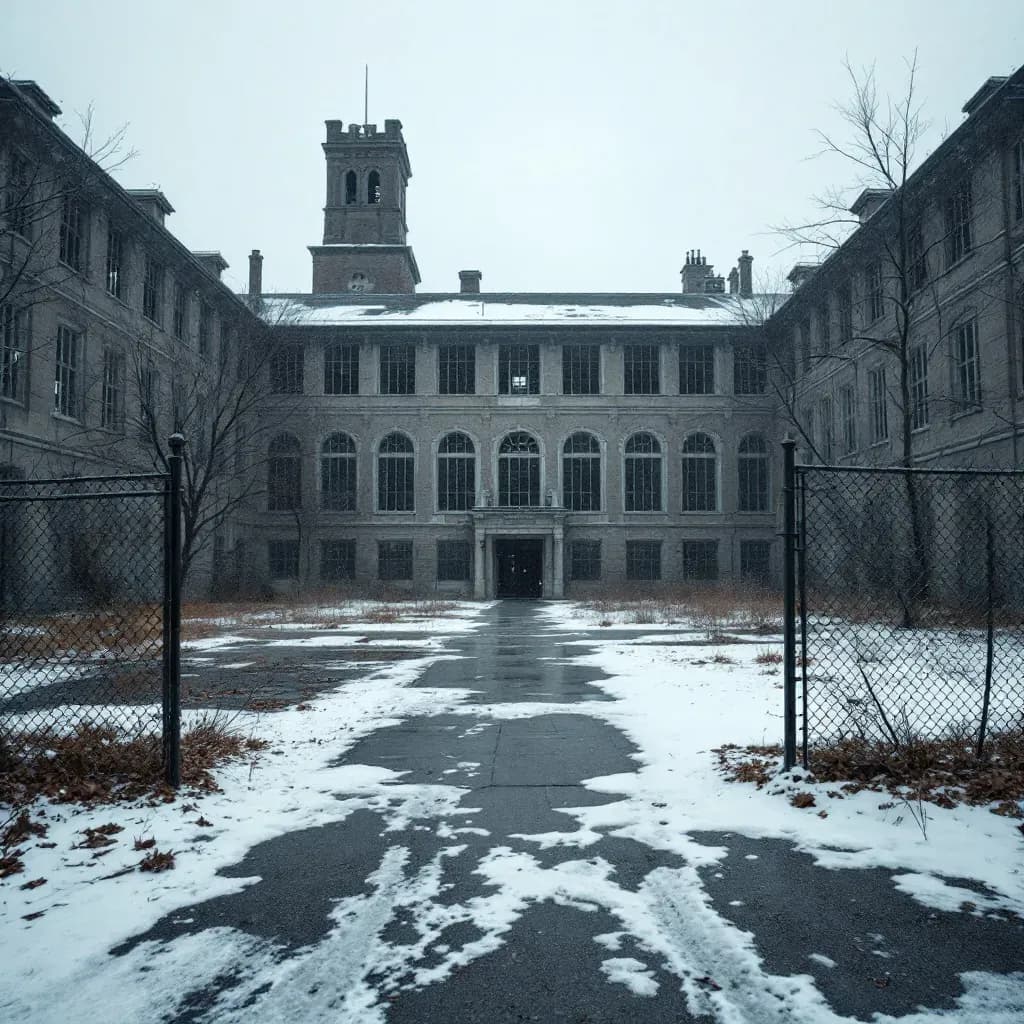
Today, the abandoned Ivy Ridge facility stands as a physical reminder of the institution's operation, while survivors continue to share their stories and advocate for systemic change. The case remains relevant as similar facilities continue to operate across the United States, and as society grapples with how to balance intervention for troubled youth with protection from abuse in the name of treatment.
Media coverage
TV series
- The Program: Cons, Cults, and Kidnapping(2026)
Ask about this case
Answers from KrimiNyt's coverage onlyFollow this case
Get an email when a new documentary, podcast or book about The Academy at Ivy Ridge — institutional abuse scandal appears, or when a verdict is reached.