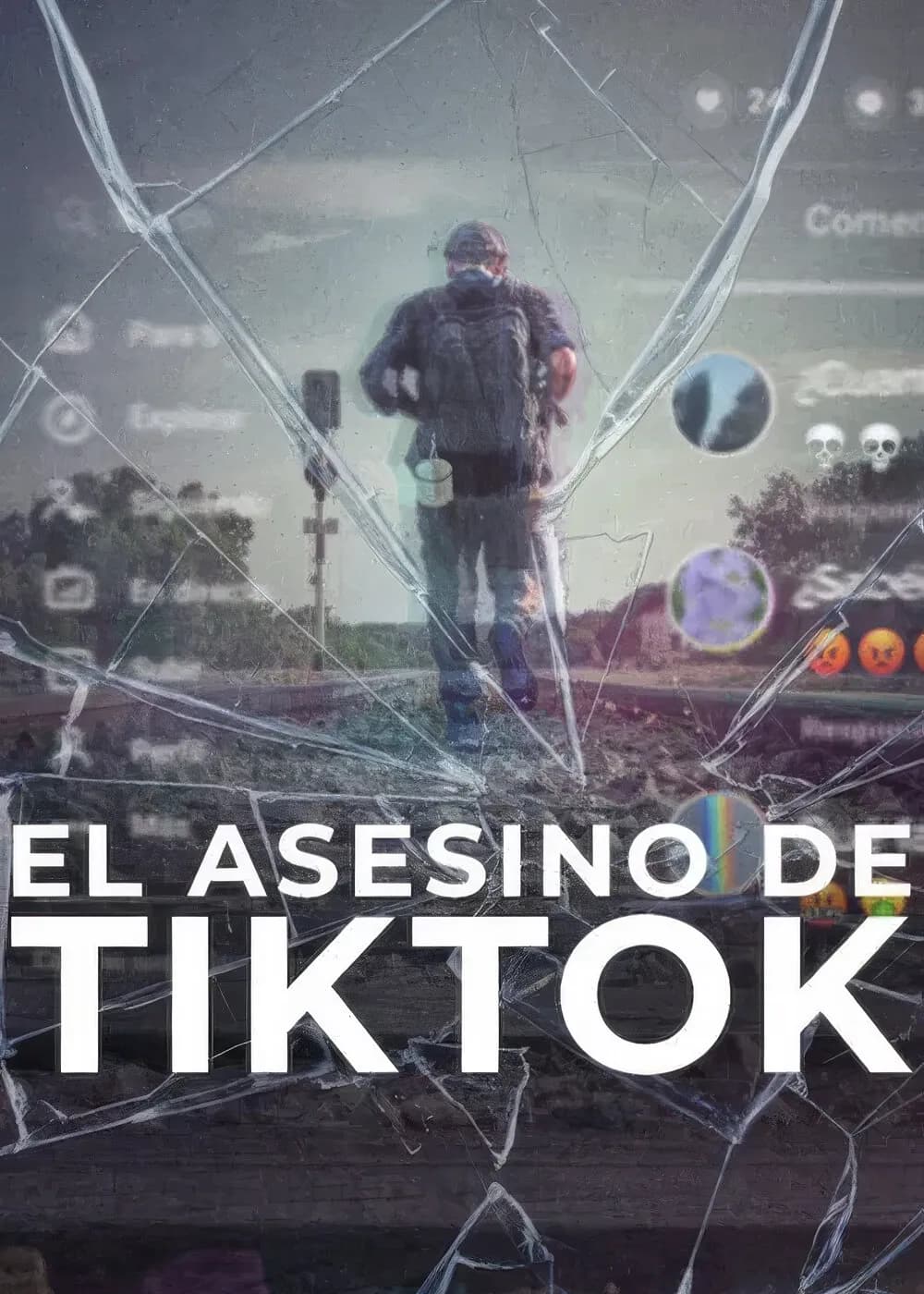
El asesino de TikTok
Netflix, 2026 — the disappearance and murder of Esther Estepa and the digital trail of a convicted serial killer
Quick facts
What Is the Series About?
El asesino de TikTok is a two-part Netflix true-crime documentary directed by Héctor Muniente that premiered on 6 March 2026. The series examines the disappearance and death of Esther Estepa, a 42-year-old Spanish woman who vanished in Gandía, Valencia, in August 2023 after meeting a man she knew through TikTok. That man — José Jurado Montilla, known online and in criminal records as "Dinamita Montilla" — was not a stranger to violence. He had previously been convicted of four murders committed in the 1980s and had served 28 years in prison before building a charismatic public persona on social media. The documentary traces how Estepa's family, Spanish investigators, and digital forensics specialists pieced together her final movements through messages, videos, and geotagged content, ultimately leading to Montilla's arrest in 2024.
The series is one of the most striking examples of how social media has transformed both the commission and investigation of violent crime. Montilla allegedly used his online platform to establish trust with victims while concealing a decades-long history of lethal violence — a dissonance that sits at the moral and narrative center of the documentary.
---
The Case
Esther Estepa disappeared in August 2023 in Gandía, a coastal city in the Valencia region of southeastern Spain. According to reporting by Time, she had encountered Montilla through TikTok while traveling, a platform where he cultivated a visible and apparently affable presence. What followed her disappearance was a desperate search by her family, who used the very same digital tools — messages, social-media posts, and video footage — to reconstruct her last known movements.
Montilla's background made the case particularly alarming once investigators turned their attention to him. In the 1980s, he murdered four people in Spain and was subsequently convicted, serving roughly 28 years before his release. His nickname, "Dinamita Montilla," had been well known in Spanish crime chronicles for decades. Yet upon his release, he apparently reinvented himself as a social-media figure, gaining followers on TikTok without any public disclosure of his violent past.
Police connected Montilla to Estepa's case through digital evidence recovered from his phone, including photographs, messages, and location-tagged content, according to ElDiario and other Spanish outlets. Investigators also linked him to the 2022 murder of a 21-year-old male student, making Estepa potentially his sixth known victim across two different eras of criminal activity.
Allegations of sexual assault are also associated with the broader case, adding another dimension of violence to an already disturbing profile. Estepa's body was discovered in June 2024, nearly ten months after her disappearance. Montilla was arrested in 2024 and placed in preventive detention while authorities prepared formal charges. As of the documentary's 2026 premiere, no trial date had been publicly scheduled, and he remained in custody.
The case resonated widely in Spain and internationally, not only because of Montilla's history, but because it exposed how little accountability exists for formerly convicted violent offenders who build public platforms online — and how little their audiences may know about who they are truly engaging with.
---
Production
El asesino de TikTok was directed by Héctor Muniente, a Spanish filmmaker, and produced for Netflix as a two-episode miniseries. The documentary's structure is built heavily around the digital trail that both connected Montilla to his victims and ultimately helped investigators identify and charge him. According to coverage from Brazilian entertainment outlet Capricho, the production incorporates family testimony, reconstructed timelines, and forensic digital evidence to walk viewers through the investigation step by step.
The series gives particular weight to the role Estepa's family played in the early investigation — their painstaking review of her social-media activity and communications provided investigators with key leads before law enforcement had formally taken up all available digital threads. This human element grounds what might otherwise be an abstract story about online anonymity and digital forensics in the grief and determination of real people searching for a missing woman.
Muniente's direction reportedly balances the procedural aspects of the case with emotional testimony, a combination that has become a hallmark of high-production true-crime documentary work on streaming platforms. The two-episode format, while compact, allows the series to move at pace without sacrificing the complexity of either the criminal history or the investigation.
---
Reception
Since its premiere on 6 March 2026, El asesino de TikTok has been widely described as one of the most talked-about Spanish true-crime releases in recent memory. Coverage across Spanish, Latin American, and international outlets emphasizes the unique convergence of factors that make the case so unsettling: a previously convicted serial killer, a public TikTok persona, a missing woman, and an investigation driven in large part by digital evidence.
As Ciudad.com.ar reported, the series quickly ranked among the most-watched titles on Netflix in its release window. Public reaction has centered on the disturbing contrast between Montilla's online image and his documented criminal past — and on the broader question of how platforms like TikTok can be exploited by individuals with histories of violence.
No verified review aggregator scores or formal critical consensus metrics were available at time of publication. An IMDb listing had not been confirmed in available sources. The absence of a scheduled trial for Montilla has also drawn commentary, with some observers noting the unusual situation of a high-profile documentary airing before the judicial process has concluded.
---
The Case Today
As of early 2026, José Jurado Montilla remains in preventive detention in Spain. Prosecutors have linked him to at least two deaths — that of Esther Estepa and the 2022 murder of a 21-year-old student — and the formal trial process had not yet been scheduled at the time of the documentary's premiere. The case continues to raise questions about the monitoring of previously convicted violent offenders and the responsibilities of social-media platforms when users with serious criminal histories build public audiences.
For Esther Estepa's family, the Netflix documentary represents both a form of public acknowledgment of their search and a platform to ensure that what happened to her is not forgotten while the legal process continues. The digital evidence that helped identify Montilla — and that forms the backbone of the documentary's narrative — remains central to the pending prosecution.