Swedish Ritual Murder: Punk Rock Obsession Turns Deadly
A Mölndal case reveals how a shared fascination with transgressive musician GG Allin escalated into violence—and a landmark Swedish appeals court decision
On a summer evening in July 2022, authorities in Mölndal—a municipality outside Gothenburg in western Sweden—discovered the body of a man in his fifties in circumstances that would baffle investigators and captivate Scandinavian media: the victim was found partially nude with marks on his body, and a tape recorder had been deliberately positioned on the corpse.
The death would eventually be ruled a homicide by asphyxiation, caused by blunt-force trauma to the neck. More striking than the method of killing, however, was what investigators uncovered about the crime scene's staging—and the ideology behind it.
**A Dangerous Meeting**
The perpetrator was identified as Mattias Hägglund, 40, who had encountered his victim by chance at Mölndals Galleria, a local shopping center. The two men discovered a shared obsession: the life and legacy of GG Allin, the American punk rock musician infamous for his transgressive stage performances, self-harm, and anti-social provocations.
Allin, who died of a heroin overdose in 1993, had built a cult following among fringe punk communities for his extreme performances and deliberate violation of social norms. For some devoted followers, he became a symbol of anarchic rebellion. Hägglund appeared to be among those for whom this fascination had deepened into something pathological.
**The Crime Scene as Ritual**
What made this case internationally notable was not merely the violence itself, but how Hägglund had arranged the scene. The crime scene was deliberately staged to resemble a funeral or religious ceremony dedicated to Allin—transforming a murder into a grotesque theatrical performance. This ritualistic element suggested premeditation and a disturbing worldview in which the killing had become inseparable from ideological obsession.
Hägglund was arrested the same evening the body was discovered, with substantial evidence linking him to the death.
**A Striking Legal Reversal**
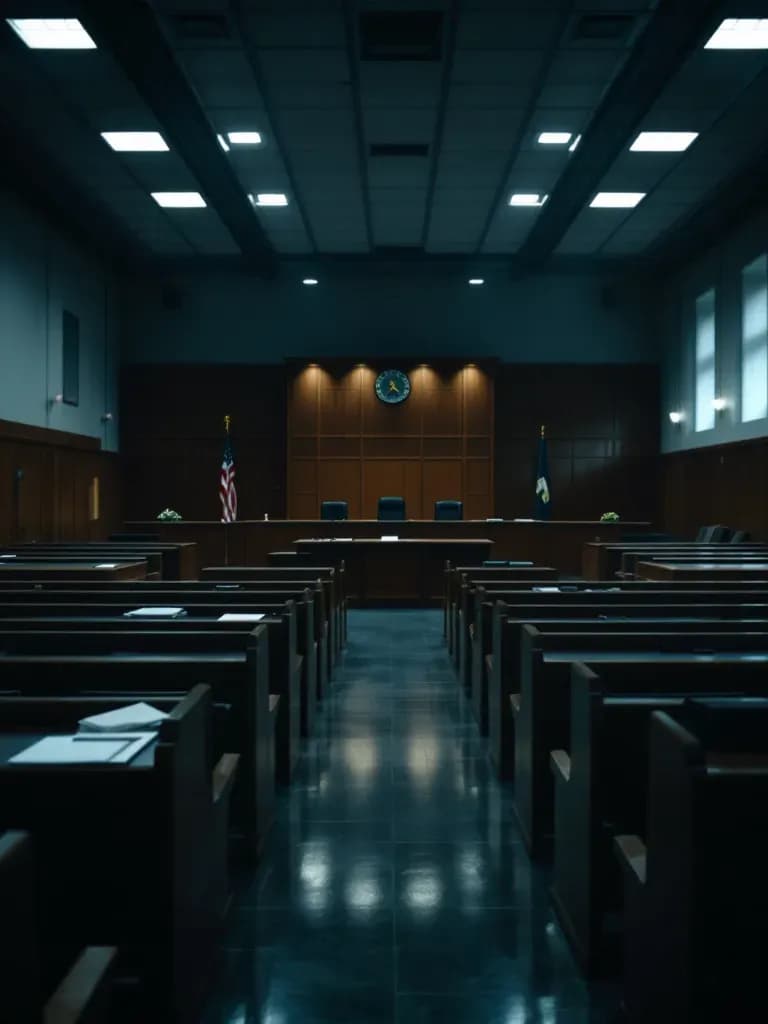
In August 2023, Gothenburg District Court handed down its initial verdict: Hägglund would be sentenced to psychiatric care rather than imprisonment. Under Swedish law, courts can impose compulsory psychiatric treatment instead of prison sentences when a defendant is assessed as suffering from severe mental illness that substantially diminished their criminal culpability.
Yet the case did not end there.
Appellant courts in Sweden—roughly equivalent to the intermediate appellate courts in other jurisdictions—have authority to review both verdicts and sentences. In a marked departure from the district court's judgment, the appeals court fundamentally reassessed Hägglund's case. The court concluded that imprisonment was the appropriate sanction, overturning the psychiatric disposition and imposing an 18-year prison sentence instead.
This reversal is significant within Swedish legal context, where psychiatric treatment is often favored for offenders with documented mental health issues. The appellate decision to prioritize custodial punishment suggested the court found sufficient criminal responsibility and dangerousness to warrant traditional incarceration.
**International Context**
The case illustrates how subcultural obsessions—particularly those centered on figures who deliberately courted transgression and violence—can occasionally intersect with real-world criminal behavior. While GG Allin's influence has occasionally been invoked in media coverage of extreme crimes, such cases remain statistically rare and are not representative of punk culture broadly.
The Mölndal murder has since become the subject of "Svenska fall" (Swedish Cases), a documentary series on Viaplay that examines Scandinavia's most unusual and violent crimes. The episode dedicated to this case runs 42 minutes and carries a rating for viewers aged 15 and above.
For Swedish legal observers, the case demonstrates the appellate process at work: courts reversing lower-court decisions when they determine factual or legal errors have occurred. For international true crime audiences, it represents an unusual intersection of musical fandom, mental health, and violence—a reminder that dangerous ideologies sometimes find adherents for whom admiration transforms into lethal action.