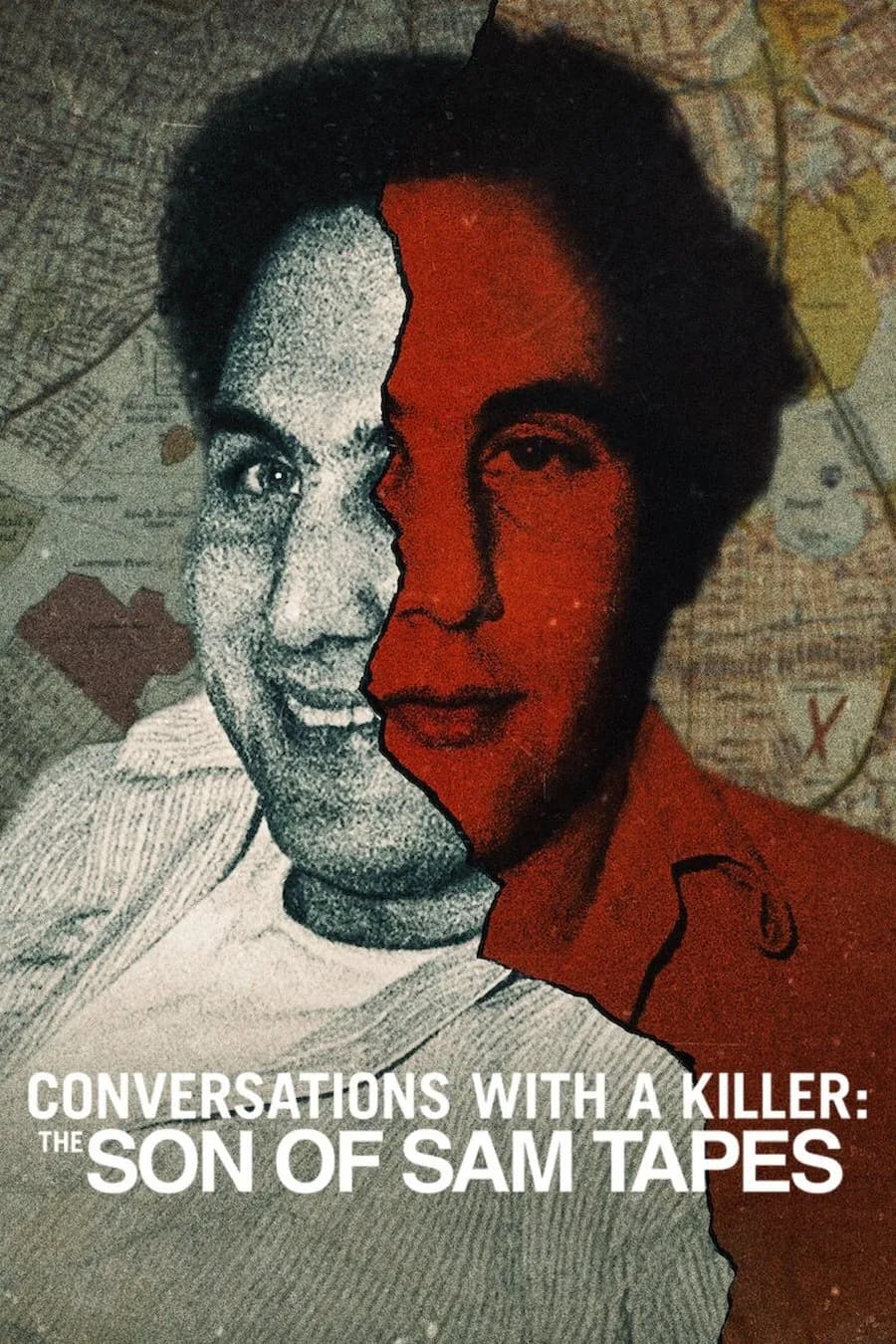
Conversations with a Killer: The Son of Sam Tapes
Netflix, 2025 — David Berkowitz's serial murders that terrorized New York City in 1976–1977
Quick facts
What Is the Series About?
Conversations with a Killer: The Son of Sam Tapes is a Netflix docuseries about David Berkowitz — the serial killer known as "Son of Sam" — who murdered and wounded multiple victims across New York City between July 1976 and July 1977. Directed by Joe Berlinger and released on July 30, 2025, the three-episode series is built around a remarkable piece of archival evidence: previously unheard audio recordings of Berkowitz, captured by journalist Jack Jones during interviews conducted in 1980 at Attica Correctional Facility. According to Netflix's Tudum, the series revisits "the killings that haunted New York" and documents both the NYPD's desperate race to identify and catch the killer and the deeply disturbing inner world Berkowitz reveals on tape.
The Case
The Son of Sam murders represent one of the most terrifying serial crime sprees in American urban history. Between July 1976 and July 1977, David Berkowitz carried out a series of shooting attacks targeting young people — often couples parked in cars — primarily in the boroughs of Brooklyn, Queens, and the Bronx. His victims included Donna Lauria, Virginia Voskerichian, Valentina Suriani, Stacy Moskowitz, and several others who were killed or gravely wounded in the attacks. The case generated extraordinary public panic across New York City, with residents altering their behavior and nightlife visibly declining as the killer remained at large through a sweltering summer.
Berkowitz sent taunting letters to NYPD detectives and to newspaper columnist Jimmy Breslin, signing them "Son of Sam" — a name that would come to define both the killer and the era. The letters were cryptic, menacing, and widely published, amplifying the city's dread. The NYPD mounted what Netflix's trailer describes as "one of the greatest manhunts in New York City history," involving hundreds of detectives and ultimately turning on a parking ticket issued near the scene of a late-stage shooting.
Berkowitz was arrested on July 31, 1977, outside his apartment in Yonkers, New York. He pleaded guilty to the murders and received multiple consecutive life sentences in New York state court. According to Time magazine's coverage of the series, Berkowitz remains incarcerated in a New York state prison to this day, with no prospect of release. He has been denied parole on multiple occasions, reportedly declining even to attend some hearings.
Production
Director Joe Berlinger is no stranger to the intersection of documentary filmmaking and serial-killer mythology. He previously helmed the acclaimed Conversations with a Killer: The Ted Bundy Tapes (2019) and Conversations with a Killer: The John Wayne Gacy Tapes (2022) for Netflix, establishing the franchise format that this Son of Sam installment continues. The series' structural spine — previously unrecorded or unheard audio — is consistent with the franchise's approach of grounding each installment in primary source material that has not entered the public record before.
The centerpiece recordings were made by journalist Jack Jones in 1980 at Attica Correctional Facility, just three years after Berkowitz's conviction. Jones, who later authored the book Forever and a Day: The Art of Confronting Death, gained rare access to Berkowitz at a moment when the killer was still processing — or performing the processing of — his crimes. The tapes reportedly capture Berkowitz in extended, candid conversation about his motivations, mental state, and the killings themselves.
Beyond the Berkowitz recordings, the series incorporates interviews with victims' loved ones, researchers, and former law enforcement officials who worked the original investigation, according to Time's coverage. This multivoiced structure is designed to contextualise Berkowitz's words against the human cost of his crimes and the investigative ordeal the NYPD endured.
Reception
Early critical reception has been notably strong. At the time of the series' launch, Rotten Tomatoes registered a 100% critics score, indicating a consensus among reviewers that the series successfully justifies its existence as more than a rehash of a well-documented case. The hook of the Attica tapes appears to have satisfied critics that the series offers genuine new material.
On IMDb, the series carries a 6.7/10 rating, which — while more modest — is consistent with the general audience pattern for true crime docuseries that deal with extensively covered cases: casual viewers familiar with the Son of Sam story may find less novelty than critics who evaluate the series against the genre's documentary standards.
Netflix leaned heavily into the "previously unheard" angle in its marketing, with the official trailer on YouTube foregrounding the archival recordings and the scale of the 1977 manhunt. The campaign positions the series as revelatory rather than merely retrospective, an approach that appears to have resonated with press coverage in outlets including Time.
No significant public controversy has emerged in the coverage available at launch, though the renewed platforming of Berkowitz's voice — giving him, in effect, a new mass audience nearly five decades after his crimes — is the kind of ethical question that true crime audiences and critics routinely debate. Berkowitz himself has, over the years, claimed religious conversion and expressed remorse; whether those claims are credible or performative is a question the series is well-positioned to interrogate through the unguarded 1980 recordings.
The Case Today
David Berkowitz, now in his seventies, remains imprisoned in New York state. He has been eligible for parole but has repeatedly been denied or has voluntarily waived hearings. He became a born-again Christian in prison and has maintained a public-facing ministry of sorts, though many victims' advocates and survivors view his religious reinvention with deep skepticism.
The Son of Sam case also left a lasting legal legacy: New York State passed the so-called "Son of Sam Law" shortly after Berkowitz's arrest, designed to prevent criminals from profiting financially from accounts of their crimes. The law has been revised multiple times following constitutional challenges.
For the families of the victims — and for the survivors of attacks who were not killed — the Berkowitz tapes and this new docuseries represent yet another moment in which a killer's perspective is amplified. Whether that amplification serves justice, historical understanding, or primarily entertainment is the unresolved tension at the heart of the Conversations with a Killer franchise, and of true crime as a genre.