BritBox Series 'Gone' Explores Music Teacher's Mysterious Disappearance
The BritBox Original draws on the true case of Alana Polly, whose sudden and unexplained disappearance inspired the book 'To Hunt A Killer'
Quick facts
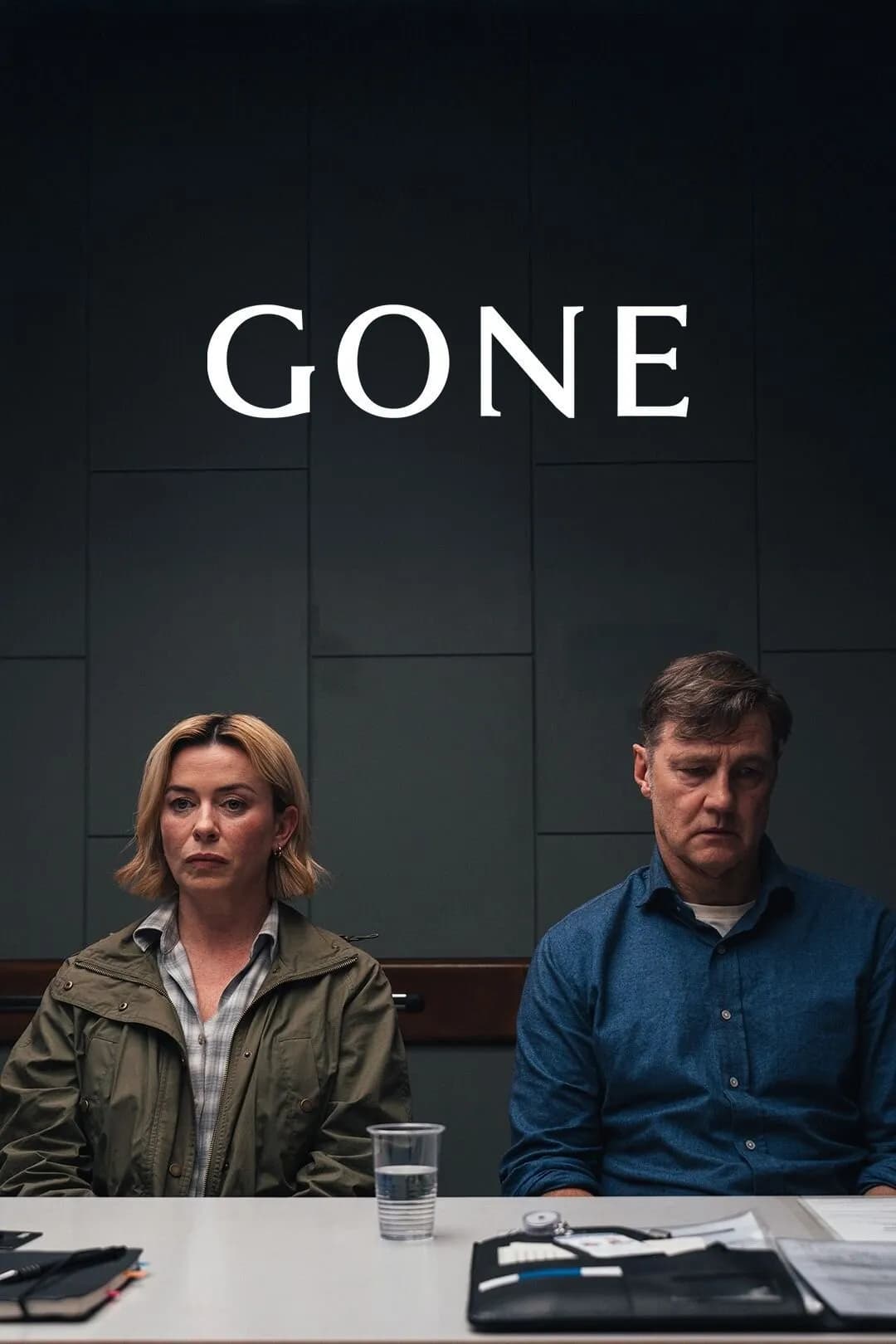
BritBox has released 'Gone', a true crime series based on the real-life disappearance of music teacher Alana Polly, whose sudden and unexplained vanishing inspired Julie Mackayu and Robert Murphy's book To Hunt A Killer. The series follows the investigation led by detective Annie as it attempts to reconstruct what happened to Polly.
A Case That Never Let Go
Disappearance cases hold a special place in the true crime genre precisely because they so rarely deliver the definitive answers that audiences and families desperately seek. Alana Polly's case is no exception. The music teacher vanished without warning, and the investigation that followed became lengthy and complex. It is that complexity which 'Gone' sets out to capture — not merely the crime itself, but the human cost borne by investigators and families when cases drag on without resolution.
British true crime productions have distinguished themselves internationally in recent years through a willingness to linger on the ethical dilemmas embedded in criminal investigations. british true crime 'Gone' appears to follow that tradition by placing detective Annie at the centre of the narrative — not simply as an instrument of justice, but as a human being who carries the weight of the case with her.
From Book to Screen
The foundation for the series is Julie Mackayu and Robert Murphy's book To Hunt A Killer, which documents the investigation into Alana Polly's disappearance. The book belongs to a growing strand of true crime literature in which journalists and authors work closely with investigators and families to map out cases that the official justice system has not necessarily closed.
Adapting the material for television allows the story to breathe, making room for voices that can get lost within a book's linear structure. disappearance cases The question that always hovers over dramatisations of real events is whether they manage to preserve respect for those involved — a concern that is especially pressing when a case remains unsolved.
Why the Series Resonates with International Audiences
At truecrime.news, we cover international disappearance cases closely because they raise universal questions about investigative methods, the limits of the justice system, and the situation of those left behind. 'Gone' on BritBox is a compelling example of how British public service broadcasting tradition meets the global true crime wave.
For audiences familiar with cases of people who vanish without a trace, the series' focus on the human dimension of detective work is likely to strike a chord. international crime cases It is not only the mystery of the disappearance that drives viewers forward — it is the question of what the search does to those who simply cannot give up.
True Crime as Documentary Drama
'Gone' positions itself within a long tradition of British true crime productions that balance drama with documentary rigour. With this series, BritBox has chosen to invest in content rooted in real events rather than pure fiction — a strategy that reflects the enormous international appetite for the genre. The series is yet another sign that streaming platforms are competing fiercely to bring the most gripping real-life stories to screen before their rivals get there first.