Bøgholts Misbrugte Børn
TV 2 Play, 2024 — Documentary series exposing decades of sexual abuse at Danish children's home Bøgholt
Quick facts
What Is the Series About?
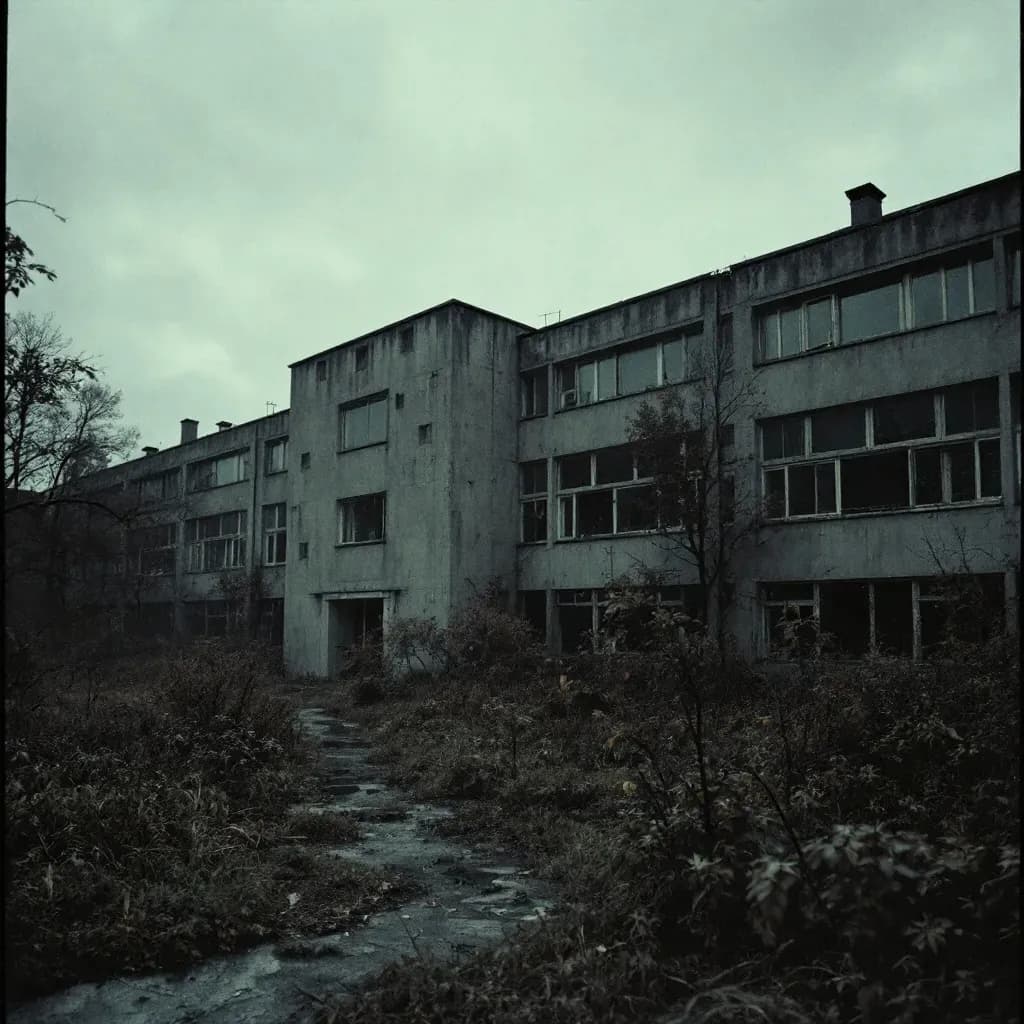
Bøgholts Misbrugte Børn is a three-part documentary series on TV 2 Play that exposes systematic sexual abuse, physical violence, and neglect at the former treatment home and children's institution Bøgholt, located in Viby near Aarhus, Denmark. The series, which premiered on 16 September 2024, centers on the accounts of survivors who were placed at Bøgholt as children and who allege they were subjected to serious abuse by multiple educators at the institution over a period stretching from the late 1970s through the mid-1990s — roughly three decades of alleged institutional harm.
The documentary is not about a single crime or a single perpetrator. It is an investigation into what survivors describe as a systemic failure: a recognized children's home that, according to their accounts, harbored repeated and serious violations against the very children it was supposed to protect.
The Case
Bøgholt operated as a treatment home for children in the Aarhus area for decades. To the outside world it was a recognized institution. But according to TV 2's investigative reporting, a total of 16 former placed children told the newsroom they had been subjected to sexual violations by educators, and 27 sources in total supported the accounts. Ritzau's press material for the documentary stated that sources described abuse committed by as many as seven different educators.
Among the survivors who have gone public are Chikita Jakobsen and Majbritt Uhre, both of whom appear in the documentary and have given testimony about their experiences at Bøgholt. In TV 2's reporting, one survivor recalled lying on a dining table during an assault — an image that became emblematic of the series' most disturbing testimony.
The one perpetrator who has been identified in public reporting — referred to only as "PE" in the available sourcing — was a pædagog (educator) at the institution. He was reported to authorities in the late 1980s and was subsequently convicted of sexual intercourse with a 13-year-old girl and of having sexual intercourse with residents while employed at Bøgholt. His punishment was a suspended sentence of eight months, and he was disqualified from working with girls under 18 indefinitely. No further prison time was served. The full names and current statuses of all other alleged perpetrators have not been made publicly available in the reporting tied to this series.
The crimes alleged cover sexual abuse, sexual violations, physical violence, and neglect of children in care — offenses that, under Danish law as it stood at the time, carried widely criticized lenient penalties, particularly for institutional perpetrators.
A Pattern Hidden for Decades
TV 2 Østjylland's reporting described the case as one of extensive sexual abuse at a children's home that had managed to keep its darkest history hidden for years. The Ritzau press release ahead of the series described Bøgholt as "a recognized children's home that has been hiding a dark secret for years," framing the documentary as the first public reckoning with what survivors had carried privately for decades.
The case connects to a broader Danish reckoning with historic abuse in state and municipal care institutions. While Bøgholt is a distinct case from the institutions covered by the Godhavnsrapporten and similar official inquiries, TV 2's documentary contributed to renewed national attention on how children placed in care were treated during this era and whether institutions, municipalities, and oversight bodies failed to protect them.
Production
The series was produced in connection with TV 2's investigative journalism unit and is distributed exclusively on TV 2 Play. Episode 1 became available on Monday 16 September 2024, with episodes 2 and 3 released on the two following Mondays, completing the three-episode run by early October 2024. The production company Drive Studios is credited with involvement in the project, as noted in their own case documentation for the series.
The director of the series has not been publicly named in the available reporting. The series was built on extensive source work: TV 2 journalists gathered testimony from 27 sources, including the 16 survivors who stated directly that they had been sexually violated by educators at the institution. The approach combined survivor interviews with investigative documentation of the institution's history and the criminal case that did result in a conviction in the late 1980s.
Reception
The documentary generated significant media coverage across Denmark. Se og Hør described the case in stark terms — children raped and neglected — reflecting the gravity with which the Danish press received the series. Kristeligt Dagblad also covered the documentary as a major abuse story.
However, the series was not without controversy. Jyllands-Posten reported that former employees of Bøgholt pushed back strongly against the documentary's portrayal, accusing TV 2 of "karaktermord" — character assassination — and of conducting a "hekseproces" (witch hunt). These former employees disputed the accounts presented in the series, creating a public dispute between the broadcaster and those who worked at the institution.
No verified IMDb rating is available for the series at this time.
The Case Today
The most concrete legal consequence of the documentary's release has been the decision by six former residents to file renewed compensation claims against Aarhus Municipality, according to reporting following the broadcast. This represents a direct legal follow-up to the series and signals that, for at least some survivors, the documentary was not merely a media event but a catalyst for seeking formal acknowledgment and redress.
Whether additional criminal investigations will be reopened — given that many of the alleged offenses are likely time-barred under Danish statute of limitations rules — remains unclear from the available reporting. What is clear is that Bøgholts Misbrugte Børn has forced a public conversation about accountability: for the educators who allegedly committed the abuse, for the institution that housed it, and for the municipal authorities whose oversight failed the children in their care for three decades.